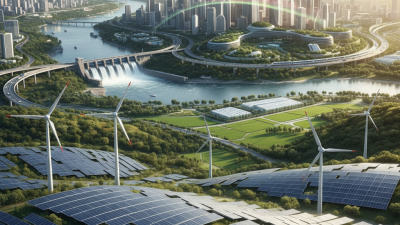
2026 Top Trends in Green Energy Renewable Solutions Why They Matter
As we approach 2026, the landscape of green energy renewable solutions is rapidly evolving. Experts predict innovative technologies will redefine our relationship with energy. Dr. Emily Carter, a leading researcher in sustainable energy, stated, “The future of our planet depends on how we embrace renewable solutions today.” Her words resonate deeply in light of the current climate crisis.
Green energy renewable solutions are not just trends; they are necessities for a sustainable future. Solar, wind, and hydroelectric energy sources are becoming more integrated into everyday life. Communities are now investing in local energy projects, reducing reliance on fossil fuels. However, challenges remain. Many people still hesitate to adopt these technologies. The benefits of green energy are clear, yet the transition is often met with skepticism.
As individuals and organizations strive for more sustainable practices, clarity is needed. Understanding the importance of green energy renewable solutions is essential. The road to a greener future involves not just implementing technology but also addressing societal concerns and misconceptions. We must reflect on our progress and ask: Are we doing enough?
Emerging Technologies in Green Energy for 2026
The energy landscape in 2026 promises to be shaped by emerging technologies in green energy. Innovations like solar energy storage and wind turbine efficiency are at the forefront. A recent report from the International Renewable Energy Agency (IRENA) highlights a potential 20% increase in energy production from these technologies by 2026. As new materials are developed, we can expect improvements in efficiency rates.
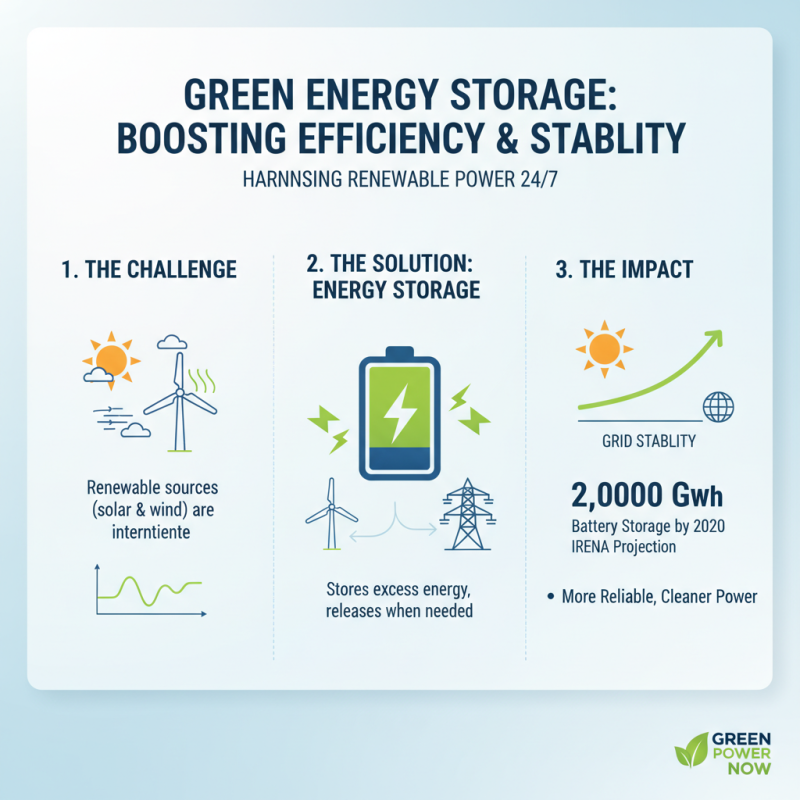
Battery technology is also advancing rapidly. Solid-state batteries could offer higher energy density and longer life, making electric vehicles more viable. The energy storage market is forecasted to reach $21 billion by 2026, according to BloombergNEF. These advancements are critical in addressing the growing global energy demand.
Tip: Stay informed about the latest trends in renewable energy. Engaging with webinars or subscribing to industry reports can provide valuable insights.
Moreover, there are challenges alongside these advancements. Existing infrastructure may struggle to adapt. Not every company is equipped to transition smoothly to new technologies. Transitioning to green energy isn't just about adopting new solutions; it requires a significant mindset shift. This can be an uncomfortable path for many.
Tip: Consider the community aspect in energy transition. Engaging with local stakeholders can help ease this journey and foster collaboration. Embracing technological changes while reflecting on shortcomings is the key to moving forward.
2026 Top Trends in Green Energy Renewable Solutions
This chart illustrates the projected increase in the adoption of various renewable energy sources by 2026. Solar power leads the way with a significant growth projection, followed by wind energy, highlighting the ongoing transition towards greener energy solutions.
Impact of Government Policies on Renewable Energy Adoption
Government policies play a crucial role in the adoption of renewable energy solutions. According to the International Energy Agency, global renewable energy capacity is expected to grow by 50% from 2020 to 2026. This growth is significantly influenced by supportive government frameworks. Countries implementing clear policies often see faster transitions to renewable sources. For instance, tax incentives can enhance residential solar installations. These incentives help families reduce energy costs while increasing grid resilience.
However, not all policies have a positive impact. Some regions struggle with inconsistent regulations. This inconsistency can create confusion for businesses and consumers. A report by the Renewable Energy Policy Network indicates that unclear guidelines may hinder investment. These barriers are significant in attracting necessary capital for renewable projects.
Furthermore, the focus on large-scale projects often overshadows smaller initiatives. Community-based energy solutions have the potential to engage citizens directly. Yet, they frequently lack necessary policy support. Reports suggest that about 30% of potential projects remain untapped due to funding issues. Addressing these challenges is vital to maximize efficiency in renewable energy adoption.
Innovations in Solar and Wind Energy Solutions
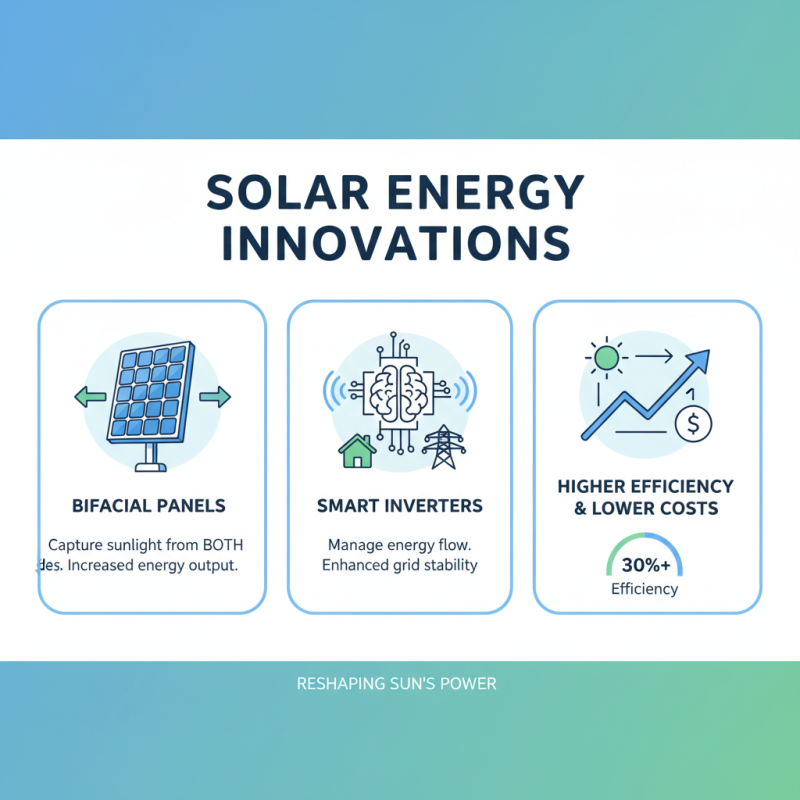
The advancements in solar energy technology are reshaping how we harness the sun's power. New innovations promise higher efficiency at lower costs. Bifacial solar panels capture sunlight from both sides, increasing energy output. Smart inverters manage energy flow, enhancing grid stability.
Wind energy solutions are not far behind. Vertical axis wind turbines offer a unique design for urban environments. They require less space and are quieter than traditional models. Innovative materials are being used, which improve durability and performance. Some designs even allow for easy maintenance.
Challenges remain in these fields. Energy storage solutions lag behind generation technologies. Some energy projects face opposition due to location disputes. Not all communities welcome wind farms or solar installations. Additionally, efficient recycling methods for old panels are still in development. Progress is crucial, but collaboration is needed to overcome these hurdles.
Societal Benefits and Economic Impacts of Renewable Energy Trends
The shift towards renewable energy brings clear societal benefits. People enjoy cleaner air and reduced health risks. Fewer emissions mean fewer respiratory issues. Communities can thrive in healthier environments. Moreover, renewable energy sources promote job creation. There’s a rising demand for skilled workers in solar and wind industries. These jobs can boost local economies significantly.
However, challenges remain. Transitioning to renewable energy requires significant investment upfront. Many regions still lack access to these technologies. This disparity can widen the gap between wealthy and underserved communities. Additionally, power outages can be more common in the initial phases of implementation. As systems are upgraded, reliability may falter temporarily. These issues highlight the need for thoughtful planning and solutions.
Economic impacts also extend beyond immediate job creation. Local businesses benefit from lower energy costs in the long run. Residents see potential savings on utility bills. Yet, some individuals worry about rising taxes to fund green projects. Balancing these factors creates a complex landscape. It calls for careful dialogue among stakeholders to ensure fair progress.
2026 Top Trends in Green Energy Renewable Solutions Why They Matter - Societal Benefits and Economic Impacts of Renewable Energy Trends
| Trend |
Description |
Societal Benefits |
Economic Impacts |
Projected Growth (%) |
| Solar Energy Advancements |
Improved efficiency and integration of solar panels |
Increases in energy independence and lower utility costs |
Job creation in manufacturing and installation sectors |
25% |
| Wind Energy Innovations |
New turbine designs leading to higher efficiency |
Reduction of carbon footprints and air pollution |
Strong maintenance and operational job growth |
20% |
| Energy Storage Solutions |
Advanced batteries improving energy storage capabilities |
Enhancement of grid reliability and resilience |
Lowering energy costs through improved efficiency |
30% |
| Hydrogen Economy Growth |
Utilization of hydrogen as a clean energy source |
Reduced emissions and cleaner industrial processes |
Potential for new markets and job sectors |
35% |
| Smart Grid Technologies |
Integration of digital technology in electrical grids |
Improved energy efficiency and consumer control |
Reduction in operational costs for energy providers |
40% |