Why Choose Aoi Automated Optical Inspection Machine for Quality Control?
In today's manufacturing landscape, quality control is more crucial than ever. Many companies face challenges in maintaining the highest standards. An Aoi Automated Optical Inspection Machine offers a solution to these challenges. This advanced technology enhances product quality by identifying defects quickly and accurately.
Choosing the right inspection system is vital. An Aoi Automated Optical Inspection Machine can significantly reduce human error. It provides reliable data that helps in decision-making. While it streamlines processes, it is important to understand its limits. Not all machines suit every application. Proper calibration and training are essential for optimal performance.
Investing in an Aoi Automated Optical Inspection Machine can lead to increased efficiency and reduced waste. Yet, companies must remain vigilant. Regular maintenance and updates are necessary to sustain its effectiveness. In the dynamic manufacturing environment, relying solely on automated solutions can present risks. A balanced approach, combining technology and human oversight, often yields the best results.
Benefits of Aoi Automated Optical Inspection Machines in QC
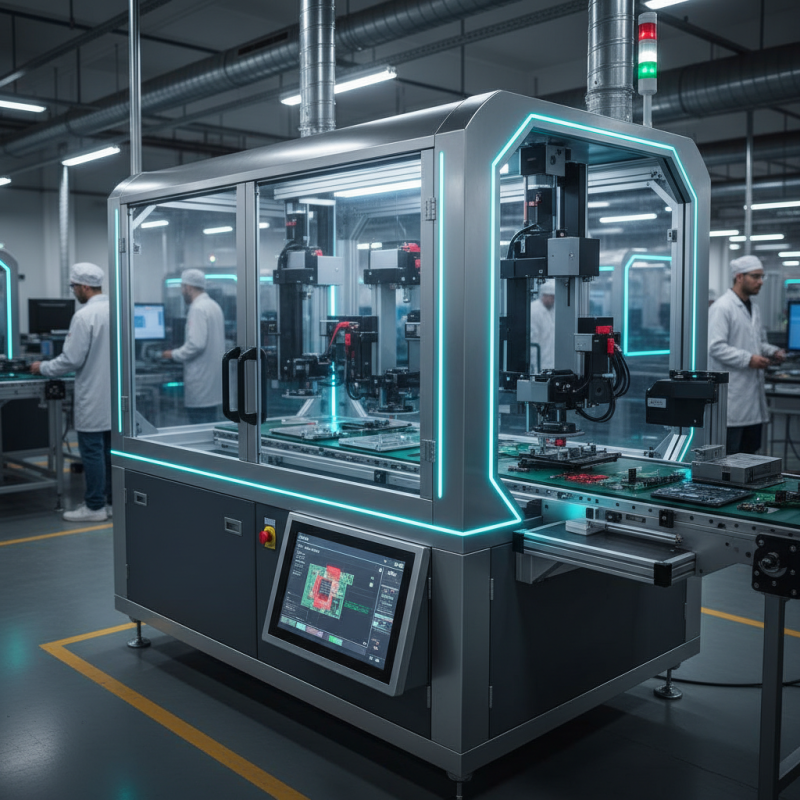
Automated Optical Inspection (AOI) machines are revolutionizing quality control in manufacturing sectors. These machines provide visual inspection capabilities that enhance defect detection. In an industry survey, over 70% of manufacturers reported significant improvements in defect detection rates after implementing AOI technology. This highlights the technology's effectiveness in maintaining high quality standards.
Tips for effective implementation:
Train your team on AOI systems. User familiarity directly impacts inspection accuracy and efficiency. Regular calibration of machines is crucial for maintaining reliability. According to a recent report, companies that frequently calibrate their AOI systems see a 30% reduction in false positives.
Moreover, AOI machines provide real-time feedback. This accelerates decision-making processes. Some studies show that integrating AOI into operations reduces inspection times by up to 50%. However, organizations must assess their specific needs. Not all models are suited for every application. This thoughtful consideration can lead to better outcomes and fewer pitfalls in production quality.
Key Features of Aoi Automated Optical Inspection Technology
Automated Optical Inspection (AOI) machines have revolutionized quality control in manufacturing. These systems utilize advanced imaging technology to inspect components for defects at incredible speeds. A critical report from the IPC (Institute of Printed Circuits) indicates that AOI can reduce inspection times by up to 90%, enhancing overall production efficiency.
Key features of AOI technology include high-resolution cameras, real-time defect detection, and smart algorithms. These elements work together to ensure that every component is scrutinized thoroughly. For example, systems can identify missing components, soldering issues, or alignment discrepancies, which traditional methods might miss. The integration of artificial intelligence in AOI has also improved the accuracy of defect detection by up to 40%, as per recent industry studies.
Tips: Regularly updating inspection algorithms can enhance performance and reliability. Additionally, calibrating cameras properly ensures optimal imaging quality. While AOI machines are powerful, they are not infallible. Some subtle defects can still evade detection, necessitating a human oversight layer for crucial inspections. Regular assessments of the system's effectiveness are essential for maintaining high-quality standards.
Comparative Analysis: Aoi AI vs Traditional QC Methods
Automated Optical Inspection (AOI) machines are becoming essential for quality control in manufacturing. Their efficiency often surpasses traditional quality control (QC) methods. AI-powered AOI systems can detect defects with high precision. They analyze images and data in real-time. This capability provides immediate feedback. Traditional QC methods, while reliable, may lag behind in speed and accuracy. Human inspection is prone to fatigue and oversight.
Quality control is a critical element of production. It ensures products meet safety and performance standards. Traditional methods can sometimes miss subtle defects. Each missed flaw could lead to customer dissatisfaction. In contrast, AI systems continuously learn and adapt. They refine their algorithms to improve inspection processes. However, these systems are not without limitations. Initial implementation can be complex and resource-intensive.
Integrating AOI machines into existing workflows presents challenges. Training staff to operate new technology is necessary. There may be resistance to change as well. Companies must weigh these factors against potential benefits. Consistent quality is paramount in maintaining brand reputation. Striking the right balance between technology and human oversight remains crucial for success.
How Aoi Machines Enhance Efficiency in Quality Control Processes
Automated Optical Inspection (AOI) machines have revolutionized quality control processes in manufacturing. These machines enhance operational efficiency by quickly identifying defects in products. According to a recent industry report, the global AOI market is expected to reach $2.2 billion by 2025. This growth is driven by the increasing demand for high-quality standards in electronics and assembly sectors.
By employing AOI technology, companies can reduce the time spent on manual inspections. Traditional methods often lead to human errors and oversight. Data indicates that implementing AOI systems can improve defect detection rates by up to 30%. This not only elevates product quality but also minimizes waste. A study found that companies deploying AOI machines saw operational costs decrease by 20% within the first year.
However, the integration of AOI machines is not without challenges. Some manufacturers struggle with initial setup and calibration processes. The learning curve can be steep, and sometimes the machines may misinterpret certain surface conditions. Balancing machine efficiency with human oversight is essential. Continuous training and system updates should be prioritized to maximize effectiveness. The future of AOI relies on addressing these imperfections while enhancing reliability and accuracy in quality control.
Real-world Applications of Aoi Automated Optical Inspection in Industry
Automated Optical Inspection (AOI) machines play a crucial role in quality control across various industries. In electronics manufacturing, for example, AOI systems are essential for detecting defects in printed circuit boards (PCBs). These machines use advanced imaging technology to identify issues like misaligned components and soldering problems. This immediate feedback helps prevent defects from progressing further down the production line.
In the automotive industry, AOI is utilized to ensure safety and reliability. Each component must meet stringent standards. AOI machines inspect parts for any visible flaws, such as scratches or dimensional inaccuracies. This process is vital, as even minor defects can lead to serious safety risks. Implementing AOI not only enhances quality but also improves efficiency, reducing costs associated with rework.
Despite the advantages, there are challenges with AOI technology. The initial setup requires time and expertise. Calibrating the system for different products can also be complex. Additionally, incorrect settings can lead to missed defects or false alarms. Continuous training and improvement of inspection criteria are necessary. Regular updates ensure that the system adapts to evolving manufacturing standards, maintaining reliability and accuracy in quality control processes.
Why Choose Aoi Automated Optical Inspection Machine for Quality Control?
| Application Area | Key Benefits | Common Defects Detected | Industry Examples |
| Electronics Manufacturing | Reduced defects, increased yield | Soldering issues, misplaced components | Smartphones, computers |
| Automotive Industry | Enhanced safety, process efficiency | Wiring errors, circuit issue | Car electronics, sensors |
| Medical Devices | Compliance with regulations, reliability | Insufficient solder, missing parts | Surgical instruments, diagnostic devices |
| Consumer Goods | Cost efficiency, market competitiveness | Visual defects, assembly errors | Home appliances, personal care products |