Why is Your Bathtub Drain Clogged and How to Fix It?
When it comes to maintaining a functional home, understanding your Bathtub Drain is essential. According to plumbing expert Sarah Johnson, “A smoothly flowing bathtub drain is foundational to a comfortable bathroom experience.” Yet, many homeowners face the frustration of clogs and slow drainage.
Common culprits include hair, soap residue, and mineral buildup. Over time, these factors create blockages that can lead to a backup. You may notice strange odors or slow water flow, both warning signs demanding your attention. Regular inspection and maintenance of your bathtub drain can save you time and money in the long run.
Dealing with a clogged drain can be disheartening. Often, people overlook minor signs until they escalate into major issues. A proactive approach is crucial, as neglect can lead to costly repairs down the road. Understanding these dynamics helps ensure your bathtub drain remains clear and functional.
Common Causes of Bathtub Drain Clogs
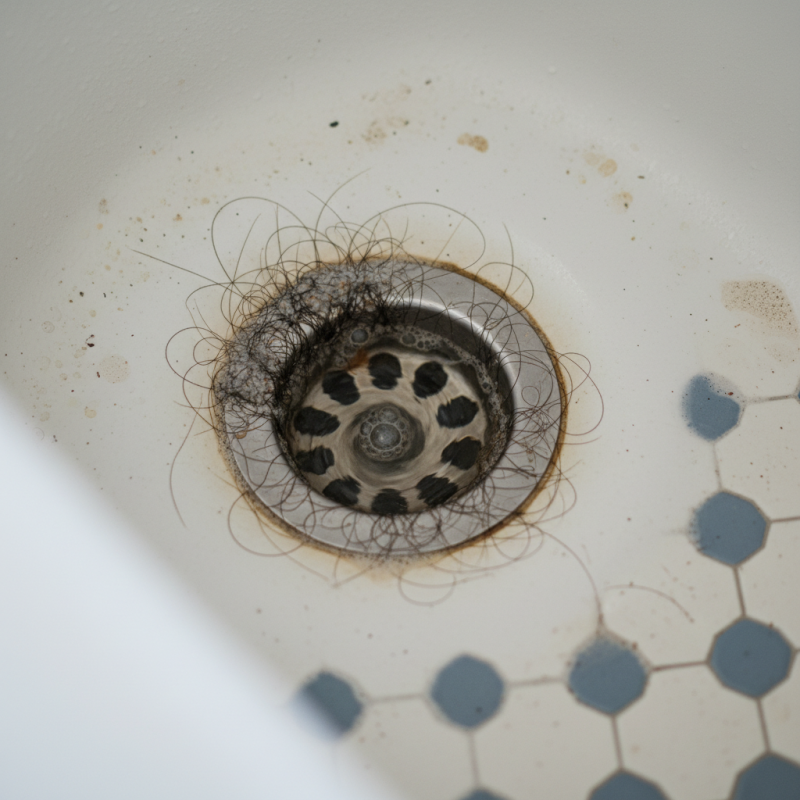
Bathtub drains can easily become clogged, often frustrating homeowners. Hair is one of the most common culprits. When washing, strands of hair can accumulate in the drain. Over time, this buildup creates a barrier that slows down water flow. In addition, soap scum and grime can combine with the hair, making the problem even worse.
Another frequent cause of clogs is mineral buildup. Hard water can deposit minerals in the pipes, leading to narrowing. This can significantly restrict water flow, contributing to backups. Furthermore, foreign objects sometimes find their way into the drain. Items like toys, cotton swabs, or small toiletries can block the passage, causing water to drain slowly or even stop altogether.
To address these issues, regular maintenance can prove helpful. Cleaning the drain cover periodically prevents hair from entering. Additionally, using a mixture of vinegar and baking soda can help break down soap scum and mineral deposits. Ensuring you remove any visible debris after baths is essential too. Ignoring these tasks can lead to bigger plumbing problems down the line. Don't underestimate how quickly a small issue can escalate into a significant annoyance.
Signs That Your Bathtub Drain is Clogged
A clogged bathtub drain is frustrating. You may notice water pooling around your feet while showering. This is one of the clearest signs of trouble. Slow drainage can also signal a problem. If you experience gurgling sounds, your drain needs attention. These sounds indicate that air is trapped in the plumbing.
Hair and soap residue often accumulate in drains over time. You might see visible clumps in the drain. A foul smell can also arise, hinting at stagnant water. If you notice any of these signs, it's best to act quickly. Delaying repairs might worsen the problem, leading to more costly solutions.
Inspecting your drain regularly helps catch clogs early. Use a drain strainer to minimize debris entering the pipes. Regular maintenance can save you time and stress. If you’re unsure about the condition of your drain, consulting a plumbing professional is wise. They have the expertise to identify and solve the issue effectively.
Step-by-Step Guide to Unclogging Your Bathtub Drain
A clogged bathtub drain can be a common nuisance. Hair, soap scum, and debris often build up over time. These materials can cause water to drain slowly or not at all. Addressing this issue quickly can prevent more serious plumbing problems later on.
To unclog your bathtub drain, start with a simple plunger. Ensure there's enough water in the tub to cover the plunger's cup. Firmly push the plunger down and pull it back sharply. Repeat this a few times. If the blockage isn't resolved, a drain snake may help. This tool can reach deeper into the pipes to break apart clogs.
If these methods fail, consider a mixture of baking soda and vinegar. Pour half a cup of each into the drain. Allow it to fizz for 30 minutes, then flush with hot water. This solution can dissolve minor clogs. Remember, not every method works for every clog. Patience and persistence are key in unclogging your bathtub drain effectively. Be careful not to damage your pipes in the process.
Preventive Measures to Avoid Future Clogs
A clogged bathtub drain can be a common yet frustrating issue. To prevent this from happening, proper maintenance is key. Keep hair and soap scum from entering the drain by using a drain cover. This simple step can save you from hours of frustration.
Regularly clean your drain to prevent buildup. You can do this by pouring hot water down every week. A mixture of baking soda and vinegar is also effective for clearing minor clogs. Allow it to sit for a few minutes before rinsing with hot water. This method not only keeps your drain clear but also avoids harsh chemicals.
Consider your bathing habits, too. If you notice a lot of hair or debris, try to clean it immediately. Regular checks can catch small issues before they become big problems. Sometimes, it's easy to overlook the little things that lead to bigger troubles. Taking a few minutes to maintain your drain can make all the difference.
Reasons for Bathtub Drain Clogs
When to Call a Professional Plumber for Drain Issues
Clogged bathtub drains can be a persistent issue, often caused by hair, soap scum, and debris. When minor blockages occur, many homeowners attempt to resolve them with DIY methods. However, knowing when to call a professional plumber is crucial for effective and lasting repairs.
If you find yourself constantly dealing with a slow drain or recurring clogs, it may signal a deeper problem. When DIY methods such as plunging or using a drain snake fail, it’s time to invite an expert. Professionals have the tools and experience to diagnose and fix complex issues. They can quickly identify if the problem is a buildup, pipe damage, or tree roots infiltrating your plumbing.
Tips for dealing with drain issues: Regular maintenance can prevent clogs. Use hair catchers in your drain to reduce debris buildup. Additionally, consider using a mixture of baking soda and vinegar monthly to keep pipes clear. Always listen to your instincts; if your DIY solutions aren’t working, don't hesitate to reach out to a plumber. Taking prompt action can save you from more extensive and costly repairs in the future.