2026 Best Ev Charger Car Options for Electric Vehicle Owners?
As the electric vehicle market continues to grow, the demand for efficient charging solutions becomes crucial for Ev Charger Car owners. According to industry statistics, there will be over 30 million electric vehicles on the road by 2026. This surge highlights the necessity for accessible charging infrastructure. Industry expert Dr. Emily Yates notes, "The future of driving depends on the availability and convenience of EV charging."
Choosing the right EV Charger Car is more than just a decision; it reflects a commitment to sustainability. Car owners face challenges such as varying charging speeds and installation costs. With numerous options available, selecting the best charger can be overwhelming. A study by GreenTech Research reveals that 47% of electric vehicle owners express uncertainty about charger compatibility with their vehicles.
While advancements in technology promise improvements, there remain gaps in the charging network. Some urban areas lack sufficient charging points. Furthermore, the initial costs of EV chargers can deter potential buyers. It is essential to navigate these barriers wisely and consider not just the vehicle, but also the charging solutions available for a seamless driving experience.
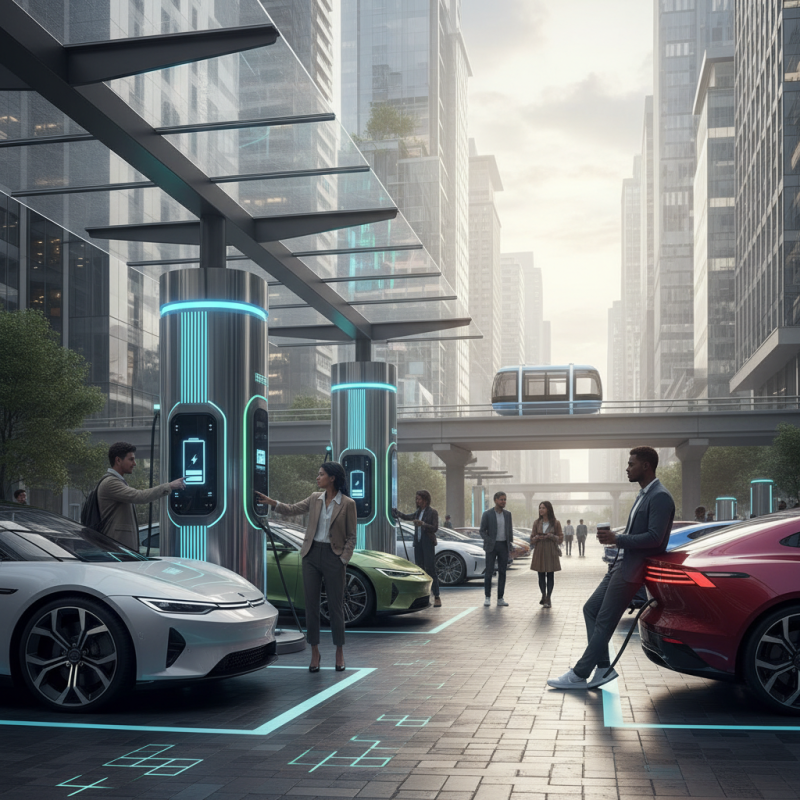
Best Electric Vehicle Charger Types for 2026
As electric vehicles continue to grow in popularity, choosing the right charger becomes essential. In 2026, various charger types cater to different needs. Level 1 chargers are the most basic option. They use a standard household outlet and are easy to set up. However, the charging speed is slow. Many might find it insufficient for daily use.
On the other hand, Level 2 chargers provide faster charging. These units require a dedicated circuit but can replenish batteries significantly quicker. Home installation options are widely available. For those who need to charge on the go, DC fast chargers offer the quickest method. They can restore up to 80% of a battery in under 30 minutes. However, public infrastructure may be inconsistent, leading to potential challenges.
Considering the best charger type depends on individual circumstances. Users should evaluate their driving habits, home setup, and access to charging stations. Each option has its pros and cons. While some may prefer the convenience of home charging, others might need the speed of fast charging stations. Understanding these factors is crucial for efficient electric vehicle ownership.
Key Features to Consider in EV Chargers
When considering an EV charger, several key features stand out. Charging speed is crucial. Some chargers can provide a full charge in just a few hours, while others may take longer. Fast charging can help reduce downtime. Compatibility is also important. Not every charger works with every vehicle model, so it's vital to check specifications.
Another aspect to consider is the charger’s installation. Wall-mounted chargers may save space, but require professional setup. Alternatively, portable chargers offer flexibility but can be less powerful. Additionally, look at safety features. Overcurrent protection and temperature controls can prevent overheating and hazards. A user-friendly interface can make setting up and monitoring easier.
The cost of the charger should also be reflected upon. Some may seem affordable but can incur high installation fees. Moreover, evaluate warranty options. A good warranty can protect against defects and provide peace of mind. Finally, community reviews often highlight real experiences. Reading feedback can provide a clearer picture of charger performance. Not every choice will meet expectations, and reviewing options can help in making informed decisions.
Top EV Charger Brands and Models for 2026
As electric vehicles gain popularity, finding the right EV charger becomes essential for seamless driving. Many factors influence the best choice. Style, compatibility, and charging speed are critical considerations. Some chargers offer smart features that allow monitoring from mobile apps. This capability is particularly useful for tracking energy consumption.
In 2026, diverse designs and functionalities will be available. Several brands focus on rapid charging, making EVs ready for the road in no time. Some models even boast solar integration, which can help owners reduce their carbon footprint. However, it’s essential to research compatibility with your vehicle. Not all chargers work perfectly with every model.
The landscape of EV chargers is evolving quickly. While many options are excellent, occasional disappointments occur. Some users experience charging inefficiencies. Others face connectivity issues with smart chargers. A charger that seems perfect might not suit everyone’s needs. Therefore, reflect on personal requirements and investigate options thoroughly before making a decision.
2026 Best Ev Charger Car Options for Electric Vehicle Owners
| Charging Type | Max Charging Power (kW) | Charging Time (0-100%) | Smart Features | Price Range ($) |
| Level 1 | 1.4 | 12-24 hours | Basic Scheduling | 300-600 |
| Level 2 | 7.2 | 4-8 hours | Wi-Fi Connectivity | 500-1,200 |
| DC Fast Charging | 50-150 | 30-60 minutes | Mobile App Control | 10,000-40,000 |
| Home Charger | 9.6 | 5-10 hours | Energy Monitoring | 600-1,500 |
Pricing and Installation Insights for Electric Vehicle Chargers
The journey of choosing an electric vehicle charger often begins with understanding pricing. The cost of chargers varies greatly, depending on features and installation complexities. Basic home chargers can start at a few hundred dollars. More advanced models, which offer faster charging, can reach thousands. Installation costs also vary and may require professional help.
Tips: Always get multiple quotes for installation services. This helps you compare and find the best deal. Don’t forget the electrical upgrades that may be needed. Sometimes these can add unexpected costs.
As you plan your installation, consider your home’s electrical capacity. Some homes may need upgrades to handle the added load. If your infrastructure is outdated, you might face delays. Patience is key, as getting this right is crucial for long-term benefits.
Tips: Check local regulations or permits required for installation. It’s wise to be informed to avoid surprises. Also, think about potential future needs. An upgrade today may save you time later. Planning ahead can make a significant difference.
2026 Best EV Charger Car Options for Electric Vehicle Owners
Future Trends in EV Charging Technology and Infrastructure
The future of EV charging technology is evolving rapidly. As more electric vehicles hit the roads, charging infrastructure must grow. Innovative solutions like ultra-fast chargers will soon emerge. These chargers can power a car in under 30 minutes. That’s a game changer for busy drivers.
Another exciting trend is wireless charging. Imagine simply parking your car and having it charge automatically. This technology may seem distant, but it’s closer than we think. It could help reduce the need for complicated cables and connectors, making charging more convenient.
Tips for EV owners:
- Make sure to keep your charging cable in good condition. Inspect it regularly for any wear or damage.
- Don’t forget to check local charging stations before a long trip. Planning ahead can save time.
- Consider home charging options if you don’t already have one. It can simplify your routine.