Top 5 Best EV Charger Wall Plugs of 2026 for Home Use?
In the rapidly evolving world of electric vehicles, choosing the right Ev Charger Wall Plug for home use is crucial. Industry expert Sarah Thompson states, "A reliable charger can enhance your EV experience significantly." With 2026 around the corner, homeowners must consider various options for their charging needs.
The market is flooded with different EV Charger Wall Plugs. Some are more efficient, while others might lack essential features. Consumers often face challenges in identifying which models provide value for money. Proper research can streamline this process and ensure a wise investment.
Many aspects of an EV Charger Wall Plug require reflection. For instance, compatibility with various EV models is vital. Additionally, safety features like surge protection should not be overlooked. Homeowners might feel overwhelmed by the choices available. Yet, understanding the key specifications can lead to an informed decision.
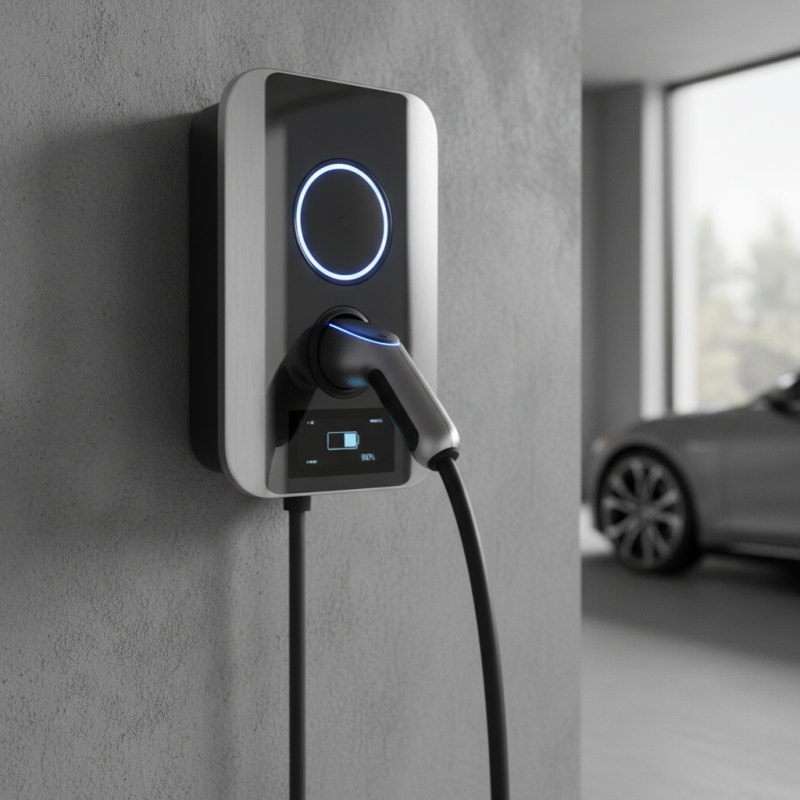
Key Features to Consider in EV Charger Wall Plugs for Home Use
When selecting EV charger wall plugs for home use, several key features stand out. Charging speed is critical. According to industry data, Level 2 chargers can deliver up to 25 miles of range per hour. This speed significantly reduces downtime for electric vehicle owners. Homeowners should consider how quickly they need to charge their vehicles, especially for daily commutes.
Another vital feature is installation flexibility. Many chargers cannot fit in tight spaces. A wall plug that accommodates various installation types provides more options. For example, chargers with adjustable mounting brackets make positioning easy. Also, the power output must meet individual vehicle requirements. Some cars need more power for optimal charging. A compatible charger ensures the battery charges efficiently without risk of damage.
Safety features mustn't be overlooked. Reports indicate that 30% of EV-related incidents come from faulty charging equipment. Look for wall plugs with built-in safety mechanisms. Surge protection and temperature monitoring can prevent overloads. While these features may increase initial costs, they offer peace of mind. Homeowners often reflect on the long-term investment rather than immediate expenses. Choosing the right wall plug means considering not just current needs but future developments in EV technology.
Top 5 EV Charger Wall Plugs of 2026: Detailed Reviews and Comparisons
As the adoption of electric vehicles (EVs) accelerates, home charging solutions gain significant attention. In 2026, the demand for efficient EV charger wall plugs is projected to increase by over 35%. These devices not only streamline charging but also enhance user convenience. The right wall plug can reduce charging times dramatically and provide robust safety features.
Moreover, recent surveys indicate that homeowners prioritize ease of installation and cost-effectiveness when selecting wall plugs. The industry report shows that 60% of users prefer chargers that integrate seamlessly with existing power systems. However, some consumers voice concerns about the complexity of technical specifications. Many wall plugs offer varying power outputs, which can be overwhelming.
In terms of efficiency, a well-designed wall plug can save users over $300 annually in energy costs. Yet, not every option delivers on this promise. Frequent complaints arise about compatibility issues and warranty limitations. Users must be cautious and consider their specific vehicle needs. The market is expanding rapidly, yet quality control remains critical. As standards evolve, consumers should stay updated on the latest developments in EV charging technology.
Top 5 EV Charger Wall Plugs of 2026
| Model | Charging Speed | Power Output | Smart Features | Price |
| Model A | Up to 11 kW | 22 kW | WiFi, App Control | $499 |
| Model B | Up to 7 kW | 7.2 kW | Bluetooth, Timer | $399 |
| Model C | Up to 22 kW | 22 kW | App Control, Voice Control | $599 |
| Model D | Up to 11 kW | 11 kW | Smart Scheduling | $349 |
| Model E | Up to 5 kW | 5.8 kW | Energy Monitoring | $249 |
Installation Requirements and Considerations for Home EV Chargers
When considering an EV charger for home use, installation is key. A report from the Electric Vehicle Infrastructure Coalition highlights that nearly 50% of homes lack the electrical capacity for high-speed charging. Proper assessment is crucial. You might need an upgrade to your electrical panel. This series of adjustments, though potentially costly, can improve your charging experience significantly.
Placement matters, too. Ideally, the charger should be close to your parking space. Over 60% of users prefer wall plugs located in their garage or driveway. Outdoor installations require weatherproof enclosures, adding to the complexity. Conducting a site survey can pinpoint your needs. Think about access to your home’s internet for smart charging features—these can optimize your charging times based on utility rates.
Always remember local codes. Some regions demand permits for installations, which can cause delays. Further, not all electricians are experienced with EV chargers. It’s vital to choose someone knowledgeable in this specialty. Balancing cost, convenience, and safety is often challenging but essential for a worry-free charging experience at home.
Cost Analysis: Pricing and Value of the Best EV Charger Wall Plugs
When considering the best EV charger wall plugs for home use in 2026, cost plays a pivotal role. Prices vary widely among models. Most chargers range from $300 to $800. Installation fees may add another $200 to $500. Understanding the total cost is essential for making a smart investment.
It's vital to evaluate what features you need. Some chargers have faster charging speeds. Others offer smart capabilities, like app control and monitoring. While these features are appealing, they may not fit everyone's budget. Consider your daily driving habits. If you typically charge overnight, a basic model might suffice.
Tips: Always check for local incentives. Some areas offer rebates for installing EV chargers. This can significantly reduce initial costs. Additionally, factor in long-term savings from using an EV. While the charger may seem expensive upfront, its efficiencies could pay off over time. Choose wisely, considering both immediate and future needs.
Future Trends in EV Charging Technology for Home Use in 2026
The future of EV charging at home looks exciting. In 2026, advancements will transform how we power our electric vehicles. Expect more user-friendly designs. These chargers will blend seamlessly into our homes. Wall plugs are becoming smart, adapting to user habits.
Integration with home energy management systems is key. This means chargers will optimize energy use. They’ll communicate with solar panels and battery storage. This will reduce costs and enhance efficiency. However, the technology will require updates. Homeowners need to be prepared for sporadic issues. Software glitches might disrupt charging.
Innovative features will emerge as well. Charge scheduling could help manage energy loads during peak hours. Smart notifications will remind users about charging status. However, these advancements come with concerns about reliability. Users might face education gaps in understanding new technology. Despite potential challenges, the future of home EV charging is promising.