Best Imitation Silk Fabric Suppliers in China for Global Buyers?
In the realm of fashion and textiles, the demand for high-quality Imitation Silk Fabric continues to rise. Dr. Emily Chen, a renowned expert in textile science, once stated, "The right fabric can transform a design, and imitation silk fabric stands out as a versatile option." This highlights the vital role imitation silk plays in modern textile applications.
China has emerged as a leading supplier of imitation silk fabric, catering to global buyers seeking elegance and affordability. With various textures and colors, this fabric offers an impressive range of possibilities for designers. However, not all suppliers maintain the same standard of quality. Buyers must exercise caution and research potential suppliers thoroughly.
While some manufacturers promise the best, fluctuations in quality can be an issue. It’s crucial to communicate effectively and request samples before making bulk orders. Establishing relationships with trusted suppliers can also mitigate risks. Ultimately, finding reliable imitation silk fabric suppliers requires diligence and a discerning eye for quality.
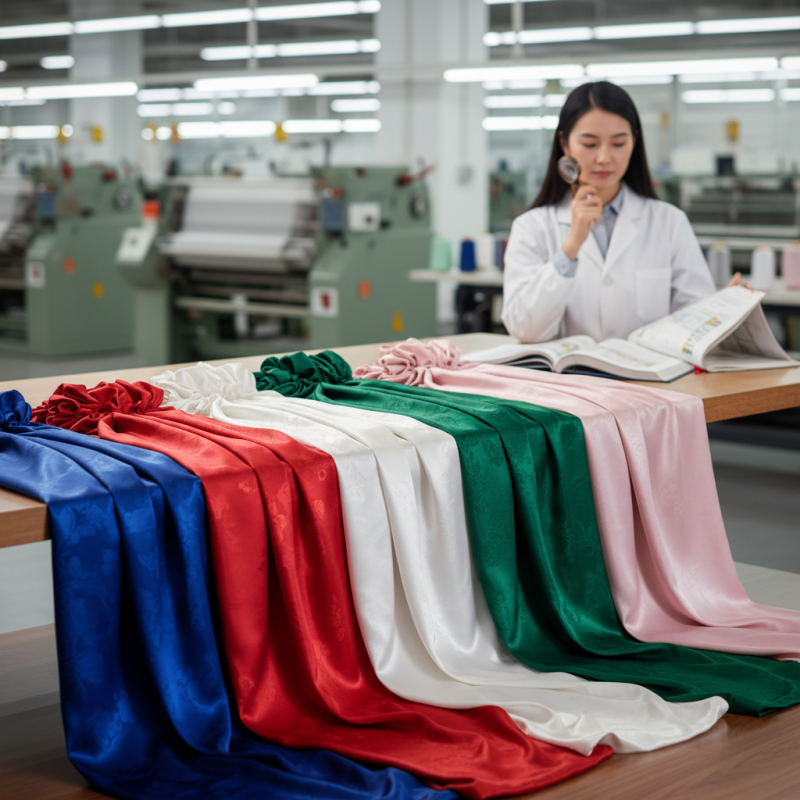
Understanding Imitation Silk Fabric: What Global Buyers Need to Know
Imitation silk fabric is a popular choice for many global buyers. This material mimics the luxurious feel of silk while being more affordable. Its versatility makes it suitable for various applications, from fashion apparel to home textiles. Understanding its qualities is essential for buyers to make informed decisions.
The texture of imitation silk can vary. Some fabrics feel silky smooth, while others may have a slight sheen. Buyers should check samples to assess the quality. Ensure the fabric is durable enough for intended use. It is also wise to consider colorfastness, as some lower-quality options may fade after washing.
Sourcing imitation silk from China offers diverse options. However, not every supplier meets the same standards. Research is vital. Engage with suppliers and request certifications to gauge reliability. Customer reviews can provide insight into their experiences. Recognizing potential pitfalls will help buyers avoid costly mistakes in their selections.
Key Features that Distinguish Quality Imitation Silk Fabrics
When sourcing imitation silk fabrics, key features can set quality apart. Buyers should look for texture, drape, and durability. Premium imitation silk mimics the soft feel of real silk but is often more cost-effective. According to industry reports, the global market for synthetic fabrics is projected to grow steadily, highlighting the increasing demand for high-quality options.
A notable characteristic is the fabric's sheen. Quality imitation silk has a lustrous shine without looking plastic. Another aspect is the weight; heavier fabrics typically signify better quality. Light and airy types can be less durable. However, finding balance between weight and comfort is essential. Careful inspection of the stitch quality further distinguishes top suppliers.
Tips: Always request fabric samples before placing large orders. This can help avoid costly mistakes. Additionally, consider supplier reviews and industry certifications to gauge reliability. Even the best suppliers can have inconsistencies, so due diligence is crucial. Pay close attention to how fabrics perform after washing. This influences long-term satisfaction and use.
Top Chinese Manufacturers Specializing in Imitation Silk Fabrics
China has emerged as a leading hub for imitation silk fabric production. The country’s textile industry reported a staggering revenue of over $200 billion in 2022, showcasing its significance. This growth is driven by a rising demand for economical yet luxurious fabrics among global buyers.
Top manufacturers in China specialize in a variety of imitation silk fabrics. These include satin, chiffon, and georgette, which are often sought for their soft touch and elegant drape. Many suppliers utilize advanced technology in weaving techniques. However, the quality can vary widely, and it’s crucial for buyers to conduct thorough assessments. Certain textile reports indicate that approximately 30% of fabric imports from China may not meet the expected standards.
Moreover, sourcing imitation silk can be a complex process. While some suppliers offer lower prices, others provide better consistency and quality assurance. It is essential for buyers to balance cost with quality to avoid potential disappointments. Research shows that 40% of buyers face challenges in meeting fabric specifications. Engaging with reliable suppliers can mitigate these risks and enhance procurement efficiency for global clients.
Best Imitation Silk Fabric Suppliers in China for Global Buyers
| Supplier Location | Specialization | Annual Production (Tons) | Export Markets | Quality Certification |
| Shanghai | Polyester Imitation Silk | 5000 | North America, Europe | ISO 9001 |
| Guangzhou | Silk-Like Fabric | 3000 | Asia, Australia | Oeko-Tex Standard 100 |
| Zhejiang | Chiffon Imitation Silk | 4000 | Europe, South America | SGS Certification |
| Shandong | Satin Imitation Silk | 6000 | Middle East, Africa | CE Marking |
| Fujian | Spandex Imitation Silk | 2500 | Japan, South Korea | AITEX Certification |
Evaluating Supplier Reliability and Quality Assurance Practices
When sourcing imitation silk fabric in China, assessing supplier reliability is crucial. Not all suppliers are equal. Some have robust quality assurance practices, while others may not. Prioritize suppliers who provide certifications for their materials and processes. Certifications can validate their claims about fabric quality and safety.
Request samples before placing large orders. This step allows buyers to evaluate texture, durability, and visual appeal. Additionally, understanding a supplier's production process is essential. Are their methods sustainable? Do they adhere to environmental standards? Transparently communicating these factors can indicate their commitment to quality.
Consider the communication style of the suppliers. Are they responsive and open to addressing concerns? This aspect can reflect their professionalism. However, occasional lapses in communication might signal larger issues. It’s vital to maintain clear dialogue throughout the ordering process. Regular updates prevent misunderstandings and help build trust. Being proactive can save time and resources in the long run.
Navigating the Import Process: Tips for International Buyers
When navigating the import process for imitation silk fabrics from China, international buyers must be well-informed. The market for imitation silk is expected to reach USD 15 billion by 2025, according to industry reports. This highlights the importance of sourcing from reputable suppliers. However, choosing the right supplier and understanding import regulations can be challenging.
Buyers should consider the quality of the fabric. Request samples before making a bulk order. This ensures the fabric meets your expectations. Additionally, checking the supplier’s certifications helps in confirming authenticity. Importing textiles involves understanding tariffs and customs regulations. Familiarize yourself with these to avoid unexpected costs.
One common challenge is communication barriers. Misunderstandings can lead to order discrepancies. Using clear and concise language is essential. Make sure you clarify all requirements upfront. Following these tips can enhance your importing experience, making it smooth and successful.
Market Share of Imitation Silk Fabric Suppliers in China
This bar chart represents the estimated market share of various types of imitation silk fabric suppliers in China. The data illustrates the popularity and variety of products offered by various suppliers.