10 Best Renewable Power Solutions to Transform Your Energy Future?
The world stands at a crucial crossroads in energy consumption. Traditional energy sources are depleting, leading to environmental crises. To combat this, we must explore innovative renewable power solutions. These methods harness natural energy sources—like solar, wind, and hydropower. They promise a cleaner, sustainable energy future.
However, transitioning to these solutions is not without challenges. Many communities are not yet aware of their potential. Some renewable technologies are still expensive or inefficient. The path to widespread adoption requires education and investment. It’s time to reflect on our energy choices and embrace change.
Renewable power solutions can reshape our energy landscape. By adopting these technologies, we can reduce our carbon footprint. Harnessing nature's power provides energy security and reduces dependence on fossil fuels. The journey may be complex, but the rewards are undeniable. With commitment and innovation, we can transform our energy future.
Overview of Renewable Energy and Its Importance
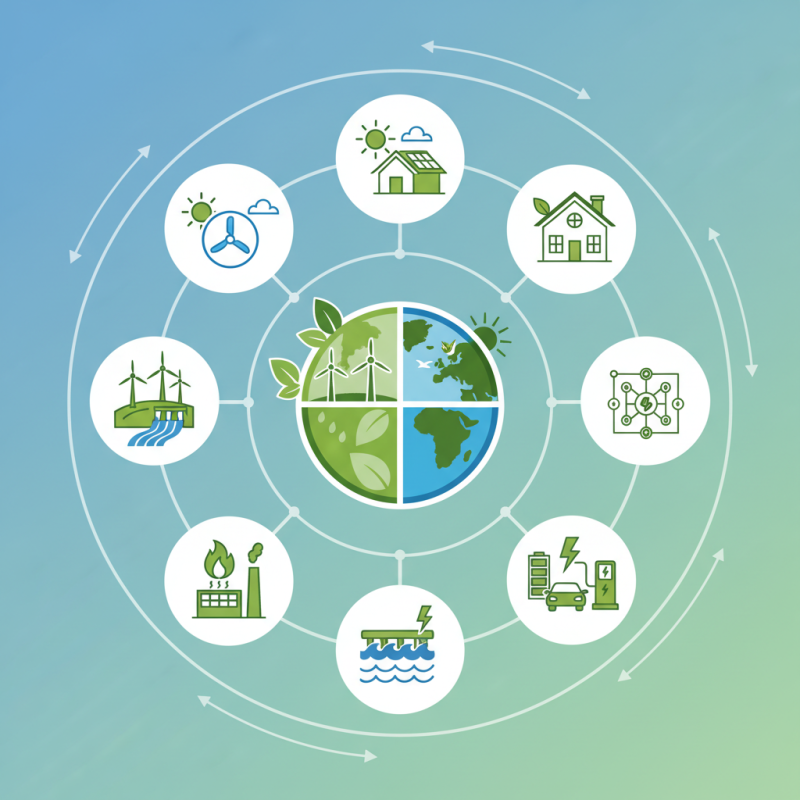
Renewable energy is crucial for a sustainable future. According to the International Renewable Energy Agency (IRENA), renewable energy jobs worldwide reached 11.5 million in 2018 and are projected to double by 2030. This growth highlights the importance of investing in renewable technologies.
Wind, solar, and hydroelectric power are at the forefront of this energy transformation. Wind power capacity increased to 650 gigawatts globally in 2019. However, challenges remain. The transition to these energy sources can disrupt local economies reliant on fossil fuels. Communities may face uncertainty during this shift, leading to resistance and setbacks.
Additionally, some renewable sources generate intermittent energy. For instance, solar energy production depends on sunlight availability. This variability can create challenges for grid stability. Investment in storage technologies is needed but often faces funding hurdles. As communities strive for cleaner energy, these obstacles must be addressed carefully.
10 Best Renewable Power Solutions to Transform Your Energy Future
| Solution |
Energy Source |
Benefits |
Challenges |
Implementation Cost |
| Solar Power |
Solar Energy |
Low emissions, renewable |
Weather dependency, space requirements |
$3,000 - $10,000 per kW |
| Wind Power |
Wind Energy |
Sustainable, low operational cost |
Intermittency, noise |
$1,200 - $4,000 per kW |
| Hydroelectric Power |
Water Flow |
Reliable, high capacity |
Environmental impact, displacement |
$5,000 - $8,000 per kW |
| Geothermal Energy |
Earth's Heat |
Consistent output, small footprint |
Location-dependent |
$2,500 - $5,000 per kW |
| Biomass Energy |
Organic Material |
Uses waste, reduces landfill |
Emission concerns |
$3,000 - $7,000 per kW |
| Tidal Power |
Tides |
Predictable, renewable |
High costs, ecological impact |
$4,000 - $10,000 per kW |
| Ocean Energy |
Wave Movement |
Constant energy source |
Technology still developing |
$5,000 - $15,000 per kW |
| Hydrogen Fuel Cells |
Hydrogen |
Zero emissions, versatile |
Storage challenges, cost |
$1,500 - $4,000 per kW |
| Nuclear Fusion |
Fusion reactions |
Potentially limitless energy |
Still experimental |
Pending |
Solar Power Technologies and Their Applications
Solar power technologies have gained tremendous attention in recent years. The advancements are evident in both efficiency and availability. Solar panels are becoming more affordable. Homeowners and businesses see the benefits of harnessing sunlight. Many installations now include innovative tracking systems. These systems follow the sun, maximizing energy capture.
Solar thermal systems are another fascinating application. These systems use sunlight to heat water or air. They’re ideal for residential and commercial sectors. However, not every location is sunny enough year-round. Some areas may struggle with inconsistent sunlight. This creates challenges for reliance on solar energy alone.
Despite the positives, the technology isn’t flawless. The production of solar panels has an environmental impact. Disposal of old panels is also a concern. Recycling methods are still developing. These issues require careful consideration. Investing in solar energy should involve thorough research. While it offers a bright future, it’s essential to understand the complexities involved.
Wind Energy: Harnessing Nature's Forces for Electricity
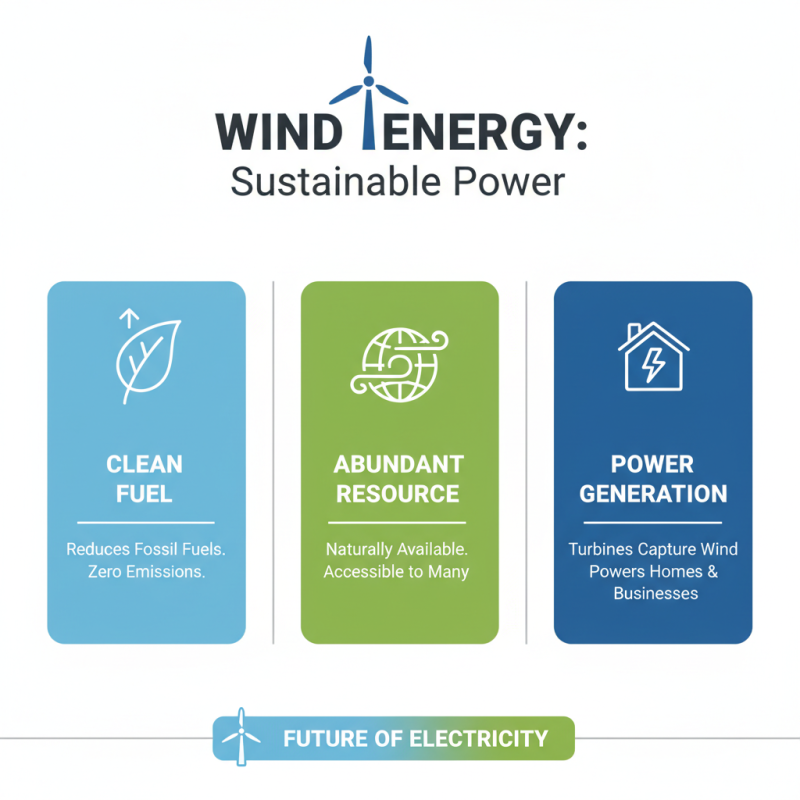
Wind energy represents a powerful solution for achieving sustainable electricity. By harnessing the natural forces of wind, we can reduce our reliance on fossil fuels. The vast availability of wind makes it an accessible resource for many regions. Large turbines spin gracefully on hilltops and coastal areas, capturing the wind's energy. This energy is converted into electricity that can power homes and businesses.
Tips for utilizing wind energy effectively include choosing the right location for turbines. High elevation sites often provide stronger winds. It’s crucial to evaluate local wind patterns. Additionally, consider integrating wind energy with other renewables, like solar power. This synergy can maximize energy production throughout the year.
While wind energy has significant benefits, some challenges remain. Turbines can affect local wildlife and landscapes, creating a need for careful planning. The technology isn’t universal; not every area experiences sufficient wind. Continuous research and development are necessary to address these issues. Acknowledging the imperfections helps us refine wind energy solutions for a greener future.
Hydropower: Efficient and Sustainable Water Energy Solutions
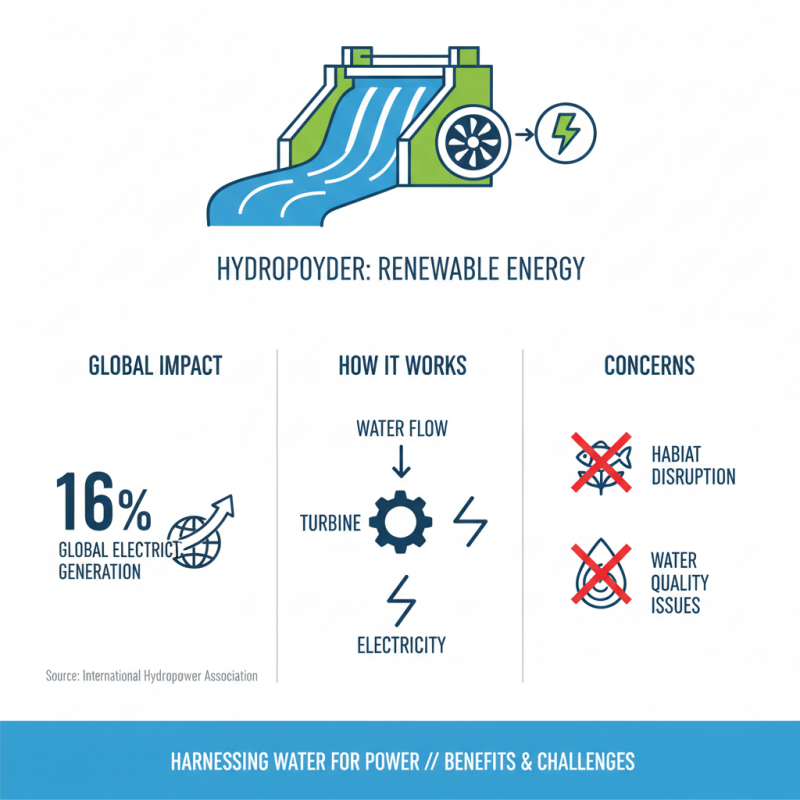
Hydropower is an integral part of the renewable energy landscape. It harnesses water flow to generate electricity. According to the International Hydropower Association, hydropower accounts for about 16% of global electricity generation. This figure highlights its significance in the energy mix. However, the implementation of hydropower can lead to environmental concerns, such as habitat disruption and water quality issues.
Tips: Always consult local ecological reports before initiating projects. Understanding local ecosystems can minimize negative impacts.
Investing in hydropower offers many benefits. It provides a stable energy source, often delivering baseload electricity. Projects can vary from large dams to small-scale hydro installations. Smaller setups can be more sustainable but often lack the same output. Each project must weigh efficiency against environmental principles. Some communities find the effects of large dams can outweigh the advantages, leading to social displacement and biodiversity loss.
Tips: Engage with community members. Their insights can guide project sustainability and acceptance.
Incorporating hydropower means navigating complex challenges. Balancing energy needs with environmental protection is crucial. As we push for cleaner energy sources, continuous assessment is essential. This way, hydropower can remain part of the sustainable energy future.
Emerging Renewable Technologies: The Future of Clean Energy
Emerging renewable technologies are reshaping our energy landscape. Innovations in
solar,
wind, and
bioenergy are paving the way for a cleaner future.
These advancements are crucial in reducing our carbon footprint. Each technology brings unique benefits
and challenges. People are more aware of their choices today.
Solar panels are becoming more efficient and affordable. They harness sunlight effectively,
making it accessible for homes and businesses. However, energy storage remains a hurdle.
Storing solar energy for use during cloudy days is essential. This is a critical area for further development.
Wind energy presents a promising option. Onshore and offshore wind farms are gaining traction.
They generate significant power, but they also face resistance from local communities.
Noise and visual impact are common concerns.
Engaging with communities can help mitigate these issues.
Tip: Consider your energy consumption. Reduce waste by using
energy-efficient appliances.
By exploring emerging technologies, we can find better solutions.
Hydropower,
geothermal, and
hydrogen energy also show potential.
Each has its own set of obstacles. We need to invest in research to overcome these challenges.
Tip: Stay informed. Knowledge about renewable options empowers better choices.