Best Concrete Batching Plant Wastewater Treatment Solutions?
Concrete batching plants are vital for construction. However, they generate significant wastewater, which can harm the environment. The importance of effective Concrete Batching Plant Wastewater Treatment cannot be overstated. According to a recent report by the American Concrete Institute, nearly 40% of concrete batch plants struggle with wastewater management. This indicates a need for advanced solutions.
Dr. Emily Thornton, a noted expert in wastewater management, emphasizes, "Effective treatment solutions are essential for the sustainability of concrete batching operations." Her perspective highlights a crucial aspect of this industry. Many plants are still using outdated processes that are inefficient and environmentally harmful.
While advancements exist, the adoption of modern technologies remains inconsistent. A gap exists between awareness and implementation. Therefore, the quest for the best Concrete Batching Plant Wastewater Treatment solutions continues. Addressing this issue with innovative methods can enhance sustainability and compliance within the industry.
Overview of Wastewater Generation in Concrete Batching Plants
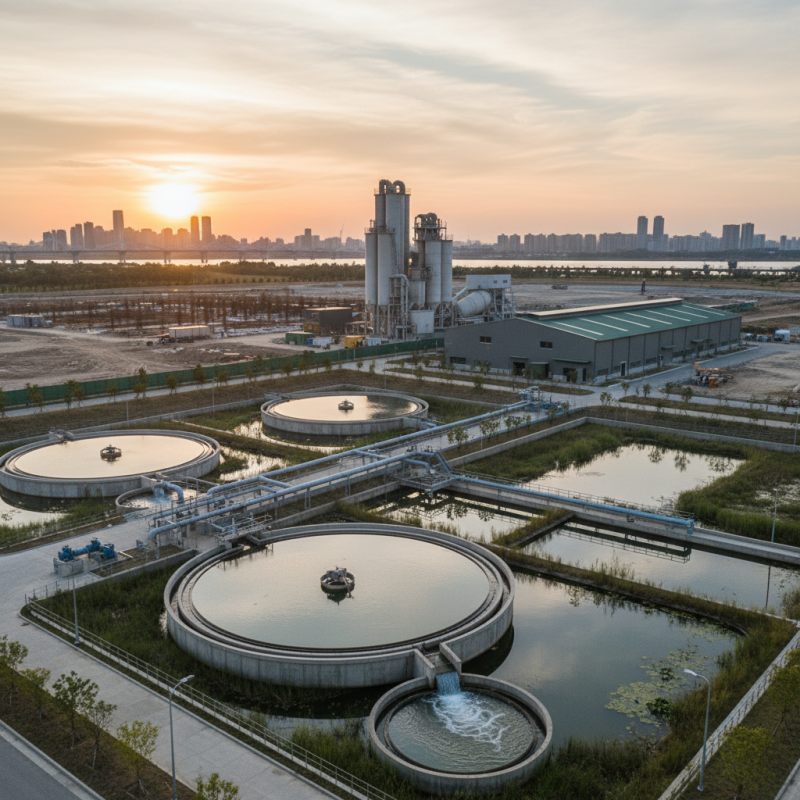
Concrete batching plants generate significant amounts of wastewater during their operations. This wastewater often contains high levels of suspended solids, chemical additives, and other pollutants. The sources of this wastewater include washing of equipment, mixing processes, and runoff from aggregate storage areas. As plants aim to maximize efficiency, managing this byproduct becomes crucial.
Effective treatment solutions are essential for minimizing the environmental impact of this wastewater. Various methods exist, including sedimentation, filtration, and even biochemical treatments. Each method has its strengths and weaknesses. For example, sedimentation can reduce solids but may not eliminate all contaminants. Additionally, some plants may struggle with variable wastewater composition, complicating treatment efforts.
Many operators recognize the importance of compliance with environmental regulations. However, they often face challenges in keeping up with evolving standards. This inconsistency can lead to operational risks and increased costs. Thus, ongoing research and implementation of innovative treatment technologies remain vital in addressing these wastewater issues effectively.
Best Concrete Batching Plant Wastewater Treatment Solutions
| Dimension | Description | Average Volume (m³/day) | Treatment Technologies |
| Wastewater Generation | Typically occurs from washouts and equipment cleaning. | 10-30 | Settling Tanks, Oil/Water Separators |
| Recycling Potential | Water can be reused for batching after treatment. | 5-20 | Filtration Systems, Sand Filters |
| Compliance Standards | Must meet local wastewater discharge regulations. | Varies by region | Biological Treatment, Chemical Dosing |
| Cost of Treatment | Dependent on technology and scale of operation. | $500 - $2000/month | Aeration Tanks, Decanter Systems |
| Environmental Impact | Reduction of pollutants and conservation of water resources. | N/A | Constructed Wetlands, Advanced Oxidation |
Key Challenges in Treating Concrete Batching Plant Wastewater
Concrete batching plants face unique challenges when it comes to wastewater treatment. The wastewater generated during the mixing process contains harmful materials. Sediments, heavy metals, and chemical additives can complicate treatment efforts. Ensuring that these pollutants do not enter local water bodies is crucial for environmental protection.
Effective treatment requires a comprehensive approach. A common challenge is managing the volume of wastewater. Batch plants often produce varying amounts daily, making it difficult to plan treatment capacity. Additionally, fluctuating pH levels and solids concentration can hinder the efficacy of standard treatment methods. Each batch may require tailored treatment solutions.
Tips: Regular monitoring of water quality can help identify issues early. Implementing a robust pre-treatment system can reduce pollutants before they enter treatment facilities. Engaging with local authorities can ensure compliance with environmental regulations.
Understanding and addressing these challenges is vital for a successful wastewater treatment strategy. Concrete batching plants must prioritize sustainability in their operations. Balancing efficiency with environmental responsibility can lead to better outcomes over time. Continuous improvement and adaptation are key.
Effective Treatment Technologies for Concrete Batching Wastewater
Concrete batching plants produce significant amounts of wastewater. This wastewater often contains cement particles, chemicals, and other pollutants. Effective treatment of this wastewater is crucial for environmental sustainability. Various technologies are available to address these challenges.
One effective method is sedimentation. This allows larger particles to settle at the bottom of a tank. It is a simple yet effective process. However, sedimentation alone may not eliminate all harmful substances. Additional treatment options can enhance effectiveness. For example, filtration systems can remove finer particles. These systems often require regular maintenance, which can be a concern for some facilities.
Another promising solution is biological treatment. Utilizing microorganisms can break down organic materials present in the wastewater. This method can be environmentally friendly and efficient. However, it demands careful monitoring and management. The balance of bacteria and the environment is crucial for success. Operators must be vigilant to avoid catastrophic failures, which can result in increased pollutants. Overall, selecting the right combination of technologies is key to effective treatment.
Sustainability Practices in Wastewater Management for Concrete Plants
Concrete plants face significant challenges in managing wastewater. Efficient treatment solutions are vital for sustainability. Many facilities generate large amounts of water mixed with concrete residues. This situation risks environmental contamination if not properly managed.
Implementing a closed-loop system can greatly reduce water waste. In a closed-loop, wastewater is recycled within the plant, minimizing external discharge. Such systems often involve sedimentation and filtration processes. However, these solutions can be costly and complex to set up. Many plant managers may struggle with initial implementation, leading to hesitation.
Regular maintenance of treatment systems is crucial. Systems can malfunction, leading to inefficiencies. Plants may overlook this requirement, resulting in increased waste production over time. Training staff to monitor these processes is essential. Without proper training, the effectiveness of treatment systems may diminish. Therefore, a focus on consistent training and system checks can enhance overall sustainability in wastewater management.
Wastewater Treatment Solutions in Concrete Batching Plants
Case Studies of Successful Wastewater Treatment Solutions in the Industry
In the concrete industry, effective wastewater treatment is crucial for sustainability. A report by the National Ready Mixed Concrete Association highlighted that up to 10% of concrete production can result in wastewater. This wastewater can contain harmful contaminants that, if not treated properly, pose risks to the environment.
One successful case involved a concrete batching plant that implemented a closed-loop system for recycling wastewater. This facility reduced its freshwater usage by 60%, while also significantly decreasing its environmental footprint. By reusing treated water, the plant managed to cut operational costs. However, challenges persisted. The system required regular maintenance, and occasional breakdowns led to temporary spikes in water discharge.
Another example includes a plant that partnered with local agencies to treat wastewater using a combination of biological and chemical processes. They successfully minimized pollutant levels to comply with regulatory standards. Still, inaccuracies in initial assessments of water quality sometimes led to underperformance. Continuous monitoring and adaptation became necessary to overcome these unexpected hurdles, proving that even successful strategies need to evolve.