Top 10 Best Water Sprinklers for Efficient Irrigation?
Efficient irrigation is essential for sustainable agriculture and residential gardening. Water Sprinklers play a crucial role in this process. With increasing global water scarcity, selecting the right sprinkler can enhance water conservation. According to the Irrigation Association, efficient irrigation systems can reduce water usage by up to 50%.
In recent years, advancements in sprinkler technology have led to a variety of options. From oscillating to drip sprinklers, each type serves a unique purpose. Research from the American Society of Agricultural and Biological Engineers highlights that using an appropriate water sprinkler can maximize crop yield while minimizing waste. However, not all products deliver on their promises.
Investing in a quality water sprinkler requires careful consideration. Users must evaluate the specific needs of their landscape. Poor choices can lead to insufficient coverage or excessive runoff. While some products excel, others may fall short on performance. Therefore, understanding your irrigation needs is vital to making an informed decision.
Types of Water Sprinklers: A Comprehensive Overview
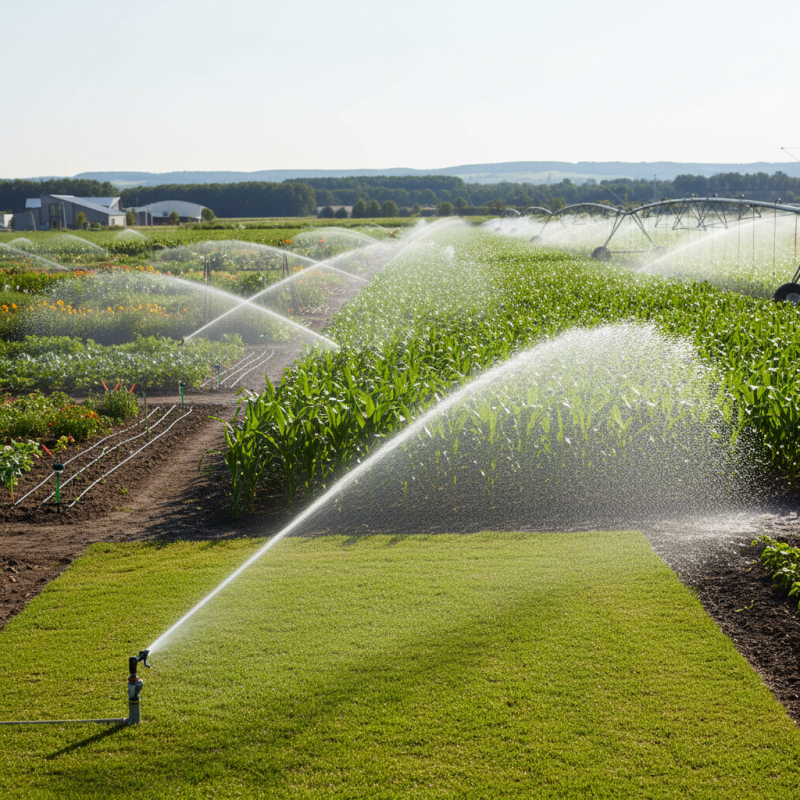
When exploring types of water sprinklers for efficient irrigation, it's important to understand their various functionalities. Impact sprinklers provide a wide range of coverage, making them suitable for large areas. They rotate to distribute water evenly, ensuring no patch of grass remains dry. However, they can be less efficient in windy conditions, as the water may drift away from intended plants.
On the other hand, drip irrigation systems deliver water directly to the roots. This method minimizes evaporation and reduces water waste. Yet, installation can be time-consuming, and maintenance is crucial to prevent clogging. Oscillating sprinklers offer adjustable spray patterns, ideal for medium-sized lawns. They create a fan-shaped water distribution but may require frequent adjustments to cover different areas.
Each type has its pros and cons. Selecting the right sprinkler largely depends on your landscape's needs. The key lies in understanding how each system functions. It can be beneficial to experiment with different types to find the best fit for your garden.
Factors to Consider When Choosing a Water Sprinkler
When choosing a water sprinkler for efficient irrigation, several factors should guide your decision. The size of your garden or lawn plays a crucial role. A small yard may only need a simple oscillating sprinkler, while a larger area might require a more complex system. Consider the shape of your garden too. Irregularly shaped plots need versatile sprinklers to cover all corners effectively.
Water pressure is another pivotal factor. Some sprinklers perform well with low pressure, while others require a stronger flow. Testing your water pressure beforehand can prevent inefficiencies later on. Additionally, look for models with adjustable settings. These allow you to customize your watering schedule, targeting specific areas as needed.
The material of the sprinkler should not be overlooked. Durable materials ensure longevity, especially in varying weather conditions. However, always assess the price versus quality. Investing in a more reliable sprinkler may save you money in the long run. Reflect on your specific needs. What works for one garden may not suit another, highlighting the importance of personal choice in sprinkler selection.
Top 10 Best Water Sprinklers for Different Garden Sizes
Selecting the right water sprinkler is crucial for effective irrigation, especially when considering different garden sizes. For small gardens, a compact oscillating sprinkler works well. It distributes water evenly over a limited area. In contrast, larger gardens may benefit from rotating sprinklers, which cover extensive ground with minimal water waste. According to the USDA, efficient irrigation can cut water usage by up to 50%. However, choosing the correct design depends on your garden layout.
Tip: Regular maintenance is key. Clean the sprinkler heads periodically to prevent clogging. This ensures optimal performance and water efficiency. For mid-sized gardens, consider impact sprinklers that combine coverage and reliability. They are adjustable, making it easier to target certain areas while conserving water.
While choosing a sprinkler, remember that not all models will be efficient for every garden. Factors like soil type and climate can also affect performance. Over-watering can lead to runoff, causing soil erosion. So, carefully monitor your garden’s health and adjust your watering schedule accordingly.
How to Set Up and Maintain Your Water Sprinkler System
Setting up a water sprinkler system requires careful planning. Start by assessing the size of your lawn and garden. Consider the type of plants you have. Are they drought-resistant or more water-intensive? Knowing these details will help you choose the right sprinkler type.
Placement is crucial. Sprinklers should cover all areas evenly. Avoid overspray on walkways or driveways. Test various positions. Experiment with angles and distances to find what works best.
Once set up, maintenance is key. Regularly check for clogs or leaks. Replace any damaged parts promptly. Monitor your system during extreme weather changes. Adjust your schedule as needed. Sometimes, you might miss spots or waste water unintentionally. Learn from these mistakes and improve your setup.
Top 10 Best Water Sprinklers for Efficient Irrigation
| Model | Type | Coverage Area (sq ft) | Water Pressure (PSI) | Features | Price ($) |
| Model A | Oscillating | 3,600 | 20-60 | Adjustable spray, Quiet operation | 45 |
| Model B | Stationary | 2,500 | 30-70 | Durable construction, Simple setup | 30 |
| Model C | Rotary | 4,000 | 15-50 | Wide coverage, Adjustable nozzles | 55 |
| Model D | In-Ground | 5,000 | 20-80 | Automated control, Landscape-friendly | 120 |
| Model E | Traveling | 8,000 | 25-70 | Long-range, Heavy-duty | 150 |
Tips for Optimizing Irrigation Efficiency with Sprinklers
Optimizing irrigation efficiency with sprinklers is crucial for sustainable gardening. One key factor is to assess your landscape's specific needs. Soil type, plant variety, and sunlight exposure greatly impact watering requirements. Test your soil to understand its moisture retention. For example, sandy soil drains faster than clay, needing more frequent watering.
Another aspect to consider is the timing of irrigation. Watering early in the morning minimizes evaporation loss. Midday watering results in more moisture lost to the sun. Use a rain gauge to monitor precipitation levels and adjust your sprinkler schedule accordingly. Drip irrigation also works well for targeted watering, but it can be more complex.
It’s essential to regularly inspect sprinklers for clogs and misalignments. A simple visual check can reveal issues that waste water. Consider utilizing soil moisture sensors too. These devices help prevent overwatering by activating the system only when necessary. Reflect on your current practices. Are they truly efficient? Small adjustments can make a big difference.