How to Build a Prefab Container House on a Budget?
Building a Prefab Container House on a budget can be both exciting and challenging. This modern housing solution is gaining popularity. People are drawn to its affordability and flexibility. A Prefab Container House allows for creative designs that can fit various needs. However, making it budget-friendly requires thoughtful planning and resourcefulness.
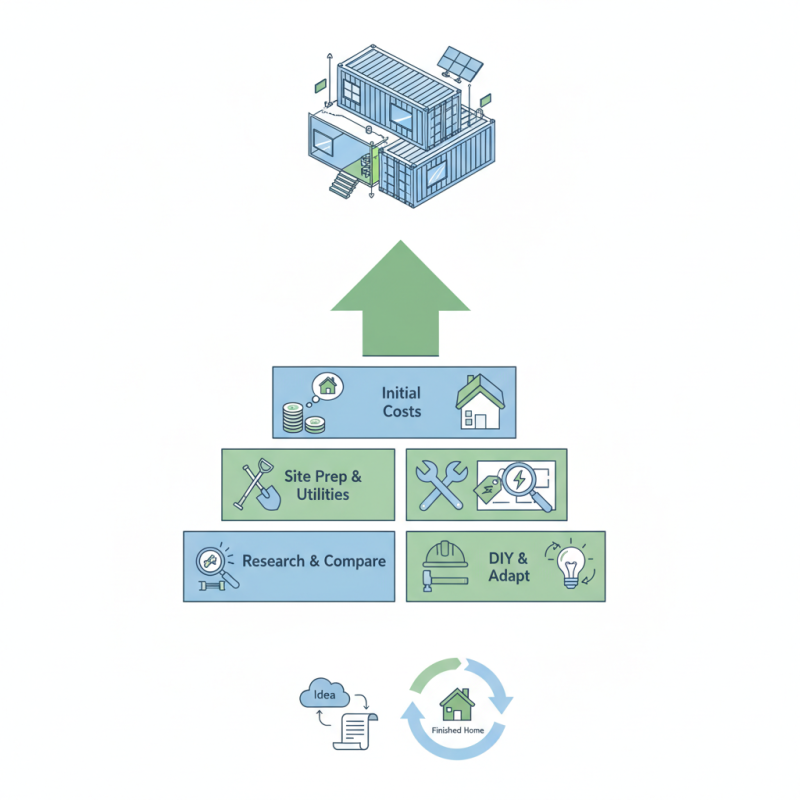
Consider the initial costs. Prices can vary widely based on materials and design choices. You might encounter hidden expenses along the way. For instance, site preparation and utilities can add to your budget unexpectedly. It's crucial to research and compare options to stay within your financial limits.
While a Prefab Container House can be a dream project, it demands careful execution. Embrace the learning curve of DIY installations. Mistakes will happen, and that’s okay. Adjust and adapt your plans as needed. In the end, the journey to building your unique home is just as valuable as the final product. Keep your goals clear, and enjoy the process of creating your affordable living space.
Understanding the Cost Factors in Prefab Container Homes
When considering a prefab container house, understanding the cost factors is crucial. The initial investment can vary widely. Prices often depend on the container's condition. New containers cost more, while used ones can save money. Local market prices also play a significant role. Check nearby suppliers for the best deals.
Additionally, think about design and modifications. Even simple changes can increase expenses. Interior finishes, insulation, and plumbing can add up. Choosing budget-friendly materials can help mitigate costs. Avoiding premium fixtures may lead to savings. Think about DIY options where possible.
Don’t overlook land and permitting fees. These can impact your overall budget. Some areas have strict regulations for container homes. Research local laws and codes to avoid surprises. Keep in mind, overlooking details can lead to delays and extra costs. Budgeting for unforeseen expenses is also wise. Building on a budget requires careful planning and reflection.
Selecting the Right Container: Size and Type for Budget Constraints
Selecting the right container is crucial when building a prefab container house on a budget. Containers come in various sizes and types, each with unique costs. A standard 20-foot container typically offers a balance between price and space. If you need more room, consider a 40-foot container, but this will stretch your budget.
Tip: Always measure your space before choosing a container. This avoids costly mistakes later. A smaller container may suit your needs if you have limited land.
Understand the condition of the container you choose. Used containers can be much cheaper, but they often require repair.
Pay attention to rust and structural integrity. Sometimes, spending a little more upfront saves on extensive renovations later.
Tip: Don't skip a thorough inspection to ensure your container is suitable. You can save money by choosing a container needing minor repairs.
Think about your design.
Fewer windows and customization options can lower costs. Each added feature increases the budget significantly.
Simple designs often yield better results within limits.
Essential Design Tips to Maximize Space and Minimize Costs
Designing a prefab container house on a budget requires smart strategies to maximize space and minimize costs. One key approach is to utilize an open floor plan. This design can enhance the feeling of spaciousness and reduce construction costs. According to industry reports, open layouts can save up to 15% on materials alone. Consider multi-functional furniture that can serve several purposes. For example, a fold-out table can provide dining space when needed, then tuck away to create a larger living area.
Lighting is another crucial aspect. Natural light can create an illusion of more space. Large windows or skylights should be prioritized. Reports indicate that adequate natural lighting can reduce energy costs by around 30% in smaller homes. However, using too many windows might lead to higher expenses. It’s essential to find a balance between cost and benefit. Environmental factors should also be considered. Insulation and heating solutions must align with the local climate to avoid further expenses in the long run.
Finally, sustainable materials can save money and provide aesthetic appeal. Salvaged wood or recycled metals can be cost-effective, but sourcing these materials often consumes time. Careful planning is vital. It’s important to weigh risks and assess whether certain choices might lead to unexpected costs down the line. Striking the right balance will truly enhance the project while keeping the budget intact.
DIY vs. Professional Assembly: Cost Analysis and Time Estimates
When considering the assembly of a prefab container house, the choice between DIY and hiring professionals significantly impacts costs and time. A recent report from the Modular Building Institute shows that DIY approaches can save homeowners 30-50% on labor costs. However, this requires substantial time, effort, and skill. On average, a DIY assembly can take between four to six months, depending on individual expertise and the complexity of the project.
Professional assembly, while more expensive, offers a streamlined process. Most companies can complete the installation in two to three weeks, saving you valuable time. According to a study by IBISWorld, the average cost for professional assembly ranges from $35 to $70 per hour. In contrast, the time savings could offset these higher costs. If you’re inexperienced, the risk of costly mistakes increases with DIY methods, potentially doubling your expenses.
While DIY promises savings, it comes with risks. Mistakes can lead to structural issues. Delays are common too, with weather interruptions or setbacks on material delivery. Each phase of construction needs careful planning, and it can be overwhelming. If you want a quality build quickly, hiring professionals often makes sense despite the upfront cost. Balancing costs and skills is vital to ensure your project is successful.
Financing Options and Grants for Building a Budget-Friendly Container Home
Building a budget-friendly container home can be an exciting endeavor. However, financing options play a crucial role. According to a recent industry report, around 35% of container home builders rely on personal savings. This highlights the need for alternative financing solutions.
One option is taking out a personal loan. Interest rates vary greatly, often ranging from 5% to 36%. While this can provide immediate funds, it does require consistent repayment. Some people may overlook crowd-funding platforms as a way to finance their projects. As per data from J.P. Morgan, crowdfunding raised over $12 billion in the U.S. alone last year. Engaging your community might be a creative solution.
Grants can also provide significant help. The U.S. government allocated over $2 billion for housing initiatives in the last fiscal year. Many local programs support sustainable and affordable housing. Yet, applying for grants can be complex and time-consuming. Success isn’t guaranteed, and many applications go unacknowledged. Navigating these options requires careful planning and patience.