How to Choose the Best Green Energy Renewable Solutions for Your Home?
When considering sustainable living, selecting the right green energy renewable solutions for your home is critical. According to renowned expert Dr. Emily Hart, "The future of energy lies in our hands; it’s essential to choose wisely for a sustainable home." With numerous options available, it's easy to feel overwhelmed. Many homeowners often overlook crucial factors in their decision-making process.
Each home presents unique needs. Factors such as location, budget, and family size play significant roles. Solar panels, wind turbines, and geothermal systems may seem appealing, but one size does not fit all. Miscalculating energy needs can lead to wasted investments and unfulfilled potential. It's important to research, conduct energy audits, and even consult professionals.
Your choice of green energy renewable solutions will impact your utility bills and the environment. Emphasizing quality over quantity can sometimes lead to more efficient energy use. Balancing affordability with effectiveness is often challenging. Homeowners should reflect on their long-term goals while navigating this evolving industry. Finding the best solution isn't merely about the latest technology but also about understanding what fits best in your unique context.
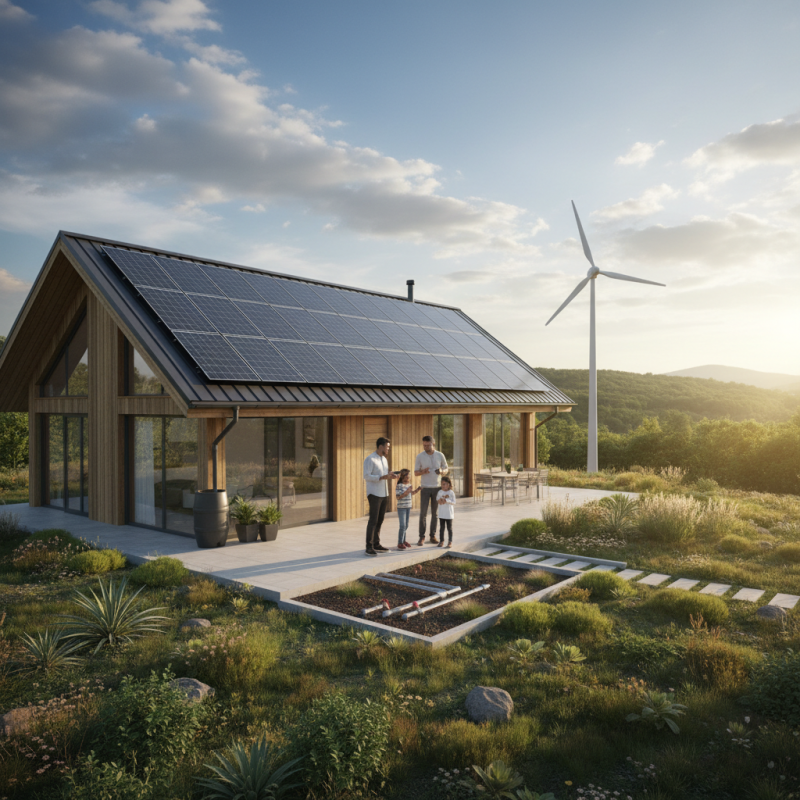
Understanding Different Types of Renewable Energy Sources for Homes
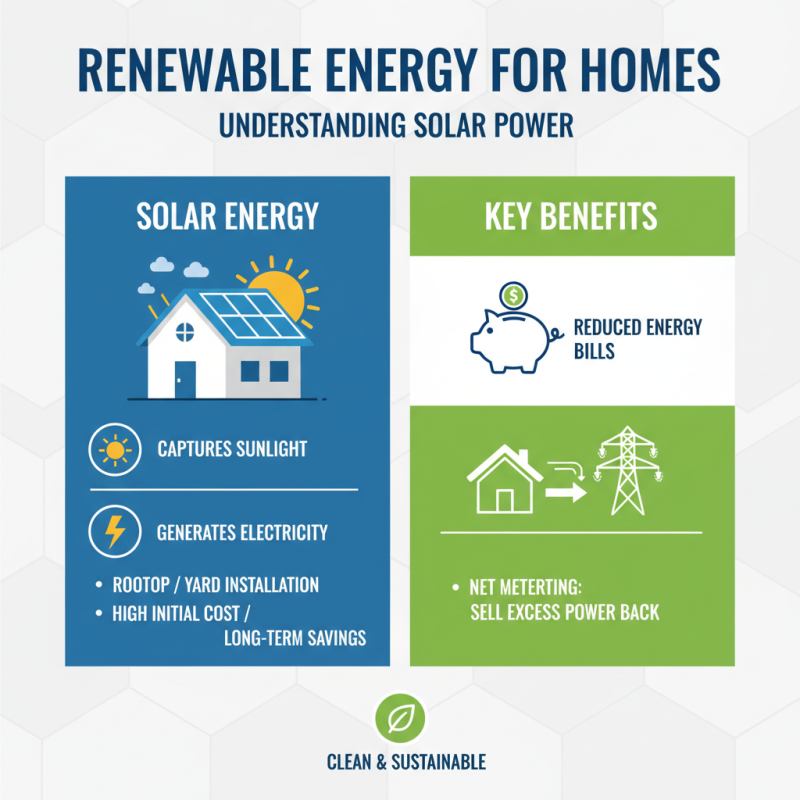
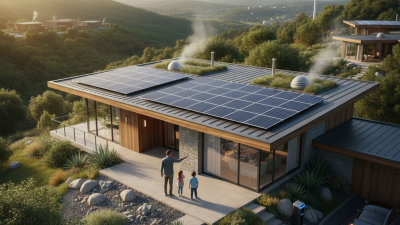
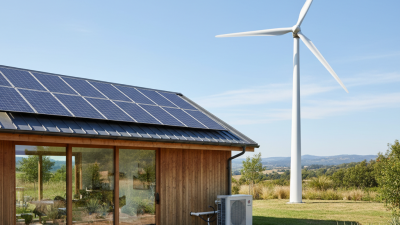
When considering renewable energy for your home, it's essential to understand the available options. Solar energy is one of the most popular choices. It captures sunlight to generate electricity. Systems can be installed on rooftops or in yards. The installation costs can be high, but savings on energy bills can be significant. Many homes benefit from net metering, allowing excess power to be sold back to the grid.
Wind energy is another viable option, especially for homes in open areas. Small wind turbines can harness wind power efficiently. However, their efficiency depends on wind availability. Installation may require permits and can impact local aesthetics. Geothermal energy utilizes the earth's stable temperature. It can provide heating and cooling. The upfront costs can be daunting, yet it offers long-term savings.
Biomass energy converts organic materials into heat or electricity. It's a renewable solution but requires careful management. Sourcing biomass sustainably is crucial. Each option presents unique benefits and challenges. Taking time to research and evaluate these alternatives is vital. Understand your local environment and needs, as one solution may not fit all. Adopting renewable energy is a step forward, but there are important considerations along the way.
Evaluating Energy Needs and Consumption Patterns Before Choosing Solutions
When considering green energy solutions, understanding your energy needs is crucial. Many homeowners overlook this step, leading to inefficient installations. According to the U.S. Energy Information Administration, residential energy consumption averages 877 kilowatt-hours per month. Evaluating your specific consumption patterns helps identify which renewable solutions fit best.
Analyze your home's energy use over a year. Are usage spikes noticeable in summer with air conditioning or in winter with heating? Recognizing these patterns enables better alignment with solar or wind resources. A report from the International Renewable Energy Agency suggests that homes with a clear understanding of their energy profile can save up to 30% on renewable energy investments.
Consider conducting an energy audit. This practical step assesses insulation, appliances, and overall efficiency. Some studies show that homes that reduce energy waste first can maximize the benefits of renewable technologies. Keep in mind that oversizing systems can lead to wasted resources and financial strain. Balancing your energy demand and renewable supply remains key. Reflecting on these factors ensures that the green energy solutions you choose are both effective and sustainable.
How to Choose the Best Green Energy Renewable Solutions for Your Home?
| Energy Solution |
Cost Estimate ($) |
Installation Time (Days) |
Annual Savings ($) |
Carbon Footprint Reduction (%) |
| Solar Panels |
15,000 |
30 |
1,200 |
80 |
| Wind Turbine |
20,000 |
60 |
1,500 |
75 |
| Geothermal Heating |
25,000 |
30 |
2,000 |
90 |
| Biomass Heating |
10,000 |
20 |
800 |
50 |
| Solar Water Heating |
7,000 |
15 |
500 |
30 |
Assessing Costs, Incentives, and Financial Options for Green Energy
Choosing green energy solutions for your home starts with understanding costs. Installation expenses can vary widely. Factors include system size, local labor costs, and technology type. For instance, solar panels tend to have higher upfront costs. However, they usually offer long-term savings, especially with price guarantees on energy.
Incentives play a crucial role too. Many regions offer tax credits or rebates for renewable energy systems. Some utilities provide cash incentives for energy efficient upgrades. Research local policies to maximize financial benefits. Financing options vary as well. Consider low-interest loans or power purchase agreements. These allow homeowners to pay over time, reducing immediate financial burdens.
Weighing these aspects carefully is vital. A detailed budget can help in understanding affordability. Green energy often requires an upfront investment, but it can lead to lower monthly bills. Thinking ahead can make a significant difference. Balancing costs and potential savings is essential for making a wise choice.
Exploring Installation and Maintenance Considerations for Renewable Systems
When exploring renewable energy options for your home, installation and maintenance play crucial roles.
Each system, whether solar, wind, or geothermal, comes with unique installation challenges. For instance, solar panels require specific roof conditions. A shaded roof can reduce efficiency. Some houses may need structural adjustments to support the weight of the panels. Understanding these requirements ensures a smoother installation process.
Maintenance is another vital aspect of renewable systems. Without proper upkeep, even the best systems can underperform. Solar panels need regular cleaning; debris can block sunlight and reduce energy output. Wind turbines, on the other hand, require inspections to prevent wear and tear. It's essential to develop a maintenance plan that fits your lifestyle.
Consider hiring professionals for routine checks, especially for systems like geothermal, which involve underground components.
Homeowners should also reflect on their energy needs. Are your energy demands stable or fluctuating? Evaluate whether the chosen system meets your needs. Overestimating can lead to unnecessary costs, while underestimating may yield insufficient energy. Knowledge of your household energy use helps tailor the right approach to renewable solutions.
Comparing Long-term Benefits and Environmental Impact of Each Option
When exploring green energy solutions, assessing long-term benefits is crucial.
Solar panels, for instance, can significantly reduce electricity costs over time. They harness sunlight, providing a sustainable power source. However, installation costs can be steep. Homeowners often wonder if the savings justify the upfront investment.
Wind turbines present another option, particularly in areas with consistent winds. They generate clean energy and can lead to substantial savings. Yet, they may require ample space and potential zoning issues. The environmental impact is generally positive, but concerns about local wildlife should not be ignored.
Geothermal systems tap into the earth’s heat. They’re incredibly efficient and can maintain consistent temperatures year-round.
These systems have lower carbon footprints but can require significant modifications to existing structures.
Homeowners should weigh their specific circumstances and local resources before making a decision. Not all solutions fit every home perfectly. It’s essential to research and reflect on what works best for your living environment.