2025 How to Choose the Best Green Energy Solutions for Your Home
As the world increasingly recognizes the importance of sustainable living, homeowners are seeking ways to reduce their carbon footprint through green energy solutions. With a range of options available, from solar panels to wind energy, making the right choice can be daunting. According to Dr. Emily Rhodes, a leading expert in renewable energy technology, “Choosing the right green energy solutions goes beyond just environmental benefits; it’s about creating a sustainable future for ourselves and generations to come.”
Homeowners are now faced with critical decisions regarding energy consumption and the technologies they wish to implement. Understanding the benefits and limitations of various green energy solutions is essential for making informed choices. This journey not only contributes to combating climate change but also provides long-term economic advantages, such as reduced utility bills and increased property value.
In the following sections, we will explore key factors to consider when evaluating green energy solutions, ensuring that every homeowner can find a tailored approach that fits their needs and resources. Whether you are starting from scratch or looking to improve existing systems, these insights will guide you towards making the best decisions for a greener home.
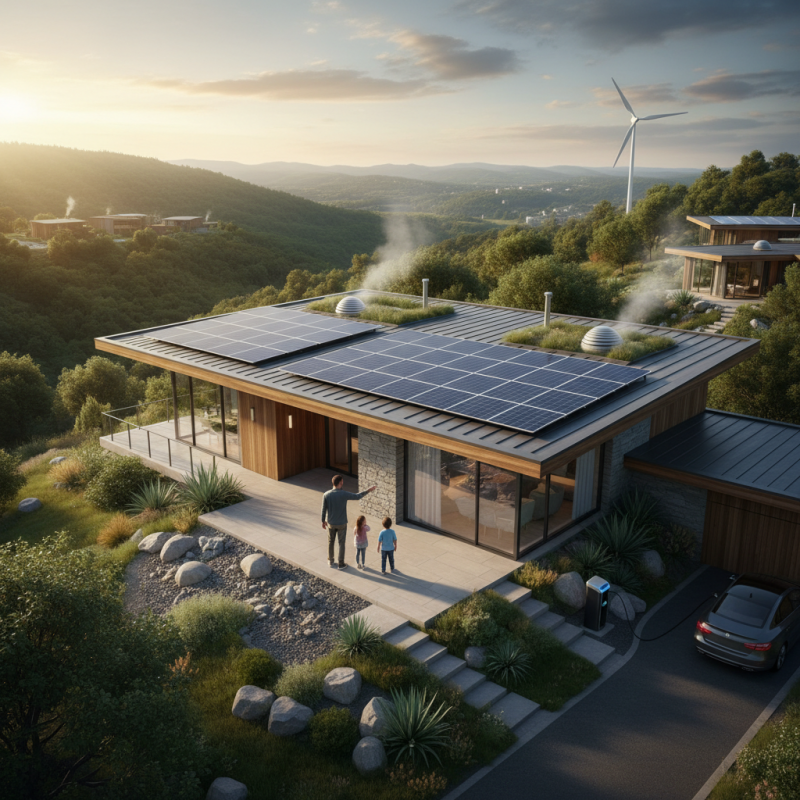
Understanding Green Energy: What It Is and Why It Matters
Green energy refers to the sustainable and environmentally friendly energy sources, which include solar power, wind energy, geothermal energy, and hydropower, among others. These energy solutions harness natural processes, significantly reducing our dependence on fossil fuels. Understanding green energy is crucial in today’s world, where climate change and environmental degradation pose significant challenges. By opting for green energy, homeowners not only contribute to reducing greenhouse gas emissions but also promote energy independence and sustainability.
The importance of green energy extends beyond just environmental impact. It plays a vital role in economic growth by creating jobs in renewable energy sectors and reducing energy bills through efficiency and sustainability. As awareness about climate issues increases, more homeowners are considering green energy solutions not just as an ethical choice but as a practical investment in their property's future value. Understanding what green energy is and why it matters encourages individuals to make informed decisions, leading to a collective shift towards a more sustainable lifestyle.
Energy Sources in the U.S. (2022)
This chart illustrates the distribution of energy sources used in the United States for electricity generation in 2022. Understanding these sources is essential for choosing the best green energy solutions for your home.
Types of Green Energy Solutions: An Overview of Available Options
When exploring green energy solutions for your home, it is essential to understand the various options available.
The most common types of green energy include
solar,
wind,
hydro,
and geothermal systems.
Solar power, harnessed through photovoltaic panels, can significantly reduce your electricity bills and reliance on fossil fuels.
Wind energy utilizes turbines to convert wind currents into energy, ideal for areas with consistent wind patterns.
Meanwhile, hydro power generates electricity from flowing water, often a viable option for homes near rivers or streams.
Before committing to a specific green energy solution, consider these tips:
Firstly, assess your home's energy needs. Understanding your consumption will help you choose the most suitable system.
Secondly, evaluate your location's resources—solar energy may be more accessible in sunny areas,
while wind energy could be more effective in wind-prone regions.
Lastly, research available incentives and rebates that can significantly offset installation costs, making green energy more financially feasible.
Additionally, incorporating energy-efficient appliances
and smart home technology can enhance the effectiveness of your chosen green solution.
By being strategic in your approach, you can effectively transition to a more sustainable energy source that aligns with your lifestyle and environmental goals.
Evaluating Your Home's Energy Needs: Assessing Consumption and Efficiency
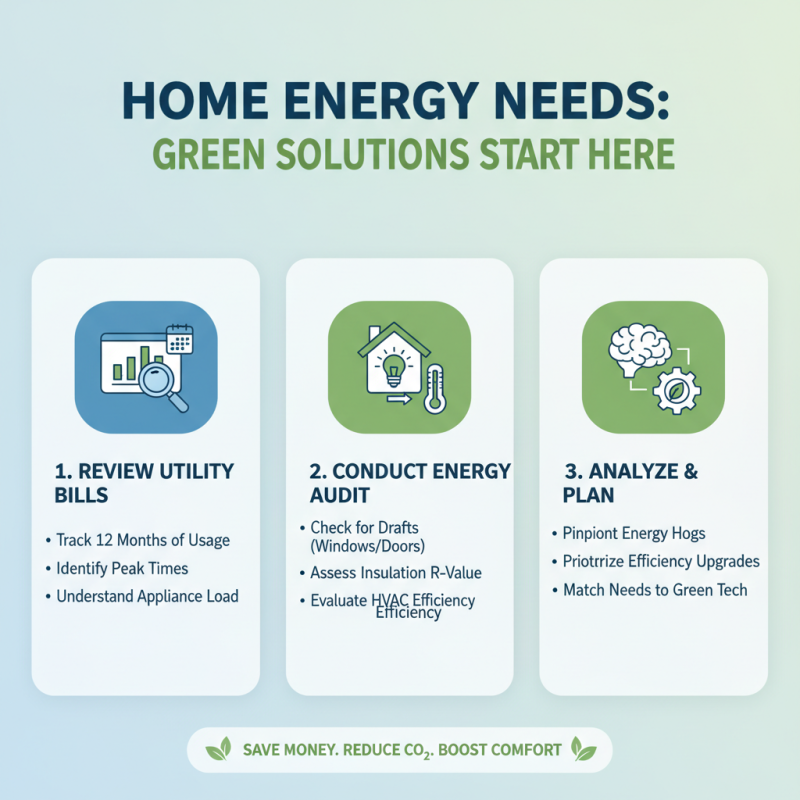
Evaluating your home's energy needs is a crucial first step in selecting the best green energy solutions. Start by conducting a thorough assessment of your energy consumption. This can be achieved by reviewing utility bills from the past year to track usage patterns. Identifying peak consumption periods and understanding which appliances or systems contribute most to your energy demand will provide valuable insights. Additionally, consider conducting an energy audit to pinpoint areas where efficiency can be improved, such as drafty windows, outdated insulation, or inefficient heating and cooling systems.
Once you have a clear picture of your energy consumption, it is essential to evaluate the efficiency of your current systems. Look into implementing energy-efficient appliances and smart home technologies that optimize usage. Assess whether your home is equipped with sufficient insulation and energy-efficient windows, which can significantly reduce energy loss. By focusing on increasing your home's energy efficiency, you not only lower your overall consumption but also enhance the effectiveness of any green energy solutions you choose to adopt, such as solar panels or wind turbines. This careful evaluation will ultimately guide you toward the most effective and sustainable options for powering your home.
Cost-Benefit Analysis: Financial Considerations for Green Energy Options
When considering green energy solutions for your home, conducting a thorough cost-benefit analysis is paramount. This involves evaluating both the initial investment and the long-term savings associated with various renewable energy options.
For instance, solar panels may demand a significant upfront cost, including installation and maintenance. However, they can lead to substantial savings on electricity bills over time and may even increase the value of your property.
It's crucial to calculate the payback period—the time it takes for these savings to offset the initial investment—so homeowners can make informed decisions.
In addition to the direct financial implications, it's essential to factor in potential incentives and rebates offered by local or federal governments for adopting green technologies. These financial incentives can affect the overall affordability and attractiveness of certain energy solutions, making some options more favorable than others.
Moreover, evaluating the environmental benefits can also play a role in the decision-making process, as the long-term impacts of reduced carbon emissions contribute to a cleaner planet.
By weighing these financial considerations against the benefits, homeowners can choose the green energy solutions that best align with their budgetary constraints and environmental goals.
Installation and Maintenance: Ensuring Long-Term Success of Green Solutions
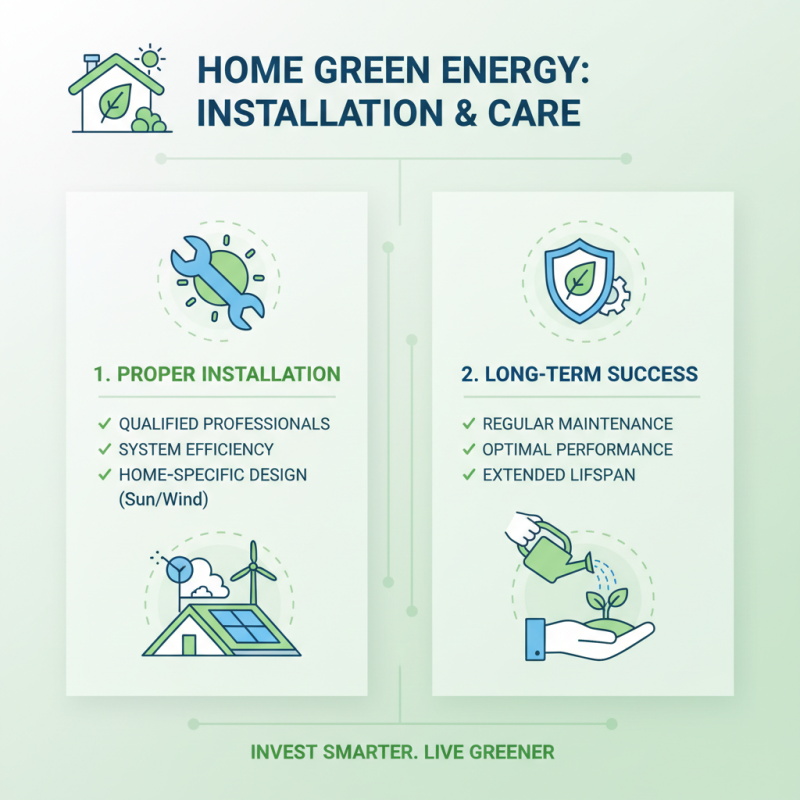
When investing in green energy solutions for your home, proper installation and maintenance play crucial roles in ensuring their long-term success. The initial installation process is often the most critical step, as it can directly influence the efficiency and effectiveness of the chosen energy system. Homeowners should take care to hire qualified professionals who understand the specifics of renewable energy technologies, whether it's solar panels, wind turbines, or geothermal systems. A proper installation should not only focus on the technical aspects but also consider the unique characteristics of the home and its surroundings, such as sun exposure or wind patterns.
In addition to a thorough installation, regular maintenance is essential for maximizing the performance of green energy solutions. Maintenance tasks may include periodic inspections, cleaning components, and monitoring system performance to identify any issues early on. Homeowners should establish a maintenance schedule based on the type of energy solution used, as different systems have varying needs. By prioritizing proper upkeep, homeowners can not only prolong the life of their systems but also optimize energy output, ensuring that they reap the maximum benefits of their sustainable investments over time.