How to Choose the Best Power Solar Solutions for Your Home in 2025
As we move towards 2025, the demand for sustainable energy solutions is rapidly increasing, prompting homeowners to explore the best power solar solutions for their specific needs. Harnessing the sun’s energy is not only an environmentally friendly choice but also a significant step toward reducing electricity bills and enhancing energy independence. However, with a myriad of options available in the market, selecting the right solar power system for your home can be a daunting task.
Understanding the key factors that influence the effectiveness of power solar solutions is essential for making an informed decision. From evaluating your home's energy consumption and roof space to assessing local solar incentives and technology advancements, each element plays a pivotal role in your solar power journey. As we delve into the considerations for choosing the optimal solar solutions, this guide aims to simplify the decision-making process, empowering homeowners to embrace the benefits of solar energy confidently. The quest for the perfect power solar solutions awaits, and with the right knowledge, you can ensure a brighter, greener future for your home.
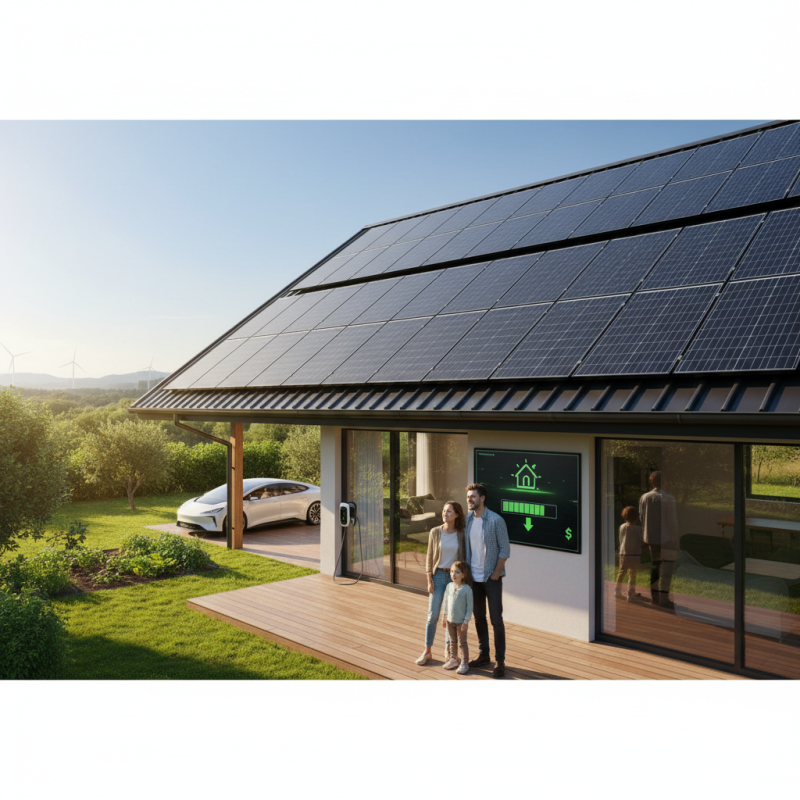
Understanding Your Home's Energy Needs for Solar Solutions
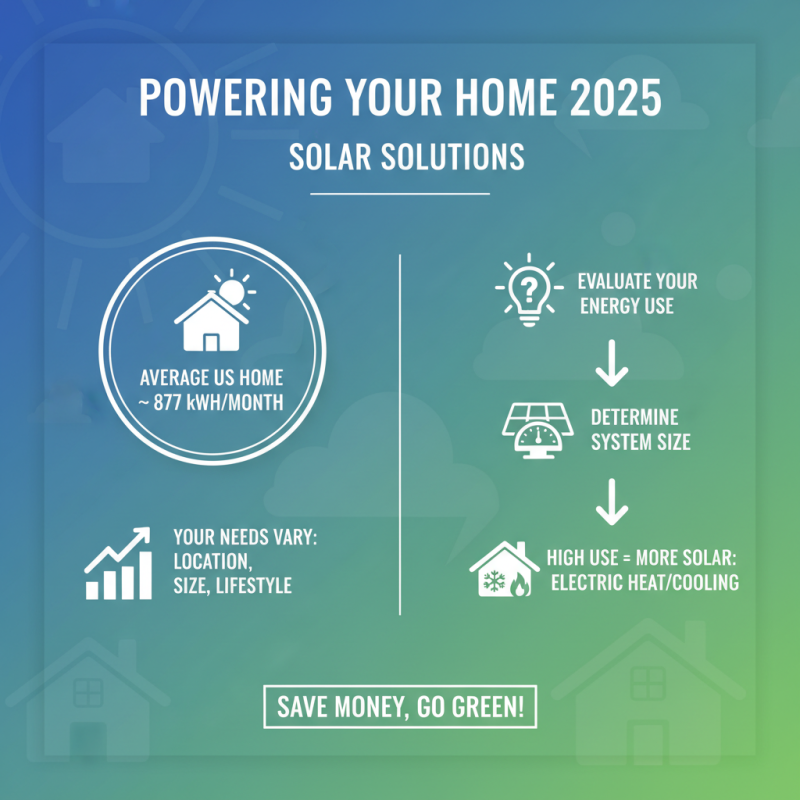
Understanding your home's energy needs is crucial when selecting the best power solar solutions for 2025. According to the U.S. Department of Energy, the average American household consumes about 877 kWh per month, with varying needs based on location, size, and lifestyle. By evaluating your energy consumption patterns, you can determine the size and capacity of the solar system required to meet your demands effectively. For example, if your household relies heavily on electric heating or cooling systems, you might notice higher energy consumption during peak seasons.
Moreover, considering future energy needs and potential efficiency improvements can provide additional insights into your solar solution. The Solar Energy Industries Association (SEIA) reports that the demand for residential solar systems is expected to grow by approximately 15% annually, highlighting the importance of scalability in your solar choice. Engaging in an energy audit can help identify areas of inefficiency in your current setup, enabling you to refine your energy requirements. With accurate data on your household's consumption, you can make informed decisions about solar technology, ensuring optimal performance and cost-effectiveness for years to come.
Types of Solar Power Systems Available for Residential Use
When choosing a solar power system for your home in 2025, it's crucial to understand the various types of solar solutions available. Primarily, there are three main types of residential solar power systems: grid-tied, off-grid, and hybrid systems. Grid-tied systems are the most common, allowing homeowners to connect directly to the local electricity grid. This setup facilitates easy access to electricity and offers the ability to sell excess power back to the grid, thereby providing potential financial benefits. According to a 2023 report by the Solar Energy Industries Association, approximately 90% of new residential solar installations in the U.S. were grid-tied, highlighting their popularity.
Off-grid solar systems operate independently from the grid and are ideal for homes in remote areas where electricity access is limited. These systems typically require a larger battery storage solution to ensure a continuous power supply. The International Renewable Energy Agency (IRENA) reported that off-grid solar solutions have seen a significant increase in deployment, especially in developing regions, due to their stability and reliability in areas with unstable or unavailable grid access. Lastly, hybrid systems combine the advantages of both grid-tied and off-grid setups, offering versatility and the potential for enhanced energy independence while still being able to connect to the grid.
When selecting a solar system, homeowners should also consider their energy needs, geographical location, and budget. Understanding the differences between these systems can ultimately help in making an informed decision that aligns with individual preferences and environmental goals.
How to Choose the Best Power Solar Solutions for Your Home in 2025
This chart illustrates the efficiency of various types of solar power systems available for residential use in 2025. Understanding these efficiencies can help homeowners make informed decisions when selecting solar solutions for their needs.
Evaluating the Cost and Benefits of Solar Power for Homeowners
When considering solar power solutions for your home in 2025, evaluating the costs and benefits is crucial for making an informed decision. According to the Solar Energy Industries Association, the average cost of solar panels has dropped by about 70% since 2010, making it more accessible for homeowners. In 2022, the average cost of a residential solar system was around $3 per watt, and with further advancements, this cost is projected to decrease, enhancing financial viability for consumers. The installation of solar systems can lead to substantial savings on electricity bills, with homeowners typically saving between $10,000 to $30,000 over 20 years, depending on their location and energy usage.
In addition to financial savings, the environmental benefits of solar energy cannot be overlooked. A report from the National Renewable Energy Laboratory indicates that increasing solar adoption could reduce carbon dioxide emissions by over 1.5 billion metric tons per year by 2030, contributing significantly to the fight against climate change. Homeowners are increasingly motivated not only by economic factors but also by the desire to contribute to sustainability. Furthermore, many states offer incentives such as tax credits and rebates that can significantly reduce the initial investment cost.
With these factors in mind, homeowners can evaluate the long-term benefits of integrating solar power into their energy solutions for a greener and more cost-effective future.
Factors to Consider When Choosing Solar Panel Brands and Models
When choosing solar panel brands and models for your home in 2025, there are several crucial factors to consider. First, examine the efficiency ratings of various panels. Higher efficiency means more energy production from the same amount of sunlight, translating to better performance and savings on your electricity bills. It's essential to compare the efficiency of different brands to find a solution that meets your energy needs without occupying excessive space on your roof.
Another important factor is the durability and warranty offered by solar panel manufacturers. Panels should have a long lifespan, typically around 25 years or more, and a robust warranty duration can protect your investment. It's wise to look for products that use high-quality materials, as these will withstand weather conditions and maintain performance over time. Additionally, consider the company's reputation by researching customer reviews and performance ratings, as this will give you insight into reliability and service quality. Taking these elements into account will help ensure you make an informed decision that enhances your home’s energy efficiency for years to come.
Exploring Incentives and Financing Options for Solar Installation
When considering solar installation for your home in 2025, understanding the various incentives and financing options available is crucial. Federal and state programs often provide tax credits that can significantly reduce the upfront cost of solar panels. For instance, you may qualify for incentives that allow you to deduct a percentage of the installation cost from your federal taxes. Additionally, many states have their own rebate programs, which can further enhance affordability. Researching local utility companies may also yield beneficial incentives, such as net metering, which allows you to earn credits for excess energy your system generates.
Tips: Investigate various financing options like solar loans or power purchase agreements (PPAs). A solar loan enables you to take ownership of the system, potentially leading to significant savings over time, while a PPA allows you to pay for the power generated without incurring the initial installation cost. Both options come with their own set of benefits, so it’s important to assess your financial situation and energy needs carefully.
Another aspect to consider is the option of leasing solar panels. This could provide a low-cost entry into solar energy, as many leasing companies offer little or no upfront payments. However, it’s essential to read the fine print and understand the terms, including how long you'll be locked into the agreement and what happens if you decide to move. By comparing these options, you'll be better equipped to make an informed decision that aligns with your financial goals and sustainability aspirations.