2026 How to Choose the Best Solar Power Solutions for Your Home?
Choosing the best solar power solutions for your home can feel overwhelming. According to Dr. Emily Johnson, a leading expert in renewable energy, “The right solar power solutions can turn your home into a self-sustaining energy source.” Her insights underline the importance of careful selection.
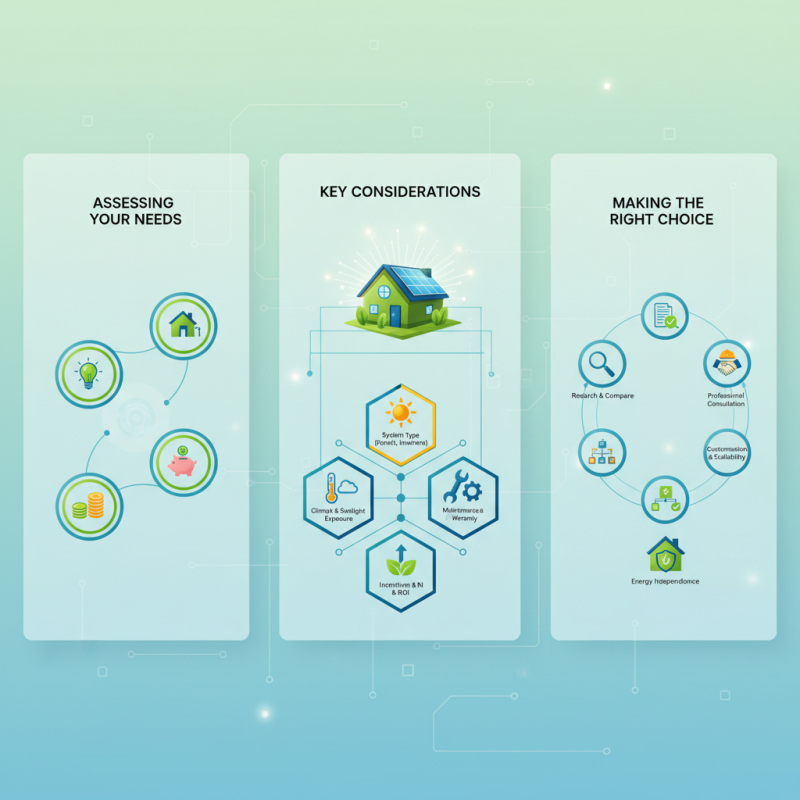
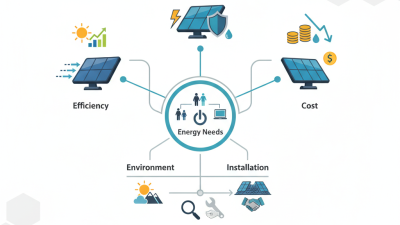
Many homeowners struggle to navigate the various options available. Factors such as energy needs, roof conditions, and budget are critical. Each component plays a role in the effectiveness of solar power solutions. Understanding these elements is key to making an informed decision.
Sometimes, even with the best intentions, mistakes happen. You might misjudge your energy usage or overlook maintenance costs. Reflecting on these details can lead to better choices. Ultimately, the goal is to embrace energy independence. Finding the perfect solar power solutions requires patience and consideration.
Understanding Solar Power Options for Residential Use
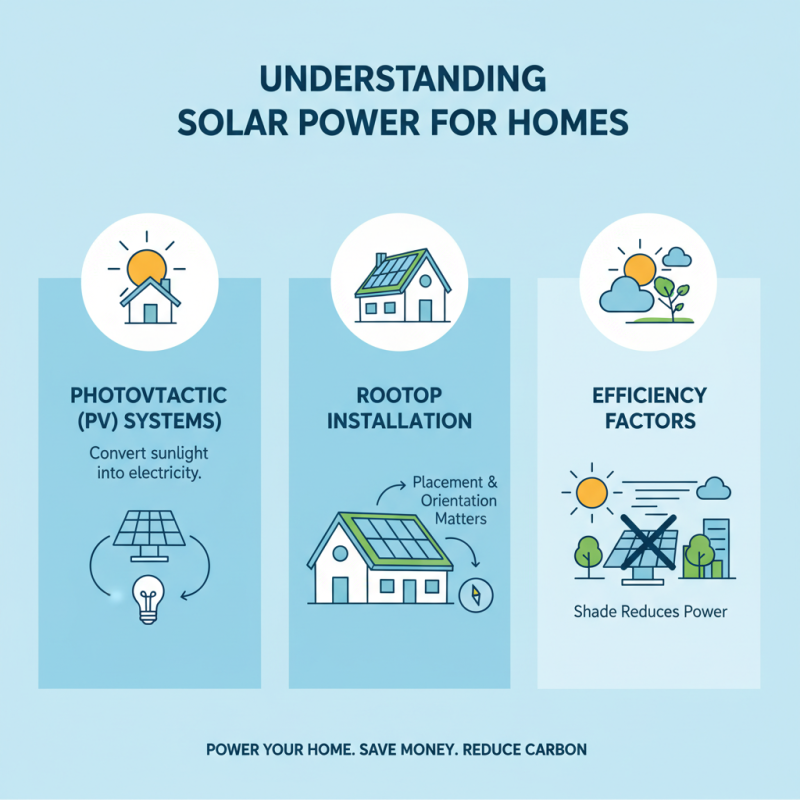
When considering solar power options for residential use, homeowners have various choices. Photovoltaic (PV) systems capture sunlight and convert it into electricity. They are often installed on rooftops. The placement and orientation of panels can greatly affect efficiency. Shade from trees or buildings can reduce power generation.
Another option is solar thermal systems. These use sunlight to heat water for domestic use. They are powerful for hot water needs but may require space for collectors. Homeowners often overlook the maintenance aspect. Regular cleaning of solar panels is essential for optimal performance. Without it, efficiency can dwindle over time.
Some may want to explore battery storage. This allows for excess energy to be saved for later use. The initial investment can be significant, and battery longevity is a concern. Also, energy needs should be assessed carefully. Overestimating can lead to wasted resources and money. Making informed choices about solar options can lead to sustainable energy solutions.
Evaluating Energy Needs and Consumption Patterns
When choosing solar power solutions, evaluating your energy needs is crucial. Start by analyzing your monthly energy consumption. Look at your electricity bills over the past year. Spot any patterns in usage. This data is essential for understanding what you actually consume.
Consider your home’s energy habits. Do you use more power during the day or night? Are there specific appliances that draw significant energy? These details help in sizing your solar system. Remember, the goal is to produce enough energy while considering future changes in your life. Adding new appliances or expanding your family can alter your needs.
Reflect on the discrepancies in your consumption. Sometimes, habits lead to excessive waste. Are there areas for improvement? Simple changes, like using energy-efficient bulbs, can reduce demand. This not only affects your solar needs but can also lower your bills. Balance your energy consumption with your solar goals for an efficient home energy solution.
Comparing Different Types of Solar Panels and Systems
When choosing solar panels, the type plays a crucial role. Monocrystalline panels are known for their efficiency. They take up less space and work well in low-light conditions. However, they can come with a higher price tag. The aesthetic appeal is another factor. Some homeowners prefer sleek, black panels over blue ones.
Polycrystalline panels are often more affordable. They are less efficient and occupy more space. Yet, they offer a good balance between cost and performance for larger homes. Thin-film panels present another option. They are lightweight and flexible. However, their efficiency is typically lower, which may lead to more frequent replacements.
Assessing your home's energy needs is essential. Some systems might not match your requirements, leaving you with unexpected costs. Reflect on your budget and long-term goals. Are you ready to invest for greater returns down the line? Choosing the right system involves careful thought about efficiency, space, and aesthetics. Each type has its pros and cons. A little reflection can lead to a more informed decision.
Comparison of Different Types of Solar Panels
The above bar chart compares the efficiency of various types of solar panels commonly used in residential solar power solutions. Monocrystalline panels showcase the highest efficiency, followed by bifacial, polycrystalline, and thin-film panels.
Selecting a Reliable Installer and Service Provider
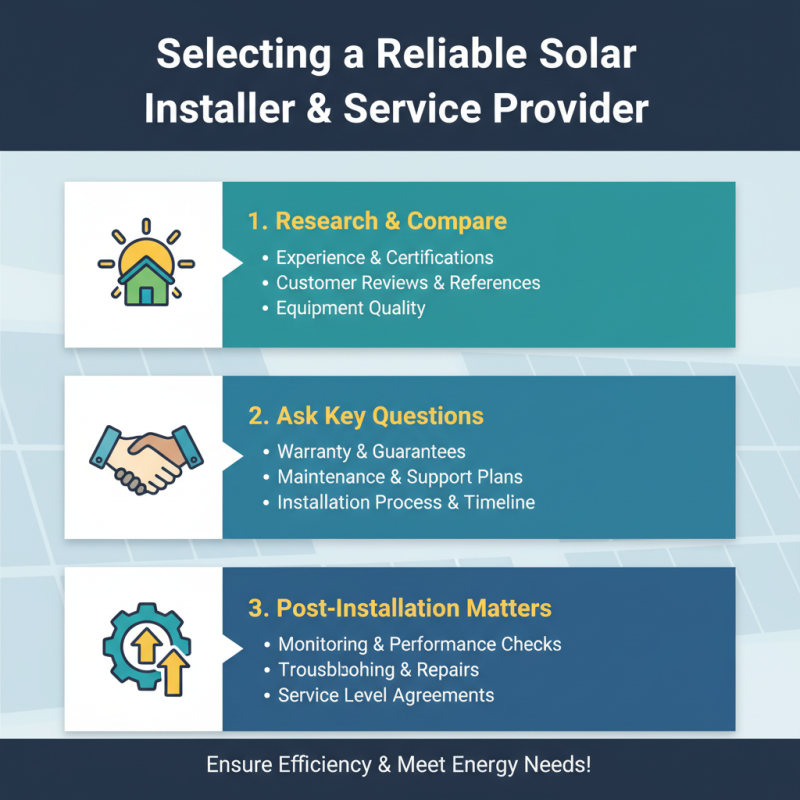
Choosing a solar power solution for your home requires careful consideration. One of the most critical steps is selecting a reliable installer and service provider. A good installer ensures your system runs efficiently and meets your energy needs.
Look for experienced installers in your area. Check their certifications and customer reviews. A solid track record demonstrates reliability. Ask for references and speak to past customers. Their experiences inform your choice. Don't rush into a decision. You want to feel comfortable and confident with your provider.
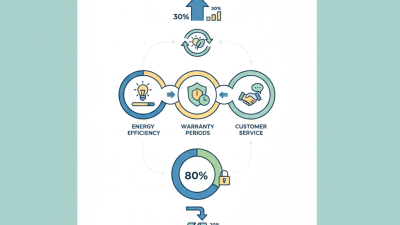
Tips: Ensure the installer conducts a thorough site assessment. They should evaluate your roof's structure, shading, and energy consumption. This assessment informs the best solar solution. Also, inquire about warranty options. A good warranty shows the installer stands by their work.
Trust is vital in this process. If something feels off, reflect on your instincts. Sometimes, the best choice isn't the cheapest. Consider service quality over price. A few extra dollars now can save you more later.
Assessing Costs, Incentives, and Financial Options for Solar Power
Investing in solar power can transform your home. However, understanding the costs is crucial. Installation fees can vary widely. On average, you might pay between $15,000 to $30,000. This can feel overwhelming, but look for available incentives. Federal tax credits can significantly reduce the initial price. Some states also offer rebates that further lower costs.
Financial options are vital to consider. Many homeowners benefit from solar loans or leasing. These options often have lower upfront costs. A lease allows you to pay only for the power produced without owning the system. However, this means forgoing potential tax credits. It’s essential to weigh the long-term benefits against immediate savings. Some people end up regretting rushed decisions.
Make sure to research thoroughly. Evaluate your energy needs before choosing a system. A thorough energy audit can help identify your consumption. Excess energy produced can sometimes generate extra income. Selling back to the grid can be rewarding. Yet, not all regions have favorable buy-back rates. Remember, each choice has its pros and cons. Reflect on what works best for your situation.