Why Choose China Silk Fabric for Your Next Project?
When considering fabrics for your next project, **China Silk Fabric** stands out for numerous reasons. This luxurious material is renowned for its smooth texture and vibrant colors. It has been cherished for centuries, appreciated by designers and artisans alike. The allure of silk from China lies in its long tradition of craftsmanship and quality.
China Silk Fabric offers a unique combination of elegance and durability. It drapes beautifully, making it ideal for clothing, accessories, and home décor. The fabric breathes well, ensuring comfort even in warmer climates. While it can be more expensive than other fabrics, its longevity often justifies the investment.
However, working with China Silk Fabric does come with challenges. Its delicate nature requires careful handling and specific washing instructions. Some may find the learning curve steep when it comes to sewing and maintaining this fabric. Yet, the stunning results can make the effort worthwhile. Embracing its beauty may lead to a rewarding and impactful project.
The Unique Qualities of China Silk Fabric
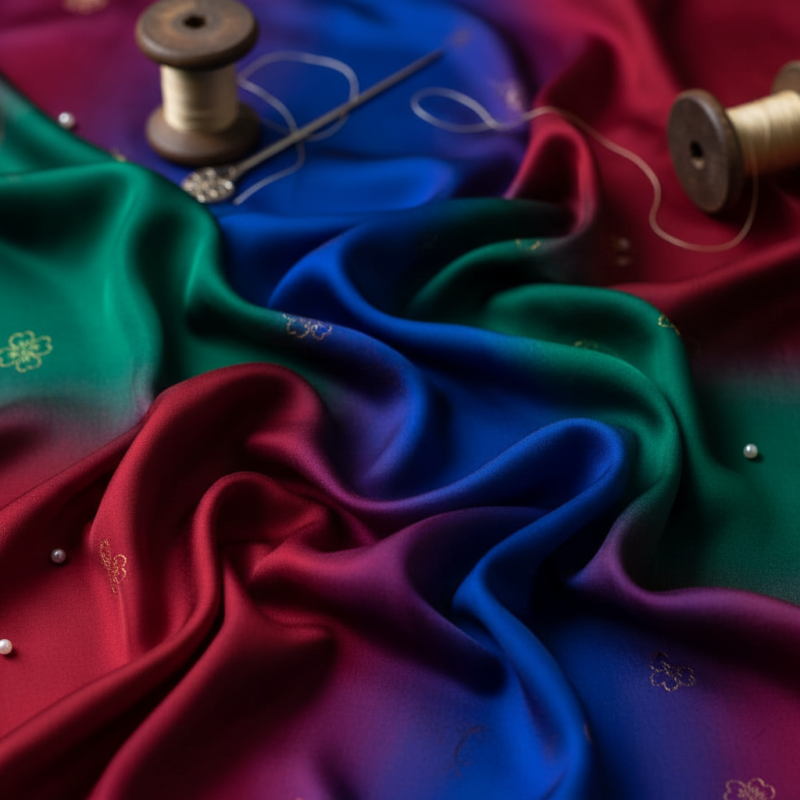
China silk fabric is renowned for its distinctive qualities. Its smooth texture and vibrant colors make it a favored choice among designers. The lightweight nature of silk allows for elegant draping in garments, while its softness enhances comfort. This luxurious fabric breathes well, making it suitable for various climates.
When working with silk, consider the care it requires. Handwashing is preferable. Avoid harsh detergents that can damage the fibers. It's vital to test any cleaning method on a small area first. The tendency of silk to wrinkle can be a drawback. Use a steamer to remove creases gently.
Silk's natural sheen adds a touch of sophistication, but it can be challenging to dye. If you want to create custom colors, seek professional assistance. Taking these factors into account will ensure your next project with China silk fabric showcases its unique beauty effectively.
Why Choose China Silk Fabric for Your Next Project? - The Unique Qualities of China Silk Fabric
| Quality | Description | Uses | Care Instructions |
| Softness | China silk is renowned for its luxurious softness, providing a comfortable feel against the skin. | Clothing, Linings, Accessories | Dry clean or hand wash in cold water. |
| Shine | The natural sheen of silk gives fabrics a high-end, elegant appearance. | Evening gowns, Bridal wear, Home décor | Avoid direct sunlight to preserve shine. |
| Breathability | Silk's natural fiber allows for air circulation, making it ideal for various weather conditions. | Summer dresses, Sustainable fashion, Sleepwear | Hand wash with mild detergent; avoid twisting. |
| Durability | While delicate in appearance, silk is strong and can withstand everyday use if cared for properly. | High-quality garments, Upholstery, Curtains | Store in a cool, dark place to prevent damage. |
Historical Significance of Silk in Chinese Culture
Silk has a deep-rooted significance in Chinese culture. Its history dates back thousands of years. Once known as “the fabric of emperors,” silk symbolizes prosperity and elegance. The production began during the Neolithic period, influencing trade and culture along the Silk Road. This ancient route connected East and West, showcasing silk's importance in global trade.
Today, silk remains a cherished material in China. It is used in traditional clothing, art, and even modern fashion. Festivals often feature silk garments adorned with intricate patterns. The process of silk weaving reflects artistry and craftsmanship. Local artisans often struggle to maintain these age-old techniques.
Silk's role extends beyond mere fabric. It embodies stories of history, unity, and artistry. Choosing silk for projects can evoke a connection to this rich heritage. Yet, it’s essential to address challenges in maintaining quality craftsmanship. Embracing silk means respecting tradition while adapting to contemporary needs.
Advantages of Using Silk for Various Projects
Silk fabric from China is an excellent choice for diverse projects. Its unique properties provide significant advantages. According to a report by the International Silk Association, silk has a tensile strength that rivals steel. This strength makes it durable while maintaining a soft texture. Using silk in garments can elevate comfort and longevity.
Silk's natural sheen is unmatched. This luster makes it popular for high-end fashion and home decor. The ability to dye silk in vibrant colors enhances its appeal for artistic projects. Studies show that textiles made from silk have a lower environmental impact than synthetic alternatives. Choosing silk can align with sustainable practices.
Additionally, silk regulates temperature effectively. It keeps you warm in winter and cool in summer. This natural quality makes silk suitable for sleepwear and bedding. Some artisans note challenges in working with silk, as it requires specific sewing techniques. Mistakes can easily happen, leading to waste. However, the benefits often outweigh these learning curves.
Comparative Analysis: China Silk vs. Other Fabrics
When considering fabrics, China silk stands out for its unique qualities. Compared to cotton, silk is softer and has a natural sheen. This luster enhances the visual appeal of any garment. Additionally, silk drapes beautifully. It flows and moves with grace, providing an elegant look that other fabrics often lack.
However, it's essential to acknowledge that silk requires careful maintenance. Unlike synthetic fabrics, it can be delicate and sensitive to stains. Choosing silk may not be suitable for every project, particularly those subject to rough wear. Furthermore, silk’s price point is typically higher than cotton or polyester. This could affect budget decisions.
In contrast, cotton is more affordable and easier to care for. It's durable and breathable, making it a popular choice for everyday wear. Yet, it doesn't have the same luxurious feel as silk. Each fabric presents unique challenges and advantages. A thoughtful selection process can lead to stunning results. Understanding these differences is crucial for any crafting endeavor.
Sustainable Practices in China Silk Production
China silk has gained recognition for its sustainable practices in production. The process begins with mulberry tree cultivation, using natural farming methods. These trees provide leaves for silkworms, which are crucial for silk production. Farmers often use organic fertilizers, which enhance soil health and biodiversity. This approach reduces chemical runoff and promotes ecological balance.
The water usage in silk production is another aspect worth noting. Chinese silk farms often utilize rainwater and traditional irrigation techniques. These methods help conserve water compared to industrial practices. However, challenges remain. Some farms might still rely on more resource-intensive practices that can harm the environment. This points to the need for continued improvement and advocacy in sustainable methods.
Though China silk is celebrated for its craftsmanship, there are concerns about labor conditions. Producers must prioritize fair treatment of workers to truly embody sustainability. Educating consumers about these issues can drive change in the industry. As demand for ethically made products rises, the future of China silk may align more closely with sustainable values.
Reasons to Choose China Silk Fabric for Sustainability