2026 How to Choose Effective Green Renewable Energy Solutions?
The shift towards sustainable energy is crucial as global energy demand rises. According to the International Energy Agency (IEA), renewable energy sources will account for 30% of global electricity generation by 2026. Choosing effective green renewable energy solutions is essential for businesses aiming to reduce carbon footprints and achieve sustainability goals.
Industry experts emphasize the importance of this selection process. Dr. Emily Lawson, a renowned expert in renewable energy, states, "Investing in green renewable energy solutions is not just a trend; it's a necessity for a sustainable future." However, companies often face challenges in identifying the right technologies and strategies. With numerous options available, the wrong choice can lead to wasted resources and missed opportunities.
It's vital to consider various factors when selecting these energy solutions. Assessing local regulations, technological advancements, and project feasibility can be daunting. Additionally, companies must reflect on their unique needs to avoid common pitfalls. Thoughtful planning and informed decisions are key to unlocking the full potential of green renewable energy solutions.
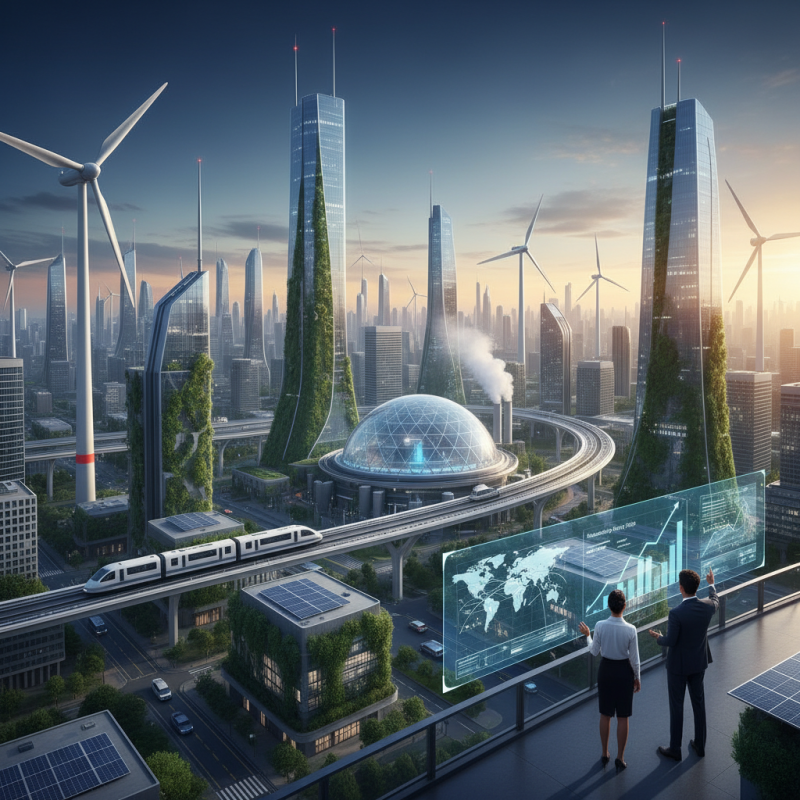
Understanding the Importance of Green Renewable Energy Solutions
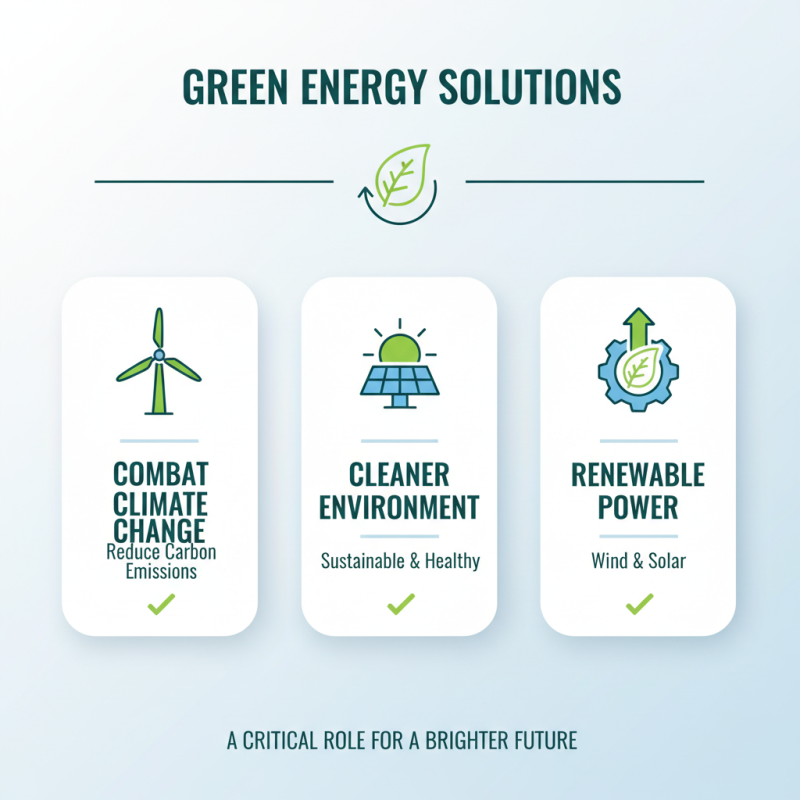
The importance of green renewable energy solutions cannot be overstated. They play a critical role in reducing carbon emissions and combating climate change. Green energy sources, like wind and solar, are more sustainable than fossil fuels. They contribute to a cleaner environment and promote public health.
When selecting effective energy solutions, consider practicality. For example, solar panels are great for sunny areas but may not perform well in cloudy regions. Wind turbines need open spaces and consistent wind. Each option has its strengths and weaknesses. A thorough assessment of local conditions is essential.
Tips: Always evaluate your energy needs first. Identify the best options based on available resources. Start small. Some solutions may require upfront investment but can save money in the long run. Remember, adopting green energy isn't always perfect. Some technologies may not meet all expectations. This can lead to frustration. Learn from these challenges and adapt your approach accordingly. The journey toward a greener future is ongoing.
Identifying Different Types of Renewable Energy Sources
Choosing the right renewable energy source is crucial for sustainability. Several options are available today, each with its own benefits and drawbacks. Solar power harnesses sunlight. It can be installed on rooftops or in large fields. It is often seen as the most accessible choice. However, it requires significant space and can be less effective in cloudy areas.
Wind energy is another popular option. It relies on turbines to convert wind into electricity. Many countries are investing in wind farms. Yet, wind energy depends on geographic conditions. Some regions may not have consistent wind patterns. This inconsistency can lead to unpredictability in energy production.
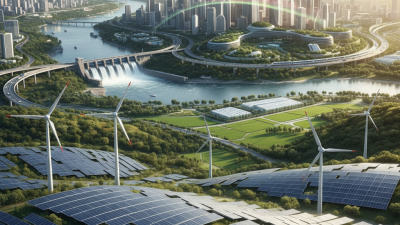
Hydropower uses flowing water to generate electricity. It can be an effective and reliable source in suitable locations. However, building dams can disrupt local ecosystems. Environmental impact should always be a consideration. Geothermal energy taps into the Earth’s heat, but it is location-specific. Each renewable source comes with unique challenges. Careful evaluation is necessary to find the best fit.
2026 Green Renewable Energy Solutions: Types and Effectiveness
This chart displays the effectiveness of different renewable energy sources based on their contribution to global energy production in 2026.
Evaluating the Effectiveness of Renewable Energy Technologies
Evaluating the effectiveness of renewable energy technologies is crucial in 2026. Data shows that solar power generation has been growing steadily. In 2021, solar energy accounted for about 3% of global electricity generation. While promising, the conversion efficiency of solar panels remains challenging, often averaging around 15% to 20%. This means a large area is needed for significant output. Researchers are working on improving these rates, but the progress is slow.
Wind energy also has potential. It is expected to contribute 20% of global electricity by 2030, according to a recent industry report. However, wind farms can face opposition due to their visual and noise impact. Site selection is critical, as not all locations yield the same power. Some projects have failed due to poor location choices, highlighting the need for careful planning and community engagement.
Not all renewable technologies are equal. Biomass, for example, can produce energy but often causes
deforestation. This trade-off requires reflection on sustainability. We must rethink our approach to energy solutions, focusing on both efficiency and ecological impact. Effective evaluation incorporates real-world scenarios and long-term effects on the environment and society.
Assessing the Economic Viability of Renewable Energy Solutions
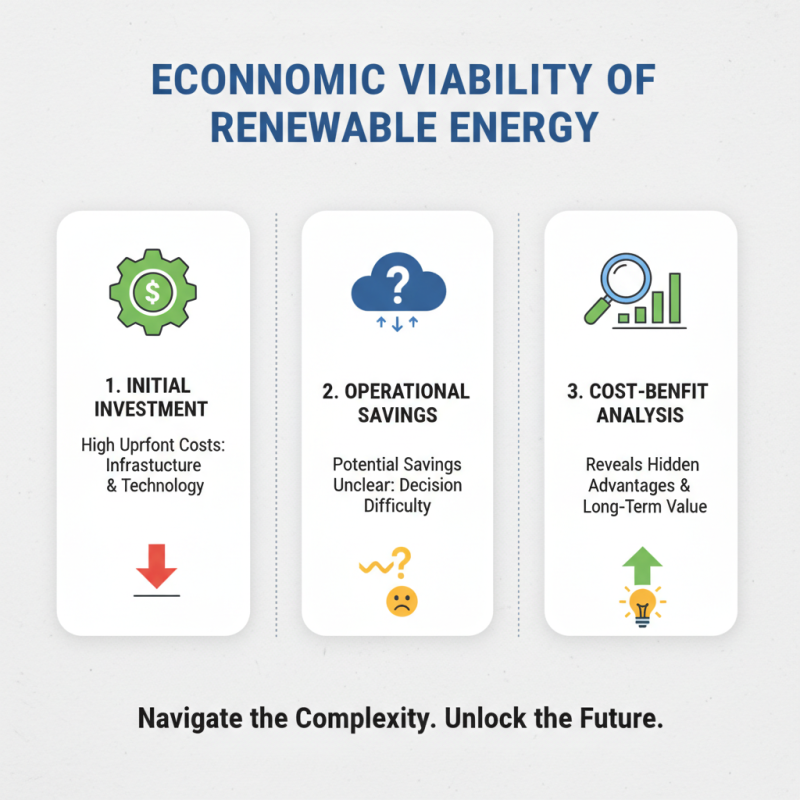
When assessing the economic viability of renewable energy solutions, it’s crucial to analyze various factors. The initial investment can be substantial. Infrastructure and technology costs often deter investment. Potential savings in operations can be unclear, making the decision harder. A detailed cost-benefit analysis can illuminate hidden advantages.
Market dynamics also play a role. Energy prices fluctuate and can impact profitability. The future of fossil fuels is uncertain. Yet, renewable sources show promise for stability. Therefore, a focus on long-term trends is essential. Local policies can either encourage or hinder investments, creating a complex landscape.
It’s also important to consider the environmental impact, alongside financial aspects. Some solutions may seem economical but have hidden environmental costs. Community reception can differ significantly; local resistance can jeopardize projects. Understanding public sentiment is key to navigating these challenges. Balancing economic viability with ecological responsibility often requires re-evaluation.
Implementing Renewable Energy Solutions in Your Community
Implementing renewable energy solutions in your community is an essential step towards a sustainable future. Start by assessing local needs. Gather input from residents about their energy concerns. Some may favor solar panels, while others want wind turbines. Their feedback is crucial for successful implementation.
Next, explore funding options. Grants and community programs can ease financial burdens. However, navigating these can be complex. Be prepared for setbacks and delays. It's normal to face challenges, such as meeting community expectations or dealing with bureaucracy. Learning from these experiences can lead to better outcomes.
Finally, consider education. Host workshops to teach residents about renewable energy benefits. Share success stories from other communities. However, be transparent about potential drawbacks. Sometimes, renewable solutions may not be perfect for everyone. Open discussions can build trust and foster a community spirit dedicated to green energy.