How to Choose the Best Home Energy Storage Solutions for Your Needs?
Choosing the right home energy storage solutions can significantly impact your lifestyle and budget. With the increasing reliance on renewable energy sources, understanding these systems is vital. Home energy storage solutions allow you to harness solar power during the day and utilize it when needed. They enhance energy independence, reduce bills, and provide backup power during outages.
However, many encounter confusion while selecting the best products. There are numerous options, such as lithium-ion batteries and lead-acid systems. Each option has its advantages and limitations. Evaluating the size, capacity, and cost is essential, yet it can be overwhelming. As technology evolves, some features may become obsolete quickly. Additionally, support and maintenance requirements vary significantly among different solutions.
Reflecting on your energy needs is crucial. Consider factors like your usage patterns and future energy goals. Investing in home energy storage solutions isn't just about today; it's about preparing for tomorrow. Despite the progress, challenges remain, and the perfect solution may not exist. Regular updates and research will help navigate this energy landscape.
Understanding the Different Types of Home Energy Storage Systems
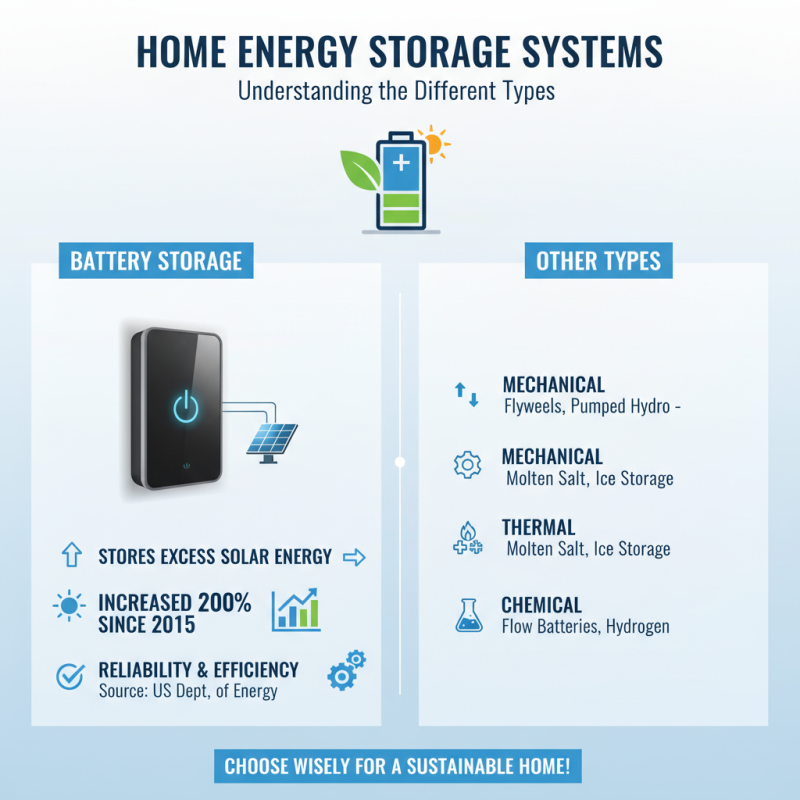
When choosing a home energy storage system, it’s essential to understand the different types available. Battery storage systems dominate the market. These systems allow users to store excess energy from solar panels. According to the U.S. Department of Energy, battery storage capacity has increased by over 200% since 2015. This trend indicates growing reliability and efficiency.
Another option is pumped hydro storage. It uses water stored in elevated reservoirs. While effective, it is less common for residential use due to significant space and infrastructure requirements. Flywheel energy storage systems are another emerging technology. They store energy in a rotating mass, providing quick energy release. Yet, their initial cost can be daunting for many households.
Tips: Assess your energy needs carefully. Know your daily consumption and peak usage times. Also, consider future home energy needs. If you plan to expand your solar capacity, select a system that allows easy scalability. Lastly, review your local regulations. Some areas have incentives for specific storage solutions, impacting your choice and investment. Reflect on your actual usage patterns; sometimes, less might be more efficient.
Evaluating Energy Storage Capacities: Key Metrics and Considerations
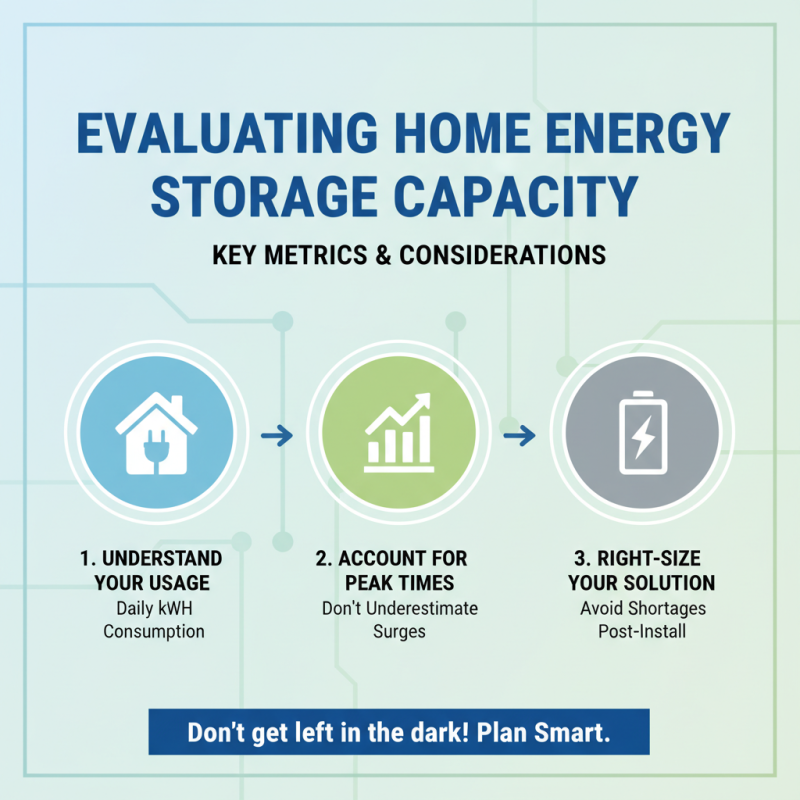
When selecting the right home energy storage solution, evaluating capacity is crucial. Start by understanding your energy consumption patterns. How much energy do you use daily? It's common for homeowners to underestimate their needs. Many face energy shortages after installation because they didn’t account for peak usage times.
Consider the kilowatt-hour (kWh) ratings of different systems. This metric indicates how much energy the system stores. Higher capacity means more energy. However, larger systems may also require more space and higher initial costs. It’s essential to balance capacity with your available budget and physical space. Some systems might also offer expandable options, which can be a thoughtful consideration for future energy needs.
Look closely at the efficiency ratings as well. This figure shows how much of the stored energy can be used effectively. If a system has a lower efficiency, you'll lose more power during usage. Reassessing your energy requirements every few months can prevent regrets later. Many users find themselves wishing for greater capacity as their energy needs evolve. Therefore, thoughtful evaluation of capabilities is vital in choosing an ideal energy storage solution.
Assessing Cost-Effectiveness and Return on Investment for Storage Solutions
When evaluating home energy storage solutions, cost-effectiveness is crucial. Start by analyzing purchase costs, installation fees, and maintenance expenses. Many systems require a substantial upfront investment. However, long-term savings on energy bills can offset these initial expenses. It's essential to consider local electricity prices as well. If energy costs are high, you may see quicker returns.
Return on investment varies by system type and energy usage patterns. Calculate potential savings from selling excess power back to the grid. Look for incentives or rebates that might apply. These factors can make a significant difference in overall costs. Yet, not all solutions will be equally beneficial for every household.
Reflecting on each option's performance is necessary. Some systems may underperform, and that can lead to regrets. Regularly review your energy needs and usage habits. A solution that worked last year may not fit your current lifestyle. Keep in mind that technology evolves, and newer options might be available. This constant change in market dynamics makes it essential to stay informed.
How to Choose the Best Home Energy Storage Solutions for Your Needs?
| Solution Type |
Capacity (kWh) |
Cost ($) |
Efficiency (%) |
Estimated ROI (Years) |
| Lithium-ion Battery |
10 |
7,000 |
90 |
5 |
| Lead-acid Battery |
5 |
3,000 |
80 |
7 |
| Flow Battery |
20 |
15,000 |
75 |
10 |
| Saltwater Battery |
10 |
5,500 |
85 |
6 |
| Nickel-Cadmium Battery |
8 |
4,500 |
78 |
8 |
Exploring Integration with Renewable Energy Sources and Smart Home Technology
Integrating renewable energy sources like solar panels into your home is a smart move. Solar energy can significantly lower your utility bills. However, the challenge remains: how to store that energy effectively? Home energy storage solutions must match your energy consumption needs. This is where careful planning comes into play.
Smart home technology greatly enhances energy management. With the right sensors and smart meters, you can monitor your energy usage in real time. This data helps you understand when to store energy and when to use it. But not all storage systems seamlessly integrate. Some may require additional equipment or software updates. This can lead to unexpected costs.
Additionally, while pursuing energy independence, consider how much energy you need daily. Assess your household's peak usage times. Perhaps the system you choose is too small or too complex for your needs. The goal is efficiency. Reflect on your choices and their long-term benefits. A well-planned integration of renewable energy sources and smart technology can lead to significant savings. Yet, without proper evaluation, your investment may not deliver the expected results.
Identifying Regulatory Incentives and Financial Assistance for Home Storage
When considering home energy storage, financial incentives can significantly influence your choice. Many regions offer rebates or tax credits for installing energy storage systems. These incentives can reduce initial costs, making it more feasible for homeowners. However, not everyone is aware of these programs. It’s essential to research local regulations and state-specific incentives. Some utility companies also provide rewards for reducing energy consumption during peak hours.
Understanding eligibility is crucial. Check if your property qualifies for any financial assistance. Some programs have strict requirements that might surprise you. For example, households using renewable energy sources may get a larger rebate. However, the paperwork can be complicated. Miscommunications often arise, leading to missed opportunities. It’s wise to consult local energy boards. They may provide guidance and clarify any confusing details.
While incentives are attractive, they can vary significantly. This inconsistency may lead to difficulty when planning your budget. Look for any upcoming changes to regulations; they may impact your decision. The complexity of these financial options can feel overwhelming. Take time to analyze what works best for your home. Patience and thorough research can prevent potential pitfalls.
Home Energy Storage Solutions: Capacity and Cost Comparison