2026 How to Choose the Best Machine Safety Door for Your Needs?
In the manufacturing sector, safety is paramount. Machine Safety Doors are essential for protecting workers from hazards in automated environments. According to a recent report by the International Organization for Standardization (ISO), over 60% of workplace injuries stem from improper safeguarding. Choosing the right Machine Safety Door can significantly impact safety metrics.
Expert Jane Thompson, a safety engineer with over 15 years of experience, emphasizes, "Investing in high-quality Machine Safety Doors is not just compliance; it’s about preserving lives." This statement underlines the need for businesses to view safety not just as a requirement but as a vital investment.
Understanding different options and their applications becomes crucial. Factors like door size, material, and technology must align with specific operational needs. Each factory presents unique challenges for safety solutions. Thus, engaging with experienced professionals can help narrow down choices effectively, ensuring that every worker's safety is prioritized.
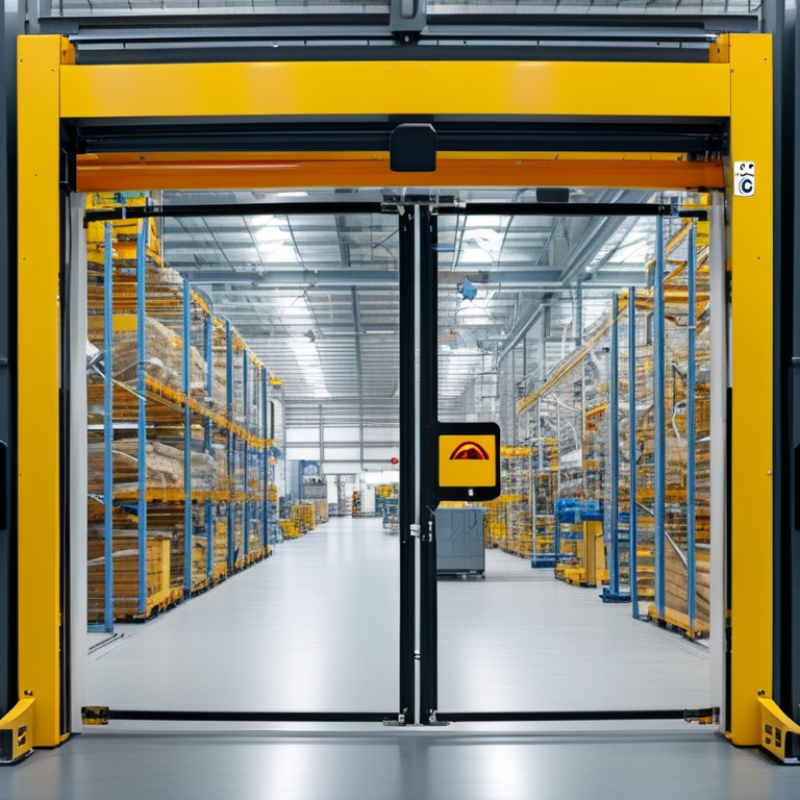
Understanding the Importance of Machine Safety Doors in Work Environments
Machine safety doors play a crucial role in ensuring safe work environments across various industries. The Bureau of Labor Statistics reported that in 2020, more than 3 million non-fatal workplace injuries occurred in the U.S., highlighting the need for better safety measures. Proper implementation of machine safety doors can significantly reduce injury risks by providing essential barriers between workers and hazardous machinery.
Data shows that nearly 30% of workplace accidents involve machinery. Safety doors act as the first line of defense, safeguarding operators and maintenance workers from exposure to dangerous moving parts. These doors often include features such as interlocks and sensors, which prevent machines from operating when doors are opened. Despite their importance, some companies overlook these safety measures, leading to potential legal and financial repercussions.
Furthermore, compliance with regulatory standards is essential. Organizations must regularly assess safety door performance and functionality. A recent survey indicated that only 40% of companies routinely evaluate their safety systems. Neglecting these assessments can leave workers vulnerable. Addressing issues related to machine safety doors should be a priority, yet it remains an area needing improvement in many workplaces.
Key Factors to Consider When Selecting a Machine Safety Door
Selecting the right machine safety door is crucial for workplace safety. The design of the door directly affects how well it can protect workers. A recent industry report highlighted that 31% of workplace injuries occur due to inadequate safety measures. Understanding key factors can help mitigate these risks.
One important factor is the material of the door. Steel and aluminum are popular choices, offering durability and strength. The right choice can prevent the door from bending under pressure. According to a study, over 45% of machinery accidents are linked to improper safety barriers. Additionally, the door's locking mechanism must be robust. A weak lock can lead to unauthorized access, increasing the likelihood of accidents.
Another consideration is visibility. Clear windows in the door can help workers monitor machine operations without entering hazardous zones. Data shows that 54% of safety incidents occur when workers are unaware of ongoing machine activity. Choosing a door design that emphasizes visibility can significantly enhance safety. It's a simple yet effective detail that shouldn’t be overlooked, despite its seeming insignificance. These factors collectively contribute to a safer working environment, emphasizing the need for careful consideration in the selection process.
Types of Machine Safety Doors and Their Specific Applications
When considering machine safety doors, it’s essential to understand the various types and their specific applications. Industrial facilities often require sliding doors due to space limitations. These doors save valuable floor space while providing quick access for personnel and equipment. They are commonly found in manufacturing plants and warehouses.
Hinged safety doors are another option. They are ideal for areas with frequent pedestrian traffic or where large equipment needs passage. These doors swing open, offering a wide entry. In addition, bi-fold doors can be useful in environments where space is a premium. They fold back on themselves, creating minimal obstruction while maximizing access.
Ultimately, the right machine safety door depends on your unique needs. Reflect on your facility's layout, the frequency of access, and the safety features required. Every operation is different. Not all doors fit every application perfectly. Consider conducting a thorough evaluation to ensure the chosen door enhances safety without hindering workflow.
Material and Durability Considerations for Machine Safety Doors
When choosing the best machine safety door, material and durability are crucial factors. Steel is often favored due to its strength and impact resistance. However, heavier materials can pose installation challenges. Consider using aluminum, which is lighter yet durable. It can withstand harsh environments, making it suitable for various industries.
In addition, the finish of the door plays a key role in longevity.
Powder coating offers excellent resistance to corrosion. This can prolong the life of your safety door significantly. Don’t overlook the potential for wear and tear in high-traffic areas. Regular inspections are vital. They help ensure the door remains in optimal condition.
Finally, think about the specific needs of your operation. Will the door face extreme temperatures or chemicals?
Understanding the environment is essential. A material that excels in one scenario may falter in another. Balancing durability with the right material is an ongoing challenge. Reflect on past experiences to make better choices in the future.
Compliance Standards and Safety Regulations for Machine Safety Doors
When selecting machine safety doors, compliance with safety regulations is crucial. Various standards exist to ensure worker safety. These standards often come from organizations that specialize in workplace safety. Understanding these guidelines can help prevent accidents.
One key aspect is the ability of the door to prevent unauthorized access. Machine safety doors should automatically close when a machine is in operation. This feature is essential for safeguarding workers. In addition, materials used in the door should be durable and capable of withstanding impacts. Many facilities overlook this, leading to potential hazards.
Regularly reviewing compliance standards ensures you stay updated on safety regulations. Engaging with industry experts can provide valuable insights. However, balancing these standards with operational efficiency can be challenging. Considerations like workflow and daily operations may conflict with strict regulations. Finding this balance is a continuous process.