Why Clean Green Energy Solutions Are Essential for a Sustainable Future
In today's world, the urgency for clean green energy solutions is more pressing than ever. Experts argue that embracing these solutions is vital for our planet's health. Dr. Emily Carter, a leading figure in renewable energy research, states, "Transitioning to clean energy is not just an option; it's a necessity for our survival."
Every day, fossil fuels contribute to climate change. This reality demands immediate action. Clean green energy can reduce our carbon footprint and promote sustainable living. Solar panels and wind turbines are not just innovations; they represent hope for a better future. Yet, the transition is riddled with challenges. Not everyone has access to clean energy sources, and the infrastructure is still developing.
Our reliance on traditional energy sources is a significant barrier. As we strive for sustainability, awareness and education become essential. It's crucial that communities understand the benefits of clean green energy solutions. While progress is being made, there’s still a long journey ahead. Reflecting on our collective responsibility is key. Achieving a sustainable future requires commitment and collaboration from all sectors.
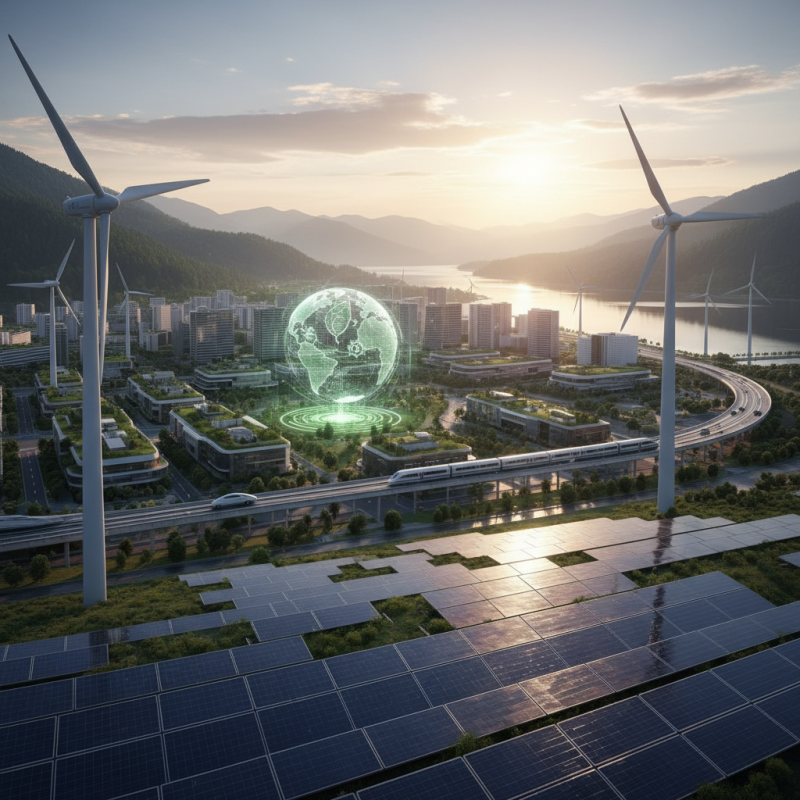
Importance of Clean Green Energy for Environmental Protection
Clean green energy solutions play a crucial role in
environmental protection. The International Energy Agency reports
that moving to renewable energy sources can cut greenhouse gas emissions significantly. In fact, transitioning could
reduce emissions by up to 70% by 2050. This shift not only
helps combat climate change but also minimizes air pollution, which contributes to respiratory diseases globally.
It's important to recognize that clean energy is not without its challenges. Many regions still rely on fossil
fuels, creating a gap in the transition. According to a recent report by the United Nations,
over 80% of global energy still comes from non-renewable sources.
This reliance hinders progress and requires urgent attention.
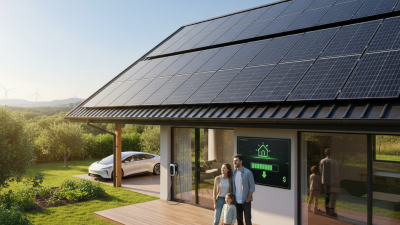
Tips: Consider adopting solar panels for your
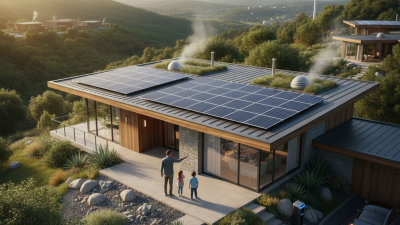
home. They can cut energy costs and reduce reliance on fossil fuels. Also, look into community renewable energy
projects. These allow for shared investment and benefits in green energy.
Small changes can lead to significant impact over time.
Economic Benefits of Transitioning to Renewable Energy Sources
Transitioning to renewable energy sources offers numerous economic benefits. Firstly, clean energy creates jobs. In solar and wind industries, employment opportunities have surged significantly. Local communities can thrive on this growth. It's a chance to foster new skills and boost local economies.
Consider this: energy bills can be reduced. Investing in renewable sources leads to long-term savings. While initial costs may seem high, they often pay off over time. Homeowners and businesses can see substantial reductions in monthly expenses. The transition to cleaner energy is not just good for the planet. It is good for wallets too.
Tips: Explore local grants for renewable projects. They can lessen upfront costs. Consider community solar programs. These initiatives allow shared access to solar energy, making it more affordable for everyone. Remember, even small changes can contribute to the bigger picture. Every little bit counts in the push for sustainability.
Economic Benefits of Transitioning to Renewable Energy Sources
Comparative Analysis of Renewable vs. Non-Renewable Energy Impacts
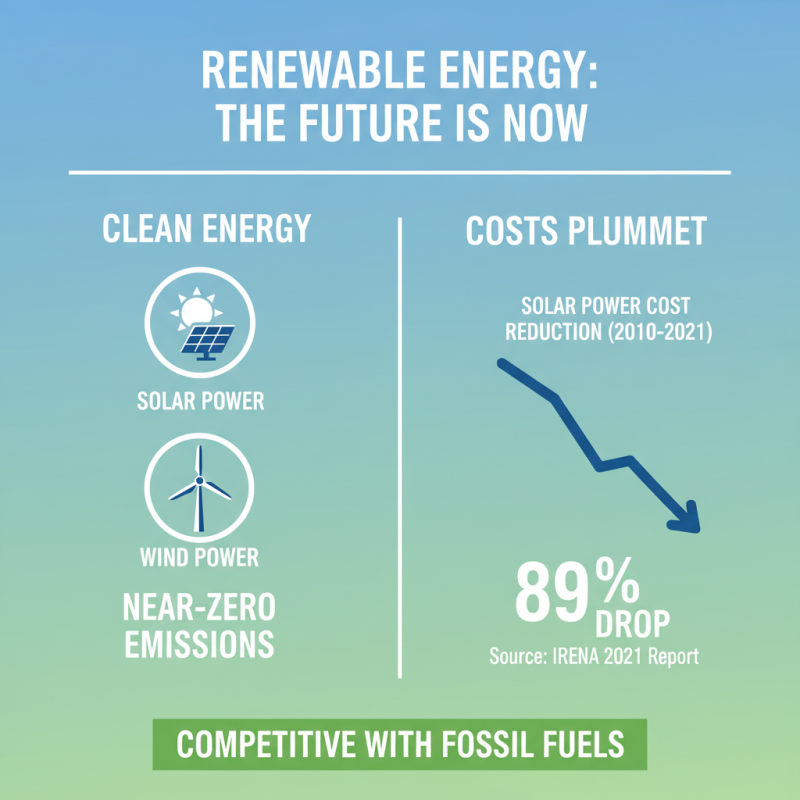
The energy debate often centers on renewables versus non-renewables. Renewable energy sources, such as solar and wind, produce little to no emissions during operation. According to a 2021 report by the International Renewable Energy Agency, solar power has seen an 89% drop in costs since 2010. This makes it increasingly competitive against fossil fuels.
In stark contrast, non-renewable sources, like coal and oil, carry hidden costs. A study from the Global Energy Monitor noted that coal plants emit significant greenhouse gases. The health risks associated with air pollution lead to an estimated 4.5 million premature deaths annually worldwide. Moreover, the extraction processes often degrade ecosystems, forcing communities to adapt to changing landscapes.
Transitioning to green solutions isn’t without challenges. Intermittent energy supply remains a concern for solar and wind. Storage technologies are not yet universally deployed. Investment in infrastructure is needed to support this shift. Remaining reliant on traditional energy sources stifles innovation and exacerbates climate change. These complexities require careful consideration and prompt action to foster a truly sustainable future.
Innovative Technologies Driving Clean Energy Solutions Forward
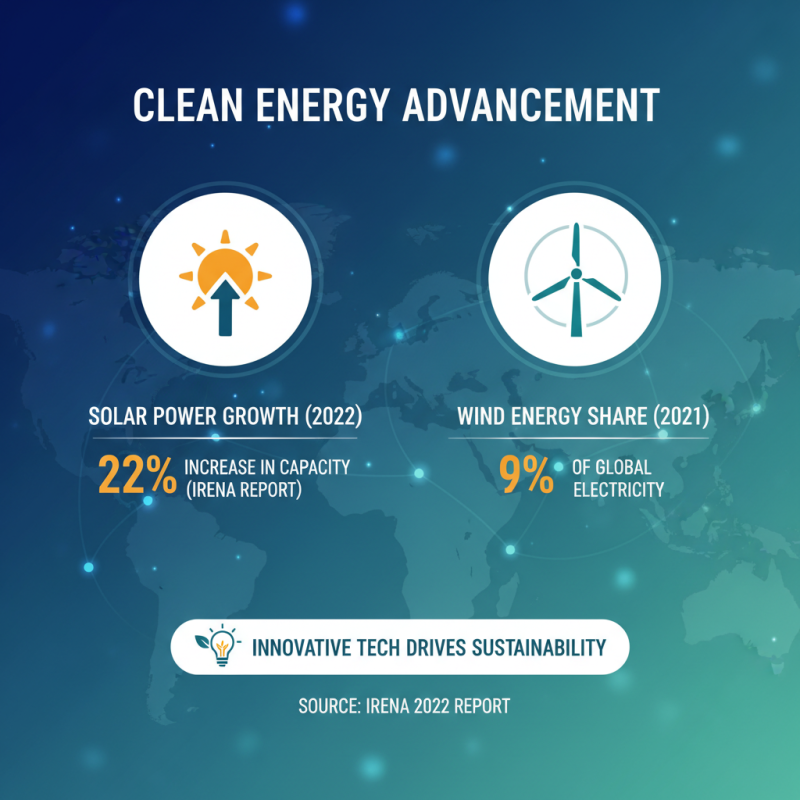
Innovative technologies are crucial for advancing clean energy solutions. According to a 2022 report by the International Renewable Energy Agency (IRENA), solar power capacity grew by 22% in just one year. This rapid growth shows promise in reducing reliance on fossil fuels. Wind energy also saw a significant rise, accounting for 9% of global electricity generation in 2021. Such figures highlight the potential for these clean technologies to reshape our energy landscape.
Despite these advances, challenges remain. Integration of renewable sources into existing grids is complex and costly. As of last year, only 30% of countries had effective policies promoting renewable energy integration. Many still rely heavily on conventional energy sources. The transition to a sustainable future is not without obstacles.
Moreover, energy storage technology must catch up. As energy demands rise, efficient storage solutions are essential. The global energy storage market is projected to reach $546 billion by 2035. However, the pace of innovation in this area can be frustratingly slow. Stakeholders must push for faster development to meet increasing energy demands sustainably.
Policy and Community Engagement in Promoting Sustainable Practices
Community engagement is vital for promoting sustainable practices. Local initiatives can drive awareness and action. For instance, community gardens provide fresh produce while fostering cooperation. These spaces empower individuals and strengthen local food systems.
Policy plays a key role in shaping our energy future. Effective regulations can encourage renewable energy adoption. Communities need to advocate for policies that prioritize sustainability. Educating citizens about these policies is crucial. Change often starts at the grassroots level, where people feel connected.
Reflecting on our efforts can reveal gaps. Not every initiative succeeds; some lack follow-through. Continual dialogue between policymakers and communities helps address challenges. Together, we can create a greener, more sustainable future.
Why Clean Green Energy Solutions Are Essential for a Sustainable Future
| Dimension |
Data Type |
Current Status |
Future Goal |
Community Engagement |
| Renewable Energy Share |
Percentage (%) |
30% |
50% by 2030 |
Educational Workshops |
| Carbon Emission Reduction |
Metric Tons |
200,000 |
Zero by 2050 |
Community Clean-Up Events |
| Energy Efficiency Programs |
Number of Initiatives |
15 |
25 by 2025 |
Local Surplus Energy Programs |
| Sustainable Transport Initiatives |
Number of Projects |
10 |
20 by 2027 |
Bike-Sharing Programs |
| Waste Reduction Programs |
Percentage (%) |
25% |
50% by 2028 |
Recycling Drives |