What is Energy Solutions for a Sustainable Future?
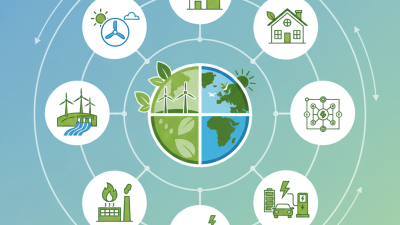
As the world grapples with climate change, the importance of energy solutions for a sustainable future has never been more critical. According to the International Energy Agency (IEA), renewable energy sources could account for 70% of global electricity by 2025. This shift toward cleaner energy is not just necessary, but also achievable. Experts argue that implementing these energy solutions can lead to significant reductions in carbon emissions and create millions of jobs.
Dr. Emily Zhao, a leading figure in sustainable energy solutions, states, “The transition to renewable energy is essential for a resilient and equitable future.” Her insights underline the necessity of adopting innovative technologies and practices. The reality is that while many advancements exist, there are still hurdles to overcome. Fossil fuel dependencies persist in various regions, complicating efforts toward sustainability.
Moreover, investment in energy solutions requires collective action from governments, businesses, and communities. Yet, the path is fraught with challenges, including energy access disparity and infrastructure limitations. Real progress will demand not just technology, but also behavioral changes and policy reform. Acknowledging these imperfections may lead to more effective approaches for a sustainable energy future.
Definition of Energy Solutions in the Context of Sustainability
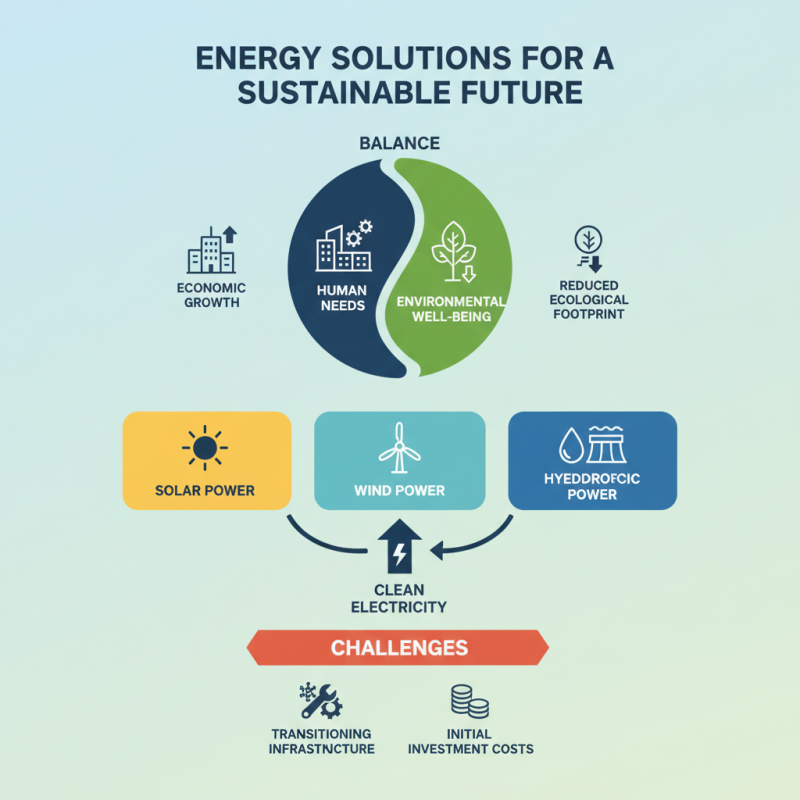
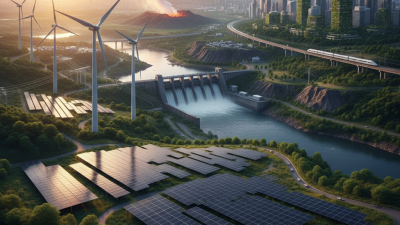
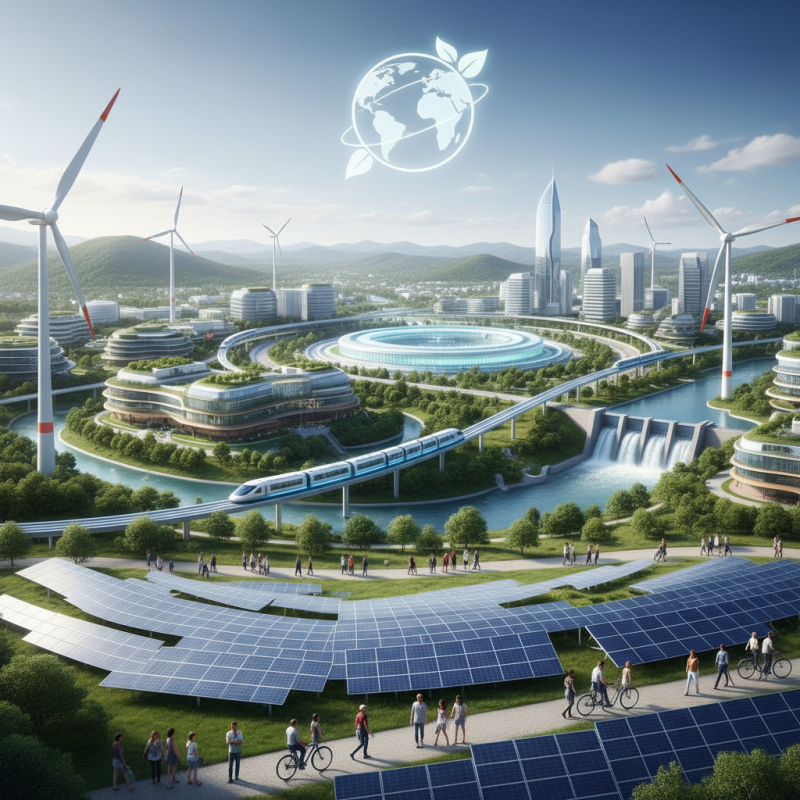
Energy solutions for a sustainable future focus on the balance between human needs and environmental well-being. At its core, energy solutions aim to reduce our ecological footprint while supporting economic growth. This involves using renewable resources like solar, wind, and hydroelectric power. These sources are abundant and can generate clean electricity. Yet, transitioning to these alternatives is not without challenges.
Implementation often faces obstacles. Infrastructure for renewable energy can be costly. Many regions still rely heavily on fossil fuels due to established habits. Additionally, public awareness of sustainable practices is often lacking. Many still question the feasibility of large-scale renewable energy utilization. Education is vital in promoting understanding and acceptance.
This path demands constant reflection and innovation. Each step towards sustainable energy raises new questions. How do we balance progress with preservation? Are we moving fast enough? These questions require ongoing dialogue and collaboration among communities, governments, and scientists. Seeking energy solutions is not just technological; it’s a social endeavor that needs collective commitment.
Importance of Renewable Energy Sources for Future Energy Needs
Renewable energy sources are essential for a sustainable future. They provide cleaner alternatives to fossil fuels. The transition to solar, wind, and hydro energy can reduce carbon footprints significantly. Many countries are investing in renewable technologies, yet progress remains slow in some areas. This delay can hamper global efforts to combat climate change.
Wind energy, for instance, generates electricity with minimal emissions. However, installing turbines can face local opposition due to concerns over wildlife and aesthetics. Similarly, solar power installations require significant land space, potentially disrupting local ecosystems. These challenges must be addressed to realize the full potential of renewables.
Hydropower presents another solution, but it often disrupts river habitats. While it generates consistent energy, the environmental impacts can be severe. Balancing energy needs with ecological preservation is complex. It invites us to reflect on priorities in energy production. A thoughtful approach is necessary to ensure a sustainable future.
Innovative Technologies in Energy Efficiency and Storage
Innovative technologies in energy efficiency and storage are vital for a sustainable future. Renewable sources like solar and wind are gaining traction. These technologies reduce our reliance on fossil fuels and lower greenhouse gas emissions. Energy storage solutions, like batteries, help manage energy supply and demand effectively.
Tips: Consider using solar chargers for small devices. They are portable and reduce energy waste.
Energy efficiency technologies, such as smart meters, allow consumers to monitor their energy usage. This awareness can lead to significant energy savings. Unfortunately, many people still overlook these simple tools. Reflecting on daily habits can reveal opportunities for improvement.
Tips: Regularly check your energy bills. Small changes can lead to substantial savings over time.
Embracing innovative solutions is crucial. However, there's still a long way to go. Understanding and implementing these technologies can be challenging. It's important to educate ourselves and engage in discussions around energy conservation.
Each step we take is a step towards a more sustainable planet.
Policy and Economic Considerations for Sustainable Energy Implementation
Sustainable energy is not just a goal; it's a necessity for our future. Economic considerations play a key role in its implementation. Governments must encourage investments in renewable sources. This can be done through tax incentives and subsidies. However, this approach is not without challenges. There could be resistance from traditional energy sectors.
Policy frameworks should be adaptable and inclusive. In many instances, local communities need a bigger voice. The voices of those affected often get drowned out. Their inclusion in decision-making can lead to more effective solutions. Governments must also consider the geographical uniqueness of each region. What works in one area may not be suitable in another.
Another important aspect is the economic impact of transitioning to sustainable energy. Job losses in fossil fuel industries are real and concerning. Strategies need to be developed to retrain workers. Investing in education is crucial for a smooth transition. We must learn from past initiatives that lacked foresight. Addressing these financial implications is imperative for lasting change.
Community Engagement and Education in Promoting Energy Solutions
Community engagement is crucial in promoting energy solutions for a sustainable future. Local communities hold the key to successful energy transitions. According to the International Energy Agency (IEA), 70% of global energy consumption occurs in urban areas. Engaging these communities helps to identify unique challenges and solutions. Educating residents about energy efficiency can lead to significant results.
One case study highlighted by the World Resources Institute shows that community-driven initiatives can reduce energy consumption by up to 20%. Workshops and local forums foster discussions on renewable energy options. Citizens gain insights and develop a sense of ownership towards energy projects. This empowerment can also create new job opportunities in local green technologies.
However, challenges remain. Some communities may resist change due to fear or lack of information. Efforts must be made to address misconceptions about renewable energy. Clear communication is essential. Skipping this step can hinder progress. Continued education and persistent engagement will be necessary to keep communities informed and involved in the energy transition.