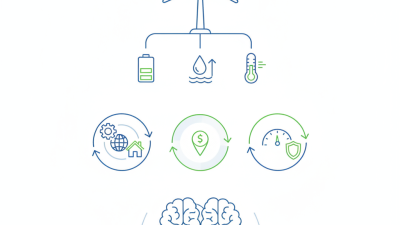
What Are Energy Storage Solutions and How Do They Work?
Energy storage solutions are becoming essential as electricity systems rely more heavily on solar and wind power. These sources are clean, but their output changes with sunlight and weather. A battery can store excess solar energy at noon, then release it when households switch on lights, heaters, and appliances after sunset. The idea sounds simple. The engineering is not.
Dr. Imre Gyuk, a leading energy-storage expert and former director of the U.S. Department of Energy’s Energy Storage Program, said, “Energy storage is the key to unlocking the full potential of renewable energy.” His statement captures the central purpose of storage: balancing supply, demand, reliability, and cost. Lithium-ion batteries remain widely used because they respond quickly and fit many applications. Other options include pumped hydro, thermal storage, compressed air, and emerging flow batteries. Each technology has different limits involving duration, location, safety, materials, and maintenance.
This guide explains what energy storage solutions are, how they work, and where they deliver practical value. It will examine charging, discharging, inverters, battery management systems, grid services, and behind-the-meter installations. A useful system is not automatically the cheapest system. Capacity alone can mislead. A battery may store large amounts of energy but perform poorly during repeated heat waves or long winter shortages. Real projects also face imperfect forecasts, aging equipment, and changing electricity prices. That uncertainty deserves attention. Storage is powerful, but it is not a magic fix.
Definition and Purpose of Energy Storage Solutions
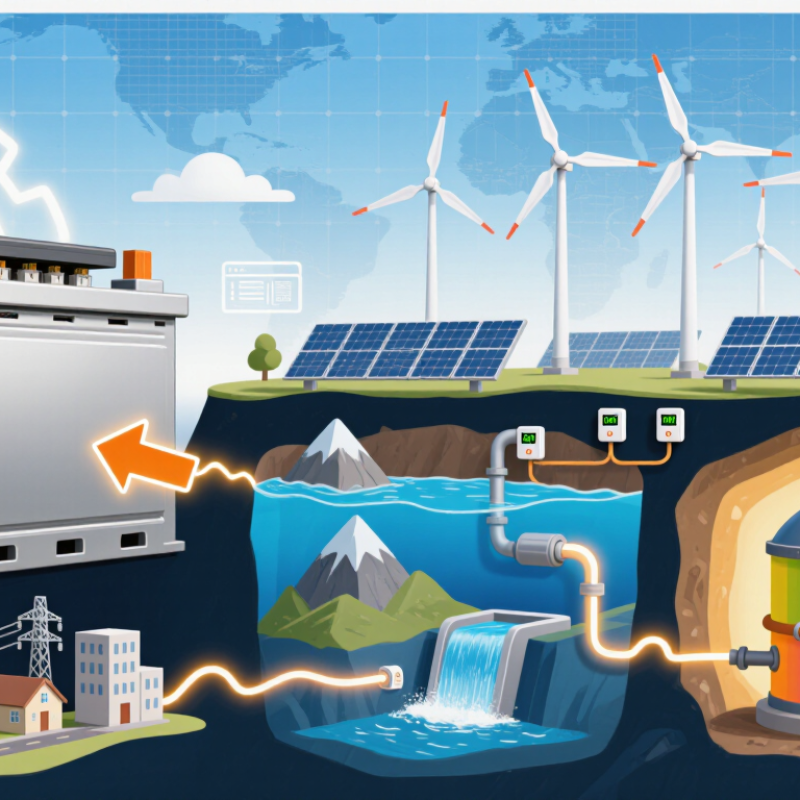
Energy storage solutions are systems that capture electricity or heat for later use. Their purpose is to shift energy across time, location, or operating conditions. A battery stores electricity electrochemically. Pumped hydropower stores it as elevated water. Thermal tanks hold heat or cold. Each system charges when energy is available and discharges when demand rises. This supports renewable integration, frequency control, backup power, and peak shaving. The timing matters.
The International Energy Agency’s Batteries and Secure Energy Transitions report, published in 2024, estimates that global energy storage capacity must expand sixfold to about 1,500 gigawatts by 2030. That figure reflects a net-zero pathway, not a guaranteed outcome. The International Renewable Energy Agency reports that lithium-ion battery prices fell by roughly 89% between 2010 and 2023. Lower costs improve access, but performance still depends on cycle life, temperature, safety controls, and connection design.
Costs still vary. A short-duration battery may balance evening demand, while long-duration storage can support several cloudy days. Real projects often reveal weaknesses that spreadsheets miss, especially around permitting, grid congestion, and recycling capacity.
Main Types of Energy Storage Technologies
What Are Energy Storage Solutions and How Do They Work?
Energy storage systems save electricity for later use. They help balance supply and demand when renewable output changes. Solar panels may produce excess power at noon, while homes need more electricity after sunset.
Pumped-storage hydropower moves water uphill into a reservoir. When electricity is needed, the water flows downhill through turbines. Battery systems store energy through chemical reactions and release it when required. Lithium-ion batteries respond quickly, making them useful for homes and short-duration grid support. Flow batteries use liquid electrolytes in separate tanks, which can support longer operation. Thermal storage holds heat in materials such as molten salts or insulated water tanks. Compressed-air systems store energy by forcing air into underground spaces, then releasing it through turbines. Hydrogen systems use electricity to produce hydrogen, which can later generate power. Each method has different costs, response times, safety needs, and environmental impacts.
Tips: Match the technology to the task. Batteries suit rapid backup, while pumped storage may serve large facilities for many hours. Check round-trip efficiency, temperature performance, maintenance needs, and usable capacity. Do not judge a system by its nameplate size alone. Real output can fall because of aging, heat, or conversion losses. A careful site assessment matters. Even experienced planners can underestimate seasonal demand. One overlooked detail can weaken the entire design.
What Are Energy Storage Solutions and How Do They Work?
Main Types of Energy Storage Technologies
Round-trip efficiency measures how much electricity can be recovered after energy is stored and discharged. Lithium-ion batteries generally provide the highest efficiency, while pumped hydro, flow batteries, compressed-air storage, and thermal storage offer different balances of efficiency, capacity, duration, cost, and site requirements. The values shown are representative midpoints of commonly reported technology ranges, so actual performance varies by system design and operating conditions.
How Energy Storage Systems Store and Release Energy
Energy storage systems capture electricity when supply exceeds demand and deliver it later. Engineering makes it reliable.
A battery system directs electricity through an inverter. During charging, chemical reactions move ions between electrodes. During discharge, ions return and create an electric current. The inverter changes direct current into alternating current for buildings and electrical grids. Sensors track temperature, voltage, and charge levels every second.
Other systems store energy differently. Pumped hydroelectric plants lift water to an upper reservoir. When electricity is needed, water flows downhill through turbines. Thermal storage holds heat in materials such as molten salts, then produces steam for generation. Hydrogen systems use electricity to split water, store the gas, and later convert it through a fuel cell or turbine.
From practical experience, timing matters as much as capacity. A battery rated for four hours cannot solve a weeklong shortage. Cold weather can reduce battery output, while repeated deep cycling accelerates wear. These limits are easy to overlook. Software forecasts demand, renewable production, and grid conditions, then schedules charging and release. Protective equipment isolates faults and limits overheating. Operators still need inspections, testing, and clear emergency procedures. Efficiency is never perfect. Some energy becomes heat during conversion. Its real value depends on measured performance, maintenance records, and honest assumptions.
Key Components and Operating Processes
Energy storage solutions capture electricity and release it when demand, prices, or renewable output changes. The system is more than a battery. It combines cells, power electronics, controls, safety equipment, and a connection to the grid or building. Batteries store energy through reversible chemical reactions. Thermal systems retain heat in insulated tanks. Pumped hydro moves water between reservoirs, storing energy as elevation. Each method has different response speeds, capacities, efficiencies, and maintenance needs. In practice, the right choice depends on load patterns, available space, climate, and discharge duration.
The operating process starts with charging. A controller measures voltage, current, temperature, and incoming power. It then directs electricity through an inverter or charger. The inverter converts alternating current to direct current, or reverses that flow during discharge. Battery management systems balance cells and limit unsafe conditions. When power is needed, controls send stored energy to the load. Sensors continuously check heat and electrical behavior. If readings move outside set limits, the system can reduce output or disconnect. This protection sounds simple, but poor calibration can still create avoidable losses.
Tips: Review hourly demand data before selecting equipment. Check round-trip efficiency, usable capacity, response time, and expected cycle life. Keep ventilation and thermal monitoring practical, not decorative. Ask how the system performs during outages and extreme temperatures. Leave room for inspection. A specification sheet cannot reveal every installation problem. Test alarms under controlled conditions, and record performance after commissioning. Small measurement errors may become expensive assumptions.
What Are Energy Storage Solutions and How Do They Work? - Key Components and Operating Processes
| System Area | Key Component or Technology | Primary Function | Operating Process | Typical Power or Energy Role | Typical Performance Range |
|---|---|---|---|---|---|
| Energy Conversion | Battery cells and modules | Store electrical energy in chemical form and release it when required. | Charging drives ions through the electrolyte; discharging reverses the ion movement and produces direct current. | Short- and medium-duration energy shifting, backup power, and frequency regulation. | Common lithium-ion systems: approximately 85–95% round-trip efficiency. |
| Power Conversion | Bidirectional inverter or power conversion system | Converts direct current from storage into grid-compatible alternating current and converts alternating current back to direct current during charging. | Controls voltage, current, frequency, charging rate, and export power according to system commands. | Grid connection, load support, renewable-energy integration, and power-quality control. | Power-conversion efficiency commonly reaches about 95–99%, depending on load and design. |
| Monitoring and Protection | Battery management system | Monitors cell voltage, temperature, current, state of charge, and state of health. | Balances cells, limits unsafe operating conditions, records operating data, and disconnects the battery when necessary. | Safety control, capacity preservation, fault detection, and reliable operation. | Protection operates in milliseconds to seconds, depending on the fault and system architecture. |
| Thermal Management | Air or liquid cooling and heating equipment | Maintains cells and power electronics within their permitted temperature range. | Sensors detect temperature changes; fans, pumps, heat exchangers, or heaters adjust the thermal condition. | Improves safety, usable capacity, charging performance, and service life. | Thermal energy use varies with ambient temperature, system size, enclosure design, and operating load. |
| Control and Optimization | Energy management system | Coordinates storage, renewable generation, grid imports, and electrical loads. | Uses operating rules, forecasts, electricity prices, and grid signals to determine when to charge or discharge. | Peak shaving, time-of-use optimization, renewable-energy smoothing, and backup scheduling. | Control decisions may be updated from sub-second intervals to several minutes. |
| Grid Interface | Switchgear, transformers, meters, and protection relays | Connects the storage system safely to facility circuits or the electric grid. | Measures electrical conditions, isolates faults, changes voltage levels, and controls the connection point. | Power export, power import, isolation, and compliance with electrical protection requirements. | Protection response is commonly measured in milliseconds to cycles of the electrical waveform. |
| Long-Duration Storage | Flow battery system | Stores energy in two liquid electrolytes held in external tanks. | Pumps circulate electrolytes through an electrochemical cell stack during charging and discharging. | Several-hour energy shifting and renewable-energy integration. | Typical round-trip efficiency is approximately 65–85%; duration can be increased by enlarging the tanks. |
| Mechanical Storage | Pumped-hydropower or compressed-air storage | Stores energy as elevated water or compressed air. | Electricity drives pumps or compressors during charging; stored water or air drives turbines or expanders during discharge. | Large-scale, long-duration storage and system balancing. | Pumped-hydropower round-trip efficiency is commonly about 70–85%; project duration may range from hours to days. |
| Thermal or Chemical Storage | Molten salt, hot-water storage, or hydrogen systems | Stores energy as heat or as chemical energy for later electricity or process-heat use. | Electricity or surplus renewable power produces heat or hydrogen; the stored energy is later used directly or converted back to electricity. | Industrial heat, district heating, seasonal storage, and long-duration energy supply. | Performance varies widely: direct thermal use can be highly efficient, while electricity-to-hydrogen-to-electricity pathways are generally less efficient than battery storage. |
Note: Actual performance depends on system design, operating temperature, charge and discharge rate, installation conditions, and the selected storage technology.
Applications, Benefits, and Limitations of Energy Storage
What Are Energy Storage Solutions and How Do They Work?
Energy storage systems capture electricity or heat for later use. Batteries store energy through reversible chemical reactions. Pumped hydroelectric systems move water uphill, then release it through turbines. Thermal storage holds heat or cold in materials such as molten salt. During discharge, control equipment converts stored energy into usable power. Modern systems monitor voltage, temperature, and demand in real time. A well-designed system can respond within milliseconds.
That matters.
Energy storage supports many applications. Solar farms can store midday electricity for evening demand. Hospitals use batteries during grid interruptions. Remote communities can reduce diesel consumption with renewable power and storage. Large grids use storage to balance sudden changes in wind or solar output.
Better reliability
Lower peak-demand costs
Improved renewable integration
Benefits include better reliability, lower peak-demand costs, and improved renewable integration. Engineers usually compare storage duration, cycling frequency, efficiency, site conditions, and safety requirements. A four-hour battery may suit daily demand, but not a week-long outage.
Limitations deserve equal attention.
Storage does not create energy; it shifts energy through time. Every conversion loses some power, and batteries gradually lose capacity. Safe operation requires thermal management, monitoring, suitable installation, and responsible end-of-life handling. Pumped hydro needs terrain, water access, permits, and long construction periods. Thermal storage depends heavily on the temperature required.
Forecasts can also be wrong. Storage is not a universal fix. Its value depends on local prices, climate, regulations, and response time.
Related Posts
-
How to Choose the Best Renewable Energy Storage Solutions?
-
Why Are Renewable Energy Storage Solutions Essential for a Sustainable Future?
-

2026 Top Energy Storage Solutions for Sustainable Power Management?
-
10 Essential Tips for Choosing the Right Energy Storage Solutions?
-
Why Are Solar Energy Storage Solutions Essential for Businesses?
-
Top Home Energy Storage Solutions in China for Global Buyers?
CORPORATE HEADQUARTERS
North America
California
AGIC Energy North America LLC
13025 Danielson Street, Suite 105
Poway, CA 92064 – USA
Phone Number: +1 (858) 842 1513
Email: info@site_cc52bd27-560c-4f9d-bd66-63718fc42539
Sales: sales@site_cc52bd27-560c-4f9d-bd66-63718fc42539