10 Essential Tips for Choosing Green Energy Storage Solutions
As the demand for renewable energy rises, green energy storage solutions become increasingly vital. These systems allow for the efficient capture and storage of energy from sources like solar and wind. Selecting the right solution can be daunting, especially with the myriad options available today.
Many factors must be considered. You need to assess capacity, efficiency, and environmental impact. Each choice comes with its own set of benefits and drawbacks. Understanding the specifics of your energy needs is crucial. It is not just about storage; it’s about sustainability and long-term savings.
Choosing the right green energy storage solution requires careful thought. You might feel overwhelmed at times, and that’s okay. Learning from experts can guide you. You can make informed decisions by reflecting on past experiences and considering practical needs. This journey is not just technical; it’s about embracing a sustainable future together.
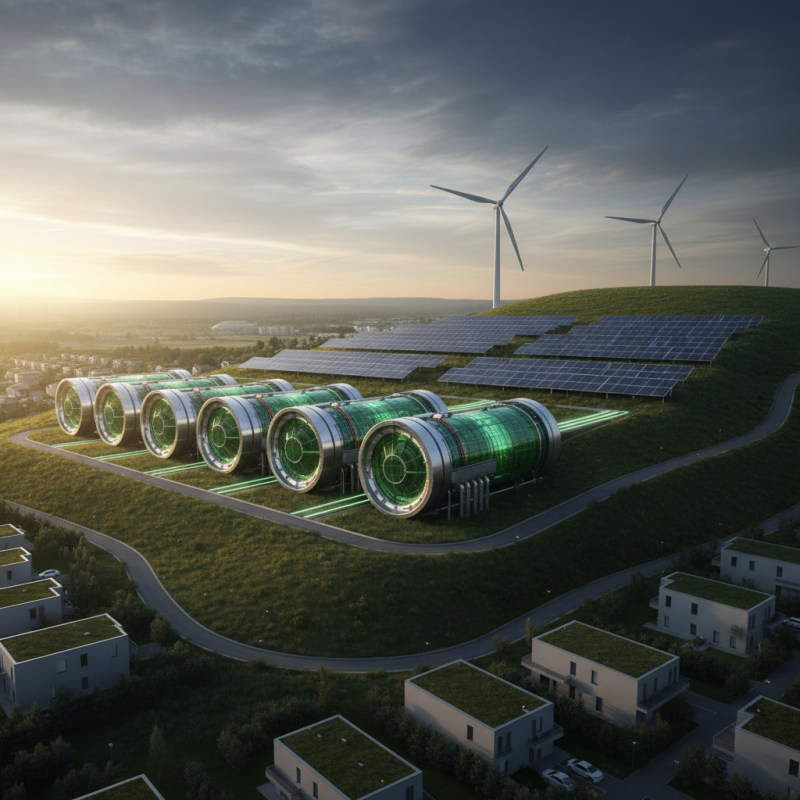
Understanding the Importance of Green Energy Storage Solutions
Green energy storage solutions are vital in today’s sustainability landscape. With renewable energy sources like solar and wind generating power, reliable storage systems are essential to manage this energy for later use. According to a report by the International Renewable Energy Agency (IRENA), energy storage capacities need to triple by 2030 to meet global climate goals. This highlights the importance of selecting efficient storage technologies.
When choosing a green energy storage solution, consider efficiency ratings. Batteries with higher efficiency can store more energy and reduce waste, contributing to more sustainable usage. Additionally, check the lifespan of the storage system. A longer lifespan often means lower environmental impact over time. Systems that last longer require fewer replacements, minimizing waste.
Examining the scalability of storage solutions is also crucial. Some systems can expand easily as energy needs grow. This flexibility ensures that your investment adapts to changing energy demands. Review the maintenance requirements as well. Regular maintenance can enhance performance, but also adds to costs. Therefore, evaluating both aspects is essential for making a well-informed decision.
Green Energy Storage Solutions Comparison
This chart compares various green energy storage solutions based on their cost per kilowatt-hour (kWh). It highlights the economic feasibility of different technologies that contribute to sustainable energy management.
Evaluating Different Types of Energy Storage Technologies
When evaluating different types of energy storage technologies, it’s crucial to consider specific factors. Lithium-ion batteries dominate the market, accounting for 90% of global battery storage capacity in 2022. They are effective and versatile, but they also come with challenges. Their production relies heavily on cobalt, leading to concerns about environmental impact and supply chain ethics.
Alternative technologies, such as flow batteries, are emerging. They provide longer cycle life and can be scaled easily. A recent report by IRENA shows that flow batteries could reach a cost of $130/kWh by 2030. This is an attractive option for large-scale storage but still faces efficiency issues.
Another option is pumped hydro storage, which has been around for decades. It offers efficiency rates of around 75-90%. However, the geographical requirements limit its applicability. Sites need significant elevation differences, which are not available everywhere.
It's important to balance efficiency with environmental and economic factors. As the demand for renewable energy storage grows, these nuances become even more critical. New technologies must address both performance and sustainability.
Key Considerations for Capacity and Longevity in Storage Selection
When selecting green energy storage solutions, capacity and longevity are crucial factors. Capacity refers to how much energy a system can store. It's vital to assess your energy needs accurately. Too little capacity will lead to shortages during peak times. On the other hand, overestimating your capacity can result in wasted resources. Think about your usage patterns. Gather data on daily and seasonal energy demands. This information is key to making an informed decision.
Longevity deals with how long the storage system will last. Many storage solutions degrade over time, affecting efficiency. Pay attention to the manufacturer's specifications regarding lifespan. Consider the materials used in the construction. Some technologies may appear cheaper upfront but may lack durability. A balance between initial costs and long-term reliability is essential. Reflect on potential maintenance needs as well. Some systems require more upkeep than others. A reliable option can ultimately save money and effort over time, though it may be tempting to choose based on initial cost alone.
Assessing Environmental Impact and Sustainability Factors
When selecting green energy storage solutions, environmental impact and sustainability must be core considerations. According to a report by the International Energy Agency (IEA), the global transition to renewable energy can significantly reduce greenhouse gas emissions, yet the choice of storage technology remains crucial. For instance, lithium-ion batteries may offer high efficiency but also pose challenges in terms of raw material extraction and disposal. This adds a layer of complexity in assessing their overall eco-friendliness.
Sustainability factors extend beyond mere efficiency ratings. A study from the National Renewable Energy Laboratory (NREL) highlights the importance of the entire lifecycle of energy storage systems. This includes sourcing materials, manufacturing processes, and end-of-life disposal. Companies must evaluate not only the immediate benefits but also the long-term impact of their choices. The recycling rate of lithium-ion batteries stands around 5%, raising concerns over resource depletion and environmental damage.
Regulatory frameworks are evolving. These guidelines aim to ensure that energy storage solutions meet both performance and sustainability criteria. However, regulations can vary significantly across regions. This inconsistency makes it imperative for stakeholders to stay informed and advocate for clearer standards. The journey toward optimal green solutions remains ongoing and filled with challenges. It’s essential to keep questioning existing practices and strive for a more sustainable future.
Cost-Effectiveness and Incentives for Green Energy Storage Options
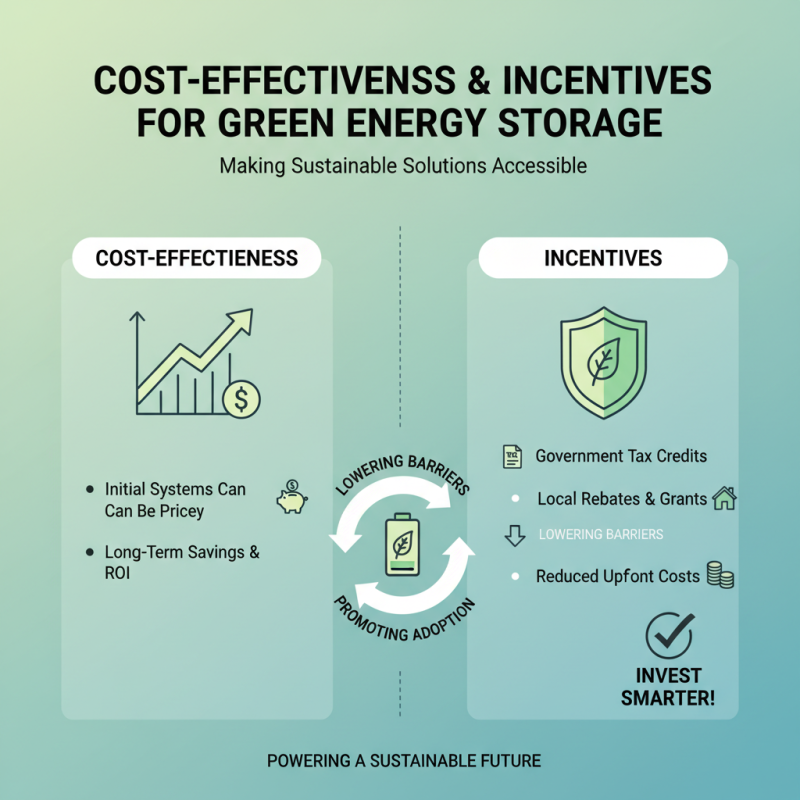
When exploring green energy storage options, cost-effectiveness is essential. Energy storage systems can be pricey, but various incentives can make them more accessible. Governments and local authorities often provide tax credits or rebates for renewable energy projects. These financial incentives can significantly reduce initial costs, making it easier for homeowners and businesses to invest in sustainable solutions.
Additionally, consider long-term savings. Effective energy storage can reduce reliance on the grid. For many, this translates to lower utility bills over time. Some systems even allow for energy resale, generating an extra income stream. However, upfront investment remains a challenge for many. It’s vital to weigh the potential savings against the purchase price of storage solutions.
Lastly, it's crucial to evaluate the environmental impact alongside financial considerations. Some storage systems may have higher ecological footprints than others. Not all solutions are equally efficient or beneficial. Consumers should critically assess product information to make informed decisions. Balancing affordability and sustainability can be tricky but necessary for a greener future.