+1 (858) 842-1249 

info@site_cc52bd27-560c-4f9d-bd66-63718fc42539 

sales@site_cc52bd27-560c-4f9d-bd66-63718fc42539

10 Essential Tips for Implementing New Energy Solutions Successfully

In the evolving field of new energy solutions, effective implementation is crucial. Dr. Emily Johnson, a leading expert in sustainable technologies, emphasizes, "Success in energy transition needs careful planning and commitment." This reflects the reality that adopting new energy solutions is not simply about technology; it requires strategic foresight.

Implementing new energy solutions can face various challenges. Technical glitches, budget constraints, and human factors often hinder progress. For instance, organizations may struggle to find skilled workers to manage these new systems. Thoughtful planning can help mitigate these issues, but reflection is necessary. Why do some initiatives fail? Often, the vision becomes clouded, and teams lose focus.

It's essential to remember that success does not come overnight. The journey involves trial and error. Some strategies may not yield the expected results. Each setback can serve as a valuable lesson. As we move forward in the arena of new energy solutions, acknowledging these hurdles will pave the way for better practices and outcomes.

10 Essential Tips for Implementing New Energy Solutions Successfully

Understanding the Importance of New Energy Solutions
10 Essential Tips for Implementing New Energy Solutions Successfully

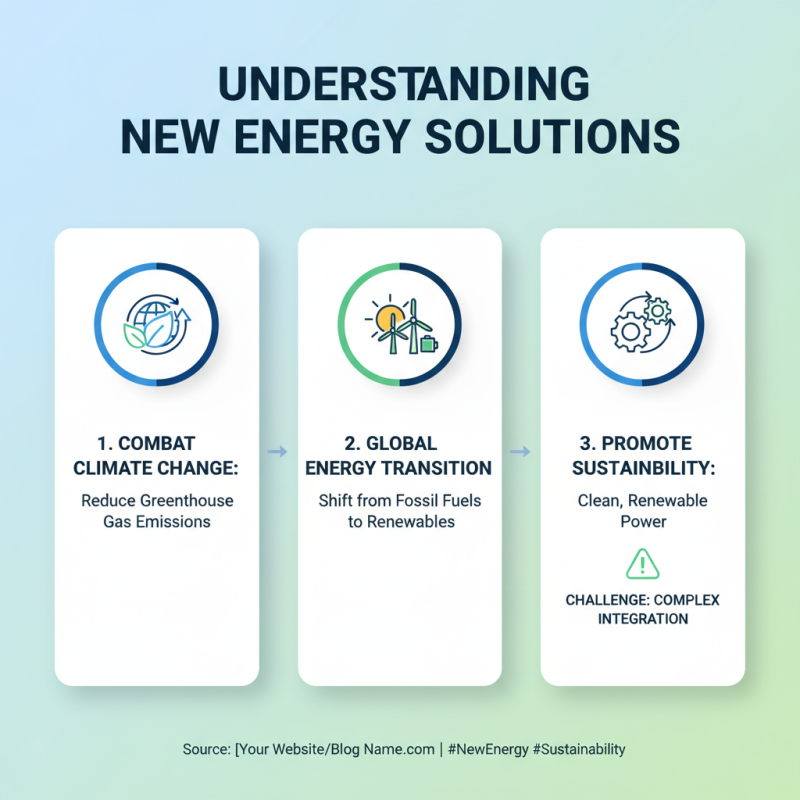
New energy solutions play a crucial role in addressing global energy challenges. As we shift from fossil fuels, it's vital to understand their importance. Transitioning to renewable sources reduces greenhouse gas emissions. This action helps combat climate change and promotes sustainability. Yet, many organizations struggle with this shift. They often underestimate the complexity of new energy integrations.

Implementing these solutions requires careful planning. Stakeholders need clear communication and alignment. In many cases, resistance to change becomes a significant obstacle. Despite the evident benefits, some still cling to traditional practices. Training employees on new technologies is essential but often overlooked. If teams are not prepared, even the best solutions can fail. Organizations must foster a culture of innovation to embrace these changes fully.

Real-life examples show the highs and lows of these implementations. Some companies excel, while others face setbacks. Learning from these experiences is crucial. Mistakes are inevitable, and they offer valuable lessons. Reflection on what went wrong can prevent future issues. A genuine commitment to advancing new energy solutions can lead to significant progress. However, it requires ongoing effort and adaptation to succeed.
Identifying Key Stakeholders and Their Roles in Implementation

Identifying key stakeholders is critical in implementing energy solutions. They include project managers, engineers, and local community leaders. Each stakeholder plays a unique role. Project managers oversee the entire process. They ensure deadlines are met and resources are allocated appropriately. Engineers design the solutions, adapting technology to meet specific needs. Community leaders represent public interests, promoting transparency and trust.

Engagement is vital. It's essential to communicate effectively with stakeholders throughout the project. Regular updates can build confidence and address concerns. However, misunderstandings may arise. Conflicting interests might surface, challenging the collaboration. Acknowledging these tensions can lead to more robust discussions. Finding common ground often requires patience and compromise.

Training is another key aspect. Stakeholders need to understand the new solutions thoroughly. Workshops and demonstrations can enhance their knowledge. However, it’s easy to overlook this step. Time constraints may push teams to rush. This can lead to gaps in understanding that hinder effective usage later on. Reflection on these practices will reveal the importance of thorough training for a successful implementation.

Developing a Comprehensive Energy Solutions Strategy

10 Essential Tips for Implementing New Energy Solutions Successfully

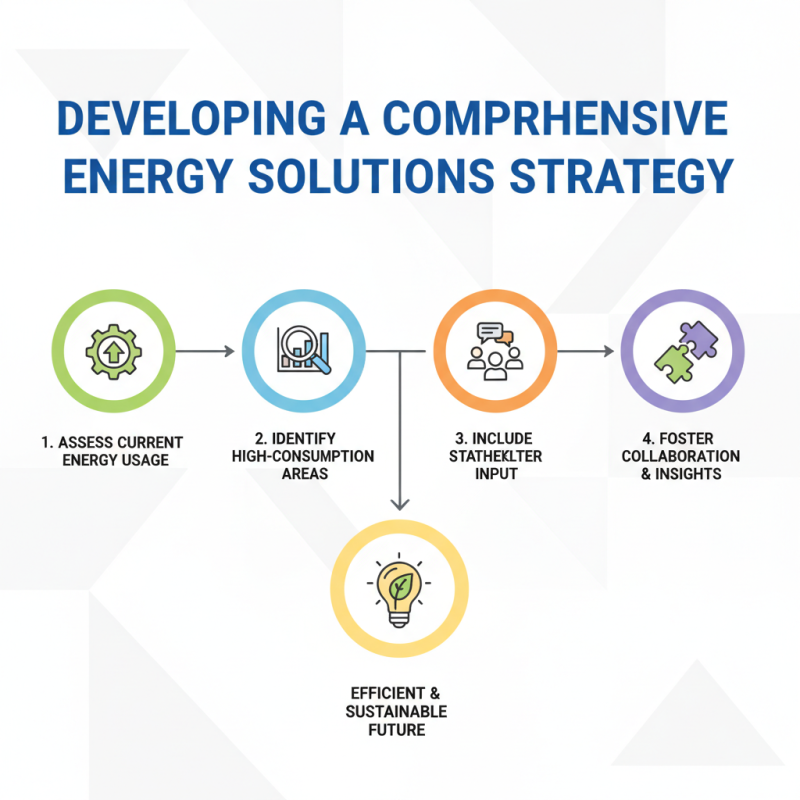
Developing a comprehensive energy solutions strategy requires careful planning. Start by assessing current energy usage in your organization. Identify areas with the highest consumption. Include input from all relevant stakeholders. This ensures a thorough understanding of needs and expectations. Collaboration can reveal blind spots that might be missed in isolation.

Next, consider diverse energy sources. Renewables like solar and wind offer great potential. However, they may not suit every location or budget. Balancing renewable and traditional energy can be tricky. Focus on flexibility. This allows adaptation if initial choices don’t meet expectations. Monitor performance continuously. Data can guide adjustments for efficiency.

Creating a strategy is an ongoing process. Be willing to iterate your approach. You might face setbacks. Learn from these challenges and refine your plans. Energy solutions are not one-size-fits-all. Experimentation is key, and not every decision will yield immediate success. Keep an open mind to new technologies and ideas. The landscape of energy is always changing.

Monitoring and Evaluating the Impact of Energy Solutions

Monitoring and evaluating the impact of new energy solutions is crucial for long-term success. Effective measurement helps identify what works and what doesn't. According to a report by the International Energy Agency (IEA), only 38% of energy projects meet their initial goals on time. This statistic underlines the importance of a robust evaluation framework.

Data collection is essential. Utilize tools to track energy consumption and emissions reductions. A project from the Renewable Energy Policy Network showed that real-time monitoring can result in a 30% improvement in efficiency. Simple metrics can provide insights into performance gaps. However, many projects overlook this step, often focusing solely on implementation rather than ongoing assessment.

Engaging stakeholders is vital. Their feedback can shape future strategies. Yet, it is common to see limited communication after installation. A survey by the U.S. Department of Energy indicated that 70% of businesses failed to solicit feedback post-implementation. This misstep can lead to missed opportunities for optimization. Evaluations don’t just measure success; they guide necessary adjustments along the way.

10 Essential Tips for Implementing New Energy Solutions Successfully - Monitoring and Evaluating the Impact of Energy Solutions

Tip Description Impact Measurement Evaluation Frequency
1. Define Clear Goals Establish specific, measurable goals for energy solutions. Energy savings in kWh Quarterly
2. Engage Stakeholders Involve all relevant parties to ensure buy-in and support. Stakeholder satisfaction surveys Bi-annually
3. Pilot Projects Implement small-scale projects to test technologies. Pilot project performance metrics After project completion
4. Data Collection Set up systems for collecting data on energy usage. Energy consumption analysis Monthly
5. Staff Training Train employees on new energy systems and practices. Training effectiveness evaluations Annually
6. Sustainability Reviews Regular reviews of sustainability impacts of projects. Sustainability index scores Semi-annually
7. Continuous Improvement Implement findings to enhance energy solutions. Improvements in energy efficiency Ongoing
8. Regulatory Compliance Ensure adherence to energy regulations and standards. Compliance audit results Annually
9. Communication Strategies Effectively communicate the benefits and outcomes. Communication reach metrics Quarterly
10. Long-term Planning Incorporate energy solutions into long-term business strategy. Strategic alignment assessments Annually

Ensuring Ongoing Training and Support for Stakeholders

Implementing new energy solutions can be challenging. One crucial aspect is providing ongoing training and support for all stakeholders. Without adequate training, users may struggle to adapt. This can lead to frustration and poor utilization of new systems. For example, a factory might invest in solar panels but fail to train the staff on maintenance protocols.

Continuous support is equally important. Regular check-ins and resource availability can help stakeholders address challenges. Imagine a community that has adopted wind energy. If individuals do not receive guidance on how to monitor energy usage, issues will likely go unnoticed. This leads to wasted resources and reduced efficiency.

Engaging stakeholders in feedback sessions can reveal gaps in training. Those sessions may not always go smoothly. Some may express dissatisfaction, pointing out overlooked concerns. Acknowledging these problems is essential. Reflecting on feedback encourages improvements in future training programs. It's vital to create a culture of learning and adaptation.

Implementation Success Rate of New Energy Solutions

This bar chart illustrates the implementation success rates of various essential training and support factors when adopting new energy solutions. Stakeholder training shows the highest success rate, indicating its critical role in the overall implementation strategy.

CORPORATE HEADQUARTERS

North America

California

AGIC Energy North America LLC
13025 Danielson Street, Suite 105
Poway, CA 92064 – USA
Phone Number: +1 (858) 842 1513
Email: info@site_cc52bd27-560c-4f9d-bd66-63718fc42539
Sales: sales@site_cc52bd27-560c-4f9d-bd66-63718fc42539