Top Innovative Energy Storage Solutions for a Sustainable Future?
The world is facing an urgent energy crisis. Traditional energy sources are depleting rapidly. Innovative energy storage solutions are crucial for a sustainable future. These solutions will help harness renewable energy effectively. They can store energy from sources like solar and wind. This storage capability allows us to use energy when demand peaks.
Various technologies are emerging in this space. Some solutions include lithium-ion batteries, flow batteries, and compressed air systems. Each has its strengths and weaknesses. For instance, lithium-ion batteries are popular due to their efficiency. However, they face challenges such as resource scarcity and recycling difficulties. In contrast, flow batteries offer longer discharge durations but are often more expensive and complex.
As we explore these innovative energy storage solutions, we must acknowledge the imperfections. Some technologies are still in developmental stages. There is a need for further research and investment. Achieving a balance between efficiency and sustainability is vital. This is not just about technology; it's about creating a system that benefits the planet. Only then can we ensure a greener tomorrow.
Emerging Trends in Energy Storage Technologies
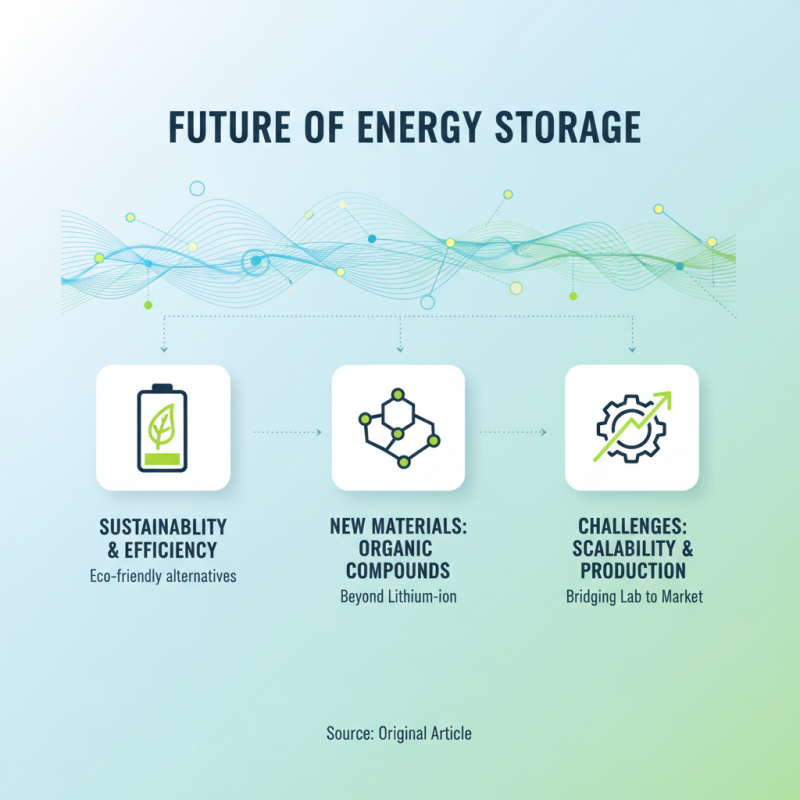
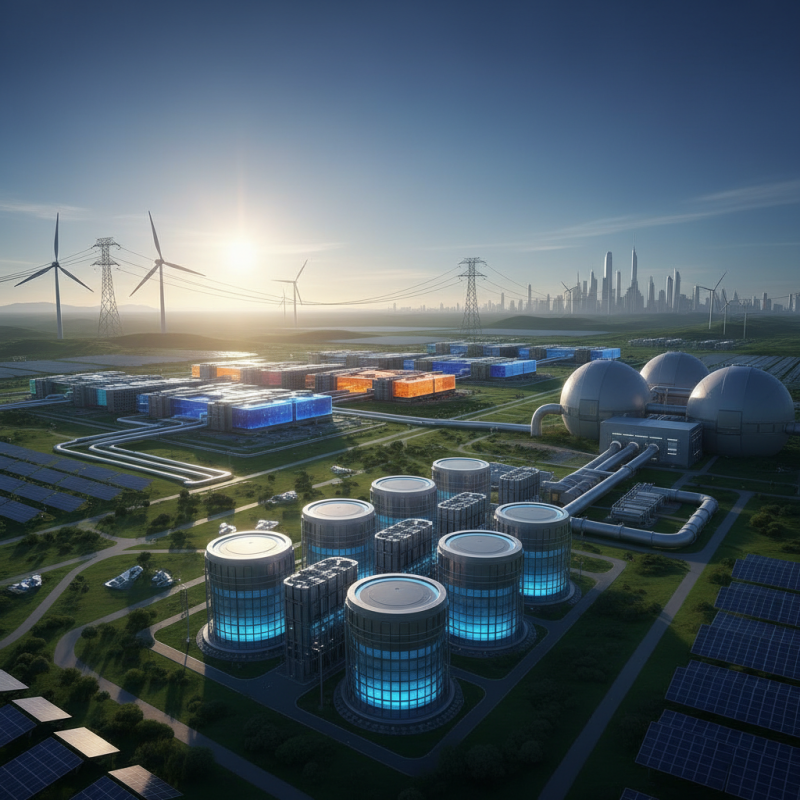
The landscape of energy storage technologies is evolving at an unprecedented pace. Recently, innovations have emerged, focusing on sustainability and efficiency. New materials are being explored, such as organic compounds, which may provide eco-friendly alternatives to traditional lithium-ion batteries. These developments bring excitement but also challenges in scalability and production methods.
Another promising trend is in thermal energy storage. This method allows excess heat to be captured and stored for later use. It addresses fluctuations in energy supply, especially from renewable sources. The technology is still in its infancy, and efficient heat retention remains an issue. Researchers are looking for solutions to boost performance and durability, making it a field worth watching.
Moreover, gravity-based storage systems are gaining attention. They operate by lifting heavy weights during peak energy production and lowering them during demand spikes. While conceptually simple, it is still unclear how practical this method will be in real-world applications. Each of these innovations highlights the ongoing quest for balance between technological advancement and practical implementation in our journey toward a sustainable future.
Comparison of Conventional and Innovative Energy Storage Methods
Energy storage plays a crucial role in achieving sustainability. Conventional methods often rely on lead-acid batteries. These systems are heavy and have limited life spans. While they are affordable, they face significant environmental concerns. Disposal issues and toxic leaks can harm ecosystems.
Innovative energy storage solutions offer a different approach. For example, lithium-ion batteries are lighter and have longer life cycles. They are increasingly used in electric vehicles and renewable energy systems. However, raw material sourcing poses ethical questions. The mining process affects local communities and ecosystems.
Additionally, emerging technologies like flow batteries and solid-state batteries show promise. Flow batteries can be scaled easily, proving beneficial for large-scale solar projects. Solid-state batteries are lighter and safer compared to their lithium-ion counterparts. But, high production costs remain a barrier to widespread adoption. As the industry grows, addressing these challenges is key for a sustainable future.
Top Innovative Energy Storage Solutions for a Sustainable Future
Key Players in the Energy Storage Market and Their Contributions
The energy storage market features several key players pushing innovation. In recent years, many companies have invested heavily in developing new technologies. These innovations focus on improving efficiency and reducing costs. Some players are exploring advanced batteries, while others examine alternative materials. Each approach has its own set of challenges and opportunities.
Many companies are also collaborating with research institutions. This partnership can lead to breakthroughs in energy storage methods. However, some solutions might not be scalable or widely applicable. A promising technology today may not be viable tomorrow. In this fast-evolving landscape, constant adaptation is crucial.
Equally important is the need for sustainability. Many players emphasize eco-friendly practices. Still, the impact of production processes on the environment often raises questions. The quest for greener energy storage must address these concerns. Stakeholders must reflect on their role in shaping a sustainable future. Innovation, after all, is not just about new technologies but also about responsibility.
Top Innovative Energy Storage Solutions for a Sustainable Future
| Energy Storage Technology |
Storage Capacity (MWh) |
Efficiency (%) |
Cost ($/kWh) |
Market Share (%) |
| Lithium-ion Batteries |
100 |
90 |
150 |
42 |
| Flow Batteries |
50 |
75 |
200 |
20 |
| Compressed Air Energy Storage |
200 |
70 |
150 |
18 |
| Solid State Batteries |
80 |
95 |
250 |
15 |
| Lead-Acid Batteries |
120 |
80 |
100 |
5 |
Challenges and Solutions in Implementing Energy Storage Systems
Implementing energy storage systems presents various challenges. One major issue is cost. Many innovative solutions require significant initial investment. This can deter businesses and homeowners from adopting these technologies. Additionally, technical complexities can arise during installation. The integration of new systems with existing infrastructures often proves difficult. Training personnel and maintaining these systems require time and resources.
Tips: Assess your needs carefully. Determine what energy capacity is essential for your situation. Start small to understand the technology. This will help in avoiding costly mistakes.
Another challenge is the regulatory landscape. Different regions have varying regulations that can hinder progress. Navigating this can be confusing for those involved in the energy sector. Solutions to these problems require collaboration among stakeholders. Policymakers need to create clear guidelines. Meanwhile, manufacturers should focus on simplifying their products.
Tips: Stay updated on local regulations. Join forums or groups related to energy storage. Networking can provide insights and help overcome hurdles. Remember that adopting new technology is a journey, not a sprint. Learn from the experiences of others.
Future Prospects for Energy Storage in Achieving Sustainability
The future of energy storage is pivotal for achieving sustainability. Renewable energy sources, like
wind and solar, are on the rise. However, they face intermittent challenges. Efficient energy storage solutions can bridge this gap.
Innovative technologies like lithium-ion batteries and flow batteries capture surplus energy. They release it when needed, ensuring a stable energy supply.
Tips for effective energy storage:
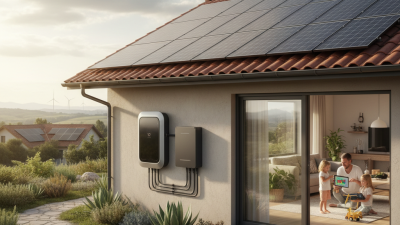
- Consider the local energy needs. Smaller systems may suffice for homes.
- Evaluate the environmental impact of your storage choice. Some solutions might have drawbacks that require further reflection.
Energy storage isn't perfect yet. Many systems can degrade over time. Recycling options are limited for some technologies, creating waste. Emphasizing sustainability must focus on both efficiency and environmental responsibility. As we explore new horizons, we should remain cautious and proactive about potential pitfalls.