Why Power Solar Solutions Are Essential for Sustainable Energy Transition?
The global push for sustainable energy is more urgent than ever. Climate change and environmental concerns highlight the need for effective solutions. Among these, power solar solutions stand out as a crucial element. The International Energy Agency reports that solar energy could represent nearly 30% of global electricity generation by 2040. This forecast underscores the importance of investing in efficient solar technologies.
However, transitioning to solar energy presents challenges. Many regions still depend heavily on fossil fuels. Transitioning away from these energy sources requires robust infrastructure and policy support. Additionally, the financial barriers for wider adoption must be addressed. Reports indicate that upfront costs can deter individuals and businesses alike, raising the question: are we doing enough to enable this shift? It's essential to recognize the potential of power solar solutions as we advocate for a sustainable energy future.
As we move forward, innovation and cooperation are vital. We need a focused, unified approach to overcome existing hurdles. The path to a sustainable future lies in leveraging the full potential of power solar solutions. The journey is complex, but the rewards are substantial, paving the way for a cleaner, greener planet.

Importance of Solar Energy in Reducing Carbon Footprint
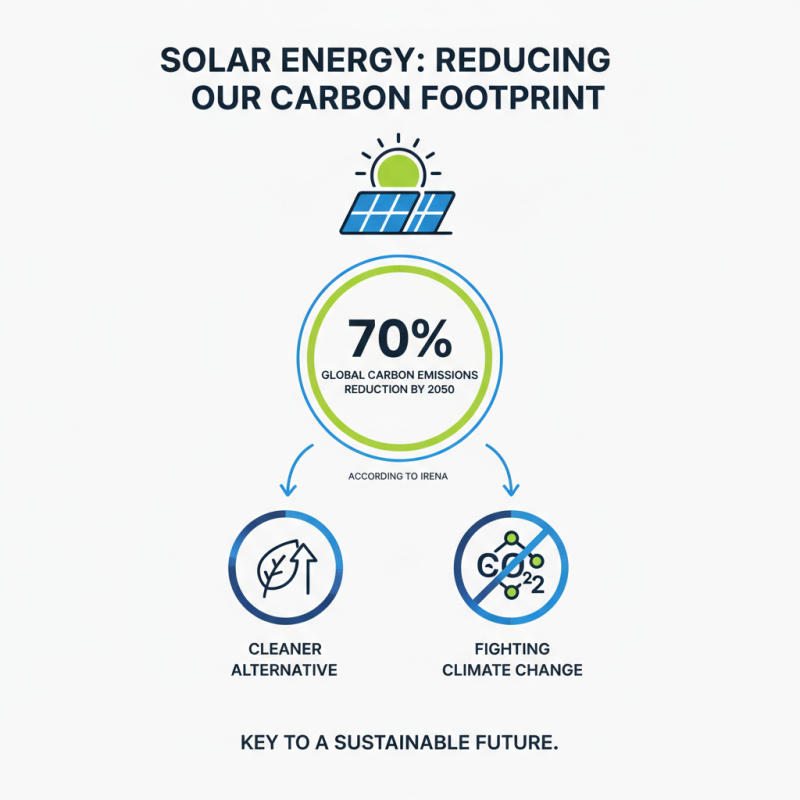
Solar energy plays a crucial role in reducing the carbon footprint. According to the International Renewable Energy Agency (IRENA), solar power could contribute to reducing global carbon emissions by up to 70% by 2050. This statistic highlights solar's potential as a cleaner alternative.
In the U.S alone, the use of solar power can offset approximately 100 million metric tons of carbon emissions annually. This data from the U.S. Department of Energy shows the immense impact solar can have. It captures sunlight and converts it to energy without emitting harmful pollutants. Yet, the transition to solar energy is not without challenges.
Many regions still rely heavily on fossil fuels. This reliance creates a lag in the progression towards sustainability. Outdated infrastructure and financing issues hinder solar adoption. Community engagement is often minimal, meaning public awareness is low. Moving forward, more efforts are needed to educate the public about the benefits of solar energy. Each individual plays a part in pushing for a greener future. Increased awareness could drive demand for cleaner energy solutions, allowing solar power to flourish in the fight against climate change.
Global Solar Energy Market Growth: Trends and Projections for 2025
The global solar energy market is experiencing significant growth. Many countries are investing heavily in solar technology. This trend is driven by the need for clean and sustainable energy sources. In 2025, solar power is expected to contribute more to global energy production.
As more people turn to solar solutions, challenges remain. Not all regions have equal access to sunlight or technology. Some areas struggle with regulatory issues or financial barriers. These gaps can slow down adoption rates, leaving certain communities behind. The transition to solar energy is not just about technology; it requires a collective effort.
Solar energy's impact can be immense. Solar panels can reduce electricity bills and promote energy independence. Yet, some still question their effectiveness and longevity. Not every installation is perfect; failures can happen. This is a reminder that while progress is commendable, continuous improvement is necessary. The road to a sustainable energy future is filled with both achievements and hurdles.
Technical Innovations in Solar Power: Enhancing Efficiency and Accessibility
Technical innovations in solar power are pivotal in making sustainable energy accessible. Recent reports have shown that solar energy could supply over over 40% of the world's electricity by 2030. This potential highlights an urgent need for breakthroughs in technology. New photovoltaic materials, such as perovskite solar cells, promise efficiency gains of over 25%. However, challenges remain with cell longevity and scalability.
The integration of smart grids enhances the usability of solar energy. Advanced algorithms now allow better energy distribution, making it easier to manage solar energy from various sources. Despite this, many installations still lack proper connectivity. This situation creates inefficiencies in energy use. Furthermore, the cost of installation remains a barrier for many households. Data indicates that solar installations have dropped by over 80% in price since 2010, yet economic disparities persist.
Accessibility also hinges on advancements in battery storage. Improved battery technology can store energy more effectively, facilitating use during non-sunny periods. However, environmental impacts from battery production need consideration. The recycling of batteries is still an area that requires significant improvement. Overall, while technical innovations present exciting opportunities, they also bring complexity that warrants deeper reflection. Balancing efficiency and accessibility remains crucial for a successful energy transition.
Case Studies: Successful Solar Implementation in Sustainable Energy Projects
Implementing solar solutions has proven impactful in various sustainable energy projects worldwide. For instance, a study conducted by the International Renewable Energy Agency shows that solar power installations can reduce emissions by nearly 70% over their lifespan. In California, community solar projects have empowered neighborhoods. Residents can access clean energy, lowering utility costs by up to 20%. These projects showcase how local engagement can drive renewable energy adoption.
One notable case study comes from Germany. The country invested heavily in solar technology, leading to a 50% reduction in energy costs for households. However, challenges like grid integration and storage still pose hurdles. Despite the progress, many regions still rely on fossil fuels. It’s essential to address the gaps in infrastructure to fully benefit from solar energy.
Moreover, pilot projects in Kenya highlight the importance of scalability. Solar microgrids have successfully powered remote areas, increasing educational opportunities. Yet, inconsistent policy support raises questions. How can we ensure these projects are sustained over time? Evaluating both successes and shortcomings is crucial for the future of solar energy in sustainable initiatives. The path forward is clear but requires persistent effort and reflection.
Government Policies and Incentives Supporting Solar Energy Adoption
Government policies play a key role in promoting solar energy adoption. Many countries have introduced incentives to support renewable energy. For instance, a report from the International Renewable Energy Agency revealed that solar capacity increased by 24% globally in 2020. These policies create an environment where solar solutions become more viable for businesses and homeowners.
Tax credits and subsidies are popular tools. They reduce the upfront costs for solar installations. According to the Solar Energy Industries Association, the investment tax credit (ITC) allows consumers to deduct a significant percentage from their federal taxes. This has proven effective. However, some areas still lack adequate programs. The disparity in incentives can lead to unequal access to solar energy.
Local governments also contribute to this shift. Many cities are implementing their own programs. These often focus on education and resources to guide residents. A clearer policy direction can enhance community engagement. Yet, navigating these policies can be overwhelming for individuals. Simplifying the application process could improve participation rates in solar programs. As the demand for sustainable energy grows, effective government support remains crucial for a successful transition.