Top Renewable Power Solutions for a Sustainable Future?
As the world faces critical environmental challenges, the need for effective renewable power solutions becomes increasingly paramount. Experts like Dr. Emily Johnson, a leading advocate for sustainable energy, emphasize, "Investing in renewable power solutions is crucial for a sustainable future." This statement highlights the urgency of transitioning from fossil fuels to cleaner energy sources.
Renewable power solutions offer a diverse array of options, including solar, wind, and hydroelectric power. These alternatives provide a cleaner energy supply while also fostering job creation in the green sector. However, the adoption of these technologies faces hurdles. Affordability, infrastructure, and public perception all play significant roles in shaping their success.
Moreover, there is still much to learn about optimizing these systems. The technology is not perfect, and reliance on renewables must be approached with caution. A more collaborative effort involving governments, businesses, and communities is essential. Only then can we fully harness the potential of renewable power solutions for a sustainable future.
Top Renewable Power Solutions for a Sustainable Future
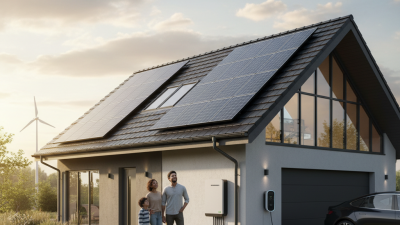
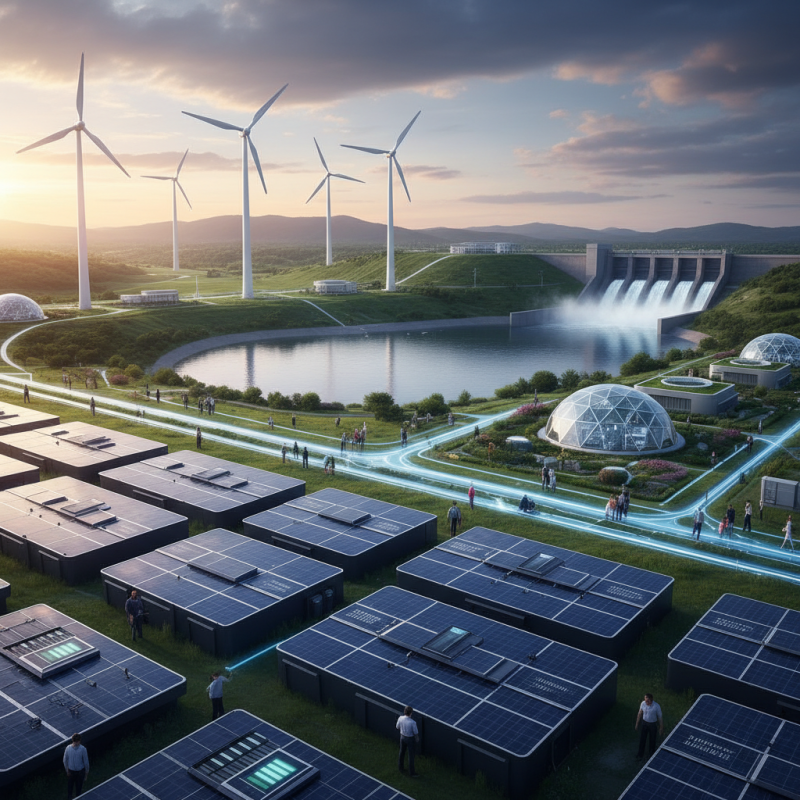
As the world shifts toward sustainable practices, renewable power solutions are vital. Solar energy stands out for its accessibility. Rooftop panels adorn homes, transforming sunlight into electricity. However, solar energy relies on sunny days. Cloudy weather cuts efficiency significantly. This variability poses a challenge for consistent energy supply.
Wind power also plays a critical role. Turbines on hills harness wind currents to generate electricity. They create clean energy but can disrupt local wildlife. Additionally, wind farms require vast land areas, often displacing natural habitats. Community acceptance is crucial, yet not always guaranteed.
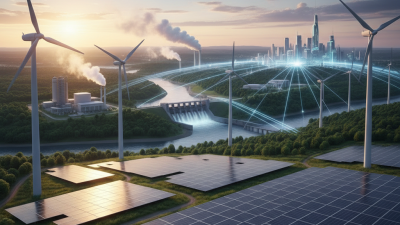
Hydropower remains one of the oldest sources of renewable energy. Dams store water and produce electricity through turbines. However, building dams can lead to ecological destruction. Rivers are diverted, affecting local ecosystems and fish populations. Balancing energy production with environmental health is a complex challenge. Continuous innovation and community engagement are essential for a truly sustainable future.
The Rise of Solar Energy: Current Capacity and Future Prospects
The rise of solar energy marks a significant shift towards sustainability. In recent years, the capacity for solar power has expanded dramatically. More countries are investing in solar farms. These installations transform sunlight into usable electricity. This is a clean energy source that benefits the environment. At present, solar energy accounts for a growing fraction of the global power grid.
Despite its advancements, challenges remain. Solar energy production can be inconsistent. Factors like weather and geography influence output. Energy storage technologies are improving but still lag behind. Finding effective ways to store excess energy is crucial. Furthermore, some solar installations face land use issues. Urban expansions can limit available space for larger solar farms.
Looking ahead, the potential for solar energy is vast. Innovations are on the horizon, like flexible solar panels and enhanced efficiency. Policymakers need to support research and provide incentives for adoption. Greater public awareness can also drive demand. Transitioning to solar is a complex journey, but the future appears bright. Many still question the balance between growth and sustainability.
Top Renewable Power Solutions for a Sustainable Future - The Rise of Solar Energy: Current Capacity and Future Prospects
| Region |
Current Solar Capacity (GW) |
Projected Capacity by 2030 (GW) |
Investment in Solar (USD Billion) |
Growth Rate (%) |
| North America |
100 |
200 |
20 |
15 |
| Europe |
150 |
300 |
25 |
17 |
| Asia Pacific |
250 |
600 |
50 |
20 |
| Latin America |
30 |
80 |
5 |
25 |
| Middle East & Africa |
40 |
120 |
10 |
30 |
Wind Energy Innovations: Efficiency Gains and Global Market Trends
Wind energy is transforming how we view sustainability. The International Renewable Energy Agency (IRENA) reports
wind capacity reached 743 GW globally by the end of 2020. This growth signifies a shift toward greener energy.
Technological innovations are driving efficiency gains. Turbine designs are advancing, allowing for higher energy capture
even at lower wind speeds.
However, challenges remain. The intermittent nature of wind can strain power grids. A report indicates that wind energy contributed only
8.5% to global electricity in 2021. There is still a long way to go in harnessing this potential fully.
Some regions lag behind, facing regulatory hurdles and infrastructure limitations.
Continued investment in storage technologies is essential to address these issues.
Market trends show increasing investments in offshore wind farms. The Global Wind Energy Council forecasts
a market growth of 30% by 2024. This growth could help meet climate goals. Yet, concerns like
seabird impacts and installation costs persist. Addressing these factors while pushing for innovation can lead to a more sustainable energy future.
Hydropower: Balancing Environmental Impact and Energy Production
Hydropower plays a crucial role in our energy landscape. It harnesses the kinetic energy of flowing water to generate electricity. This renewable source can reduce reliance on fossil fuels. However, the environmental impact must be considered. Dam construction alters ecosystems and affects water flow. Fish populations may dwindle, disrupting local habitats.
Tips for sustainable hydropower: Assess the environmental impact before any project. Conduct thorough studies on local wildlife. Engage communities in decision-making processes. These steps help in preserving biodiversity while producing energy.
Balancing energy production and ecological health is challenging. Some projects provide power but at a steep cost to nature. Others seek ways to mitigate these effects but often fall short. The dialogue continues on how to harness hydropower responsibly. Sustainable solutions are necessary for a mindful future.
Top Renewable Power Solutions for a Sustainable Future
This bar chart illustrates the global energy production from various renewable sources, highlighting hydropower as the leading contributor. As we strive for a sustainable future, balancing environmental impact and energy production from these sources is crucial.
Emerging Technologies: The Role of Energy Storage in Sustainability
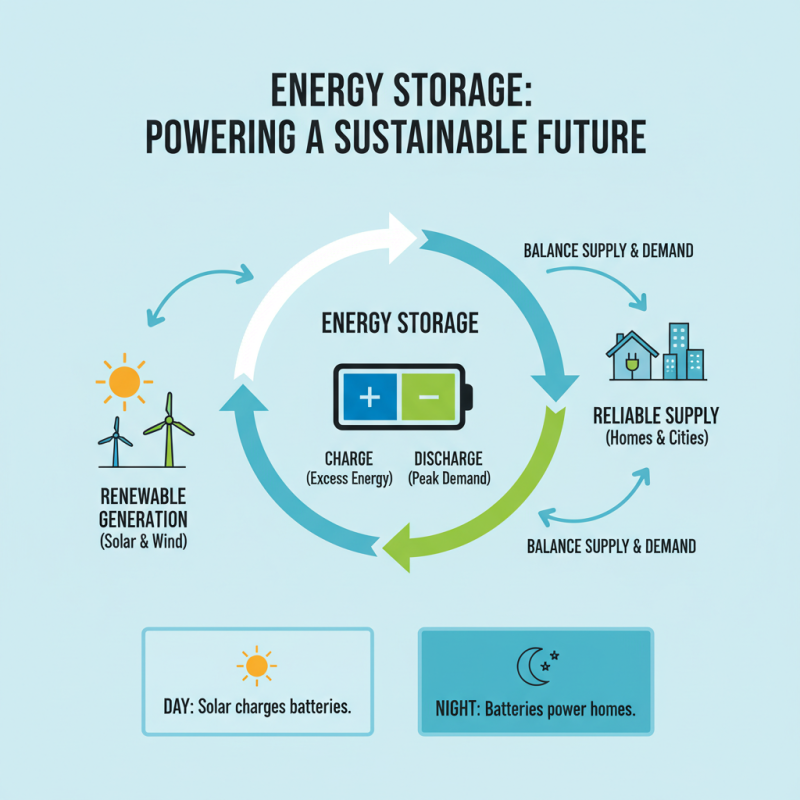
Energy storage technologies play a vital role in our transition to a sustainable future. They can store excess energy generated from renewable sources like solar and wind. This stored energy can then be utilized during peak demand hours. For instance, during sunny days, excess solar power can charge batteries. Later, this energy can be used when the sun isn’t shining. This capability helps balance supply and demand.
However, challenges remain in energy storage development. Current technologies often fluctuate in cost and efficiency. Many storage systems still have limited lifespans and may not be environmentally friendly themselves. Reflecting on these issues, we must prioritize improving the sustainability of these technologies. Newer materials and designs may lead to breakthroughs. Exploring innovative energy storage solutions can pave the way for a cleaner energy grid.
We often overlook the necessity of recycling outdated storage systems. Waste management in energy storage is crucial. The focus should not only be on energy generation but also on sustainable disposal methods. It’s essential to consider life cycles of these technologies thoughtfully. Addressing these challenges is key to genuinely achieving a sustainable future.
Conclusion
The article "Top Renewable Power Solutions for a Sustainable Future" explores various avenues for harnessing renewable energy to create a sustainable world. It highlights the rise of solar energy, noting its increasing capacity and promising future prospects, which position it as a cornerstone of renewable power solutions. Innovations in wind energy are also discussed, showcasing efficiency gains and evolving global market trends that reflect a shift toward cleaner energy sources.
Additionally, the article reveals the delicate balance between hydropower production and environmental impact, emphasizing the need for responsible management. Emerging technologies in energy storage are presented as critical components in enhancing sustainability, while geothermal energy is examined for its regional opportunities and untapped potential. Collectively, these renewable power solutions provide a comprehensive framework for transitioning to a sustainable energy future.