+1 (858) 842-1249 

info@site_cc52bd27-560c-4f9d-bd66-63718fc42539 

sales@site_cc52bd27-560c-4f9d-bd66-63718fc42539

10 Solar Power Solutions Buying Tips for Global Buyers

Choosing solar equipment across borders is rarely as simple as comparing prices online. Reliable solar power solutions must match your location, energy demand, climate, and maintenance capacity. A coastal warehouse may need corrosion-resistant components, while a rural clinic may prioritize battery storage and dependable technical support. Roof size matters. So does afternoon shade.

This guide presents ten practical buying tips for global purchasers. It considers panel performance, inverter compatibility, battery safety, certifications, warranty terms, installation quality, and long-term operating costs. Experienced buyers should request measured load data, not rely on optimistic estimates. Ask suppliers for test reports, product traceability, and clear after-sales procedures. Local installers can also reveal problems that product brochures hide.

Cheap equipment can become expensive after one failed inverter or delayed replacement part. That risk is easy to underestimate. Currency changes, shipping conditions, import requirements, and regional grid standards may affect the final investment. Even professional planning has limits; weather patterns and actual usage can differ from forecasts. A careful review should therefore include realistic scenarios, spare-part access, and documented supplier experience. The goal is not to find the most powerful system, but a safe, verifiable, and suitable solution that performs consistently in real conditions.
10 Solar Power Solutions Buying Tips for Global Buyers

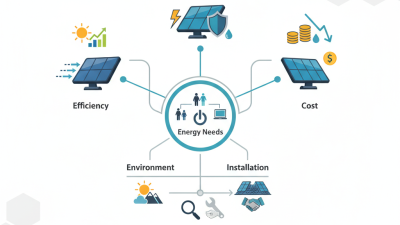
Define Your Energy Needs and Solar Project Goals

Before comparing solar equipment, define what the site must accomplish. Review twelve months of electricity bills, interval data, operating hours, and seasonal demand. Separate essential loads from flexible ones, such as pumps, refrigeration, heating, or daytime charging. A clinic needs dependable power during outages, while a warehouse may prioritize daytime cost reduction. The goal changes the system design.

Record peak demand in kilowatts, monthly energy use in kilowatt-hours, and acceptable outage duration. Then inspect the roof or ground area, shading, wind exposure, drainage, and maintenance access. A site visit often reveals obstacles that drawings miss, including dust, corrosion, weak roofs, or nearby trees. Do not estimate production from annual sunlight alone. Use local solar data, temperature ranges, and verified performance assumptions. Check grid connection rules and electrical requirements in the project country.

For remote projects, include batteries, generator coordination, spare parts, and technician response times. Write measurable targets before requesting quotations: offset 70 percent of annual use, provide eight hours of backup, or reduce peak demand. Ask suppliers to show calculation methods, degradation assumptions, warranties, safety certifications, and commissioning tests. Early estimates are often too optimistic. Future expansion, changing tariffs, or lower-than-expected production can alter payback. Leave room for revision.

Solar Power Solutions Buying Tips: Define Energy Needs and Project Goals

Estimated photovoltaic capacity for common project goals, calculated from daily electricity demand using 4 peak-sun-hours per day and an 80% system performance ratio.

Planning formula: required PV capacity = daily energy demand ÷ (peak-sun-hours × system performance ratio). Actual sizing should also consider location, seasonal sunlight, battery autonomy, shading, load growth, and local regulations.

Compare Solar Technologies, System Designs, and Power Capacities

Global buyers should compare solar technologies by climate performance, not brochure efficiency. Monocrystalline modules usually suit limited roofs because they produce more power per square metre. Thin-film options can perform steadily in hot conditions, but they often need more mounting area. Bifacial modules may capture reflected light from pale roofs or gravel. Their extra output depends heavily on spacing, surface colour, and seasonal sun angles. A site visit matters more than a spreadsheet.

System design determines whether rated capacity becomes useful electricity. A grid-connected system may reduce daytime bills, while an off-grid design needs batteries and backup planning. Hybrid systems can shift stored energy into evening hours, but battery losses reduce usable capacity. Compare kilowatts for peak output and kilowatt-hours for daily energy needs. For example, a five-kilowatt array may produce less than expected under winter clouds or dusty modules. Ask for hourly production estimates, shading analysis, inverter limits, and battery degradation assumptions. These details expose optimistic proposals.

Capacity should follow measured demand, not an impressive number. Review twelve months of electricity bills and identify motors, pumps, heating, or cooling peaks. Leave room for future loads, yet avoid oversizing equipment that remains underused. I have seen buyers focus on panel count and overlook cable routes, roof access, and maintenance space. That mistake is expensive to correct. Compare warranties, installer credentials, monitoring accuracy, local service response, recycling arrangements, and compliance with local grid requirements. Independent engineering review is worthwhile when several technologies appear similar.

Evaluate Product Quality, Certifications, and Supplier Reliability

Global buyers should treat solar equipment quality as a documented process, not a polished sample. The IEA’s Renewables 2024 report states that solar PV represented about three-quarters of global renewable capacity additions in 2023. That scale increases the risk of inconsistent materials and rushed production. Check IEC 61215 testing for module design and IEC 61730 safety compliance. Request complete test reports, not certificate images alone. Verify the laboratory, test dates, model numbers, and whether the documents match the shipment.

Supplier reliability needs evidence beyond a long warranty. Review factory audit records, quality-control procedures, production capacity, and replacement response times. ISO 9001 certification can indicate a controlled management system, but it does not prove excellent module performance. Ask for electroluminescence images, flash-test results, serial-number traceability, and records of incoming material inspection. A reliable supplier should explain degradation assumptions clearly. Vague promises deserve caution.

Price comparisons also need technical context. IRENA’s Renewable Power Generation Costs in 2023 reported utility-scale solar PV’s global weighted-average LCOE at about USD 0.044 per kWh. Lower equipment prices may look attractive, yet premature failures can raise lifetime costs through downtime and labor. Request references from projects in similar climates, especially high humidity, desert heat, or coastal salt exposure. Certificates can expire. Factory conditions can change. I would still arrange an independent pre-shipment inspection, because even a careful evaluation can miss defects.

10 Solar Power Solutions Buying Tips for Global Buyers - Evaluate Product Quality, Certifications, and Supplier Reliability

No. Buying Dimension What to Evaluate Documents or Data to Request Practical Buying Benchmark Risk if Unverified
1 Solar Module Quality Review the module technology, rated power, efficiency, temperature coefficient, mechanical load rating, and resistance to environmental stress. Current product datasheet, independent test report, factory quality-control records, and serial-number traceability procedure. Compare products using the same test conditions and confirm that electrical ratings are supported by laboratory test data. High
2 Product Safety Certification Confirm that the module and associated equipment meet the safety requirements applicable in the destination market. Relevant conformity certificates and test reports, such as IEC 61730 for photovoltaic module safety where applicable. Check certificate scope, product model, testing laboratory, issue date, and whether the certificate remains valid for the exact configuration. High
3 Performance and Durability Standards Assess whether the module has been evaluated for design qualification, climate exposure, humidity, thermal cycling, and mechanical stress. Applicable design-qualification test reports, including IEC 61215 where relevant, plus extended reliability or climate-testing results. Use test evidence that matches the intended installation environment, including coastal, desert, cold, humid, or high-wind conditions. High
4 Inverter and Energy-Storage Compliance Verify electrical safety, grid compatibility, protection functions, operating temperature range, battery chemistry, and system communication capability. Inverter and battery datasheets, applicable safety reports, grid-code compliance documents, protection test results, and installation manuals. Confirm compatibility with the destination grid frequency, voltage, export-control rules, and local energy-storage requirements. High
5 Warranty Conditions Separate the product warranty from the performance warranty and examine exclusions, claim procedures, labor coverage, and remedies. Signed warranty terms, degradation schedule, replacement policy, response-time commitment, and evidence of warranty support in the target region. Ensure warranty terms identify the responsible legal entity and remain practical if the project is installed outside the supplier's home market. High
6 Supplier Manufacturing Capability Evaluate production capacity, process control, quality inspection stages, subcontracting practices, and consistency between samples and mass production. Factory audit report, production-flow description, quality-management certificate such as ISO 9001, inspection plan, and batch records. Prefer suppliers that can provide traceability from incoming materials through final inspection and shipment. Medium
7 Independent Quality Verification Do not rely only on supplier-issued data; verify critical claims through an independent laboratory, inspection company, or buyer-witnessed inspection. Pre-shipment inspection report, factory acceptance test, calibration certificates, electroluminescence images, and measured power-sorting results. Use independent verification for the first order, high-value projects, new suppliers, or products with limited operating history. Medium
8 Supply-Chain and Delivery Reliability Assess material availability, production lead time, packaging protection, shipping responsibilities, customs documentation, and spare-parts planning. Production schedule, packaging specification, bill of materials, shipping plan, export documents, and documented on-time delivery records. Build schedule allowance for certification review, pre-shipment inspection, port delays, customs clearance, and replacement of damaged goods. Medium
9 Total Cost of Ownership Compare energy yield, installation effort, balance-of-system requirements, maintenance, replacement parts, financing, logistics, duties, and disposal obligations. Itemized quotation, energy-yield assumptions, installation drawings, maintenance schedule, spare-parts price list, and landed-cost calculation. Compare cost per expected lifetime energy output rather than purchase price alone, using the same site conditions and degradation assumptions. Medium
10 After-Sales Service and Local Support Confirm technical training, commissioning support, troubleshooting procedures, software access, replacement-part availability, and communication channels. Service-level agreement, support contact list, escalation process, training plan, remote-monitoring policy, and local service-partner details. Define response times, spare-parts responsibilities, remote diagnostic access, and reporting requirements before signing the purchase contract. High

Calculate Total Costs, Financing Options, and Long-Term Savings

For global buyers, the lowest panel price rarely means the lowest lifetime cost. Build a project cost sheet before comparing quotations. Include modules, inverters, mounting, shipping, duties, installation, permits, insurance, monitoring, replacement parts, and recycling. Add annual maintenance and expected downtime. IRENA’s Renewable Power Generation Costs in 2023 reports utility-scale solar PV at a global weighted-average cost of USD 0.044 per kWh. Local labor, grid upgrades, and weather can change that result sharply.

Calculate annual savings from actual tariffs, not optimistic brochures. Separate self-consumption savings, export revenue, demand-charge reductions, and avoided diesel use. Model degradation, inflation, exchange rates, curtailment, and battery replacement. Your spreadsheet should show payback, net present value, and levelized cost under conservative, expected, and stressed cases.

Lazard’s Levelized Cost of Energy+ v17.0 places utility-scale solar near USD 29–92 per MWh, before project-specific financing and site conditions. The range matters. A cheap system can become expensive after weak grid studies or a short service warranty.

Financing may dominate the equation. Compare cash purchases, leases, power-purchase contracts, green loans, and blended finance. IEA’s World Energy Investment 2024 notes that financing costs in emerging and developing economies can be at least twice advanced-economy levels. Request interest rates, fees, grace periods, collateral, currency exposure, and early-payment terms in writing. Check who owns the equipment and pays for failures. Disclose every assumption. Pilot data may disappoint, but it can prevent a costly second phase.

Review Installation, Warranty, Maintenance, and Local Support Services

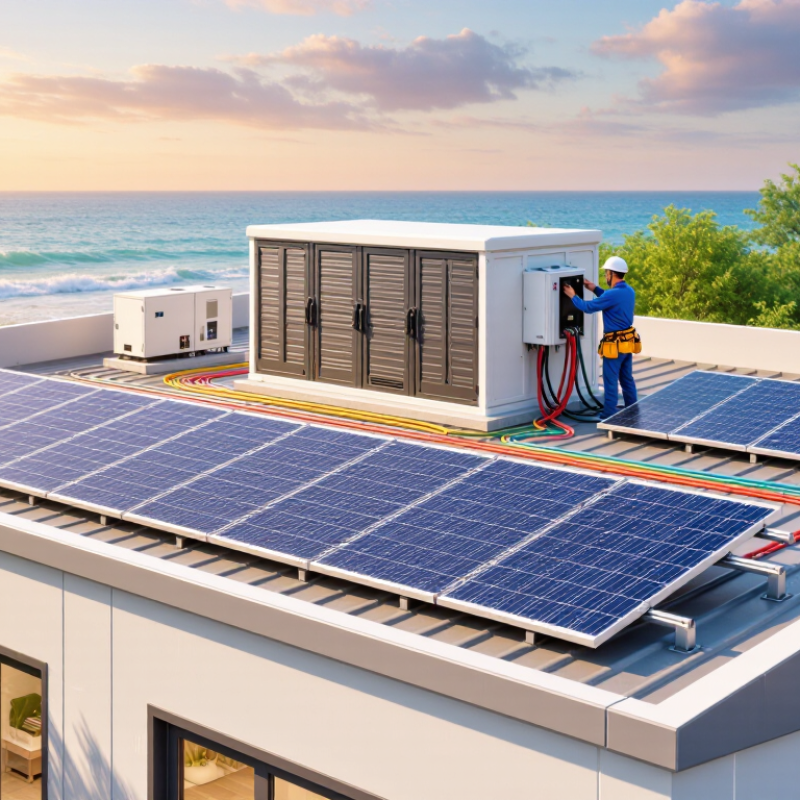
Solar equipment is only as reliable as its installation. The IEA reported nearly 410 gigawatts of solar capacity additions in 2023, increasing pressure on installer quality worldwide. Ask for a site survey, structural calculations, shading analysis, and a clear commissioning checklist. Check cable routing, roof penetrations, grounding, drainage, and emergency shutdown access. Request photographs of hidden work. Small details matter. A low-cost installation can become expensive when water reaches the roof or connectors loosen.

Warranty language deserves careful reading. Separate product warranties from performance warranties, labor coverage, shipping duties, and exclusions. IRENA’s Renewable Capacity Statistics 2024 recorded global solar capacity above 1,400 gigawatts at the end of 2023. This scale makes warranty administration more important, not less. Confirm who handles claims in your country and how replacement equipment is supplied. A ten-year promise is weak if support requires overseas shipping and unfamiliar documentation.

Maintenance should be practical, not decorative. NREL research commonly places crystalline-silicon module degradation near 0.5% annually, but dust, heat, poor ventilation, and shading can accelerate losses. Ask for inspection intervals, monitoring access, cleaning methods, spare-part availability, and response times. Test the support channel before payment. Send a technical question and measure the reply. Local technicians, language support, and stocked replacement parts may protect production better than a slightly higher rated efficiency. I would also leave room for doubt: projected savings are estimates, and local weather data can be imperfect.

CORPORATE HEADQUARTERS

North America

California

AGIC Energy North America LLC
13025 Danielson Street, Suite 105
Poway, CA 92064 – USA
Phone Number: +1 (858) 842 1513
Email: info@site_cc52bd27-560c-4f9d-bd66-63718fc42539
Sales: sales@site_cc52bd27-560c-4f9d-bd66-63718fc42539