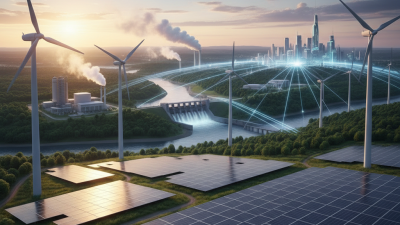
What is Sustainable Energy Solutions and How Can They Benefit Our Future
The urgency for transitioning to sustainable energy solutions has never been more pronounced, as global energy demands surge alongside concerns regarding climate change and environmental degradation. According to the International Energy Agency (IEA), the world’s energy consumption is projected to increase by 30% by 2040, necessitating a significant shift towards sustainable alternatives to meet this growing demand while reducing greenhouse gas emissions. Sustainable energy solutions not only encompass renewable energy sources such as solar, wind, and hydroelectric power but also involve increasing energy efficiency and promoting sustainable practices in energy consumption.
Implementing sustainable energy solutions presents numerous benefits for our future, including enhanced energy security, job creation, and economic growth. A report by the International Renewable Energy Agency (IRENA) indicates that transitioning to renewable energy could create an estimated 24 million jobs globally by 2030. Furthermore, the cost of renewable technologies has dropped dramatically over the past decade, making them more accessible and economically viable than ever. As nations strive to meet their climate commitments under the Paris Agreement, sustainable energy solutions will play a pivotal role in achieving decarbonization goals while fostering a resilient and sustainable economy for generations to come.
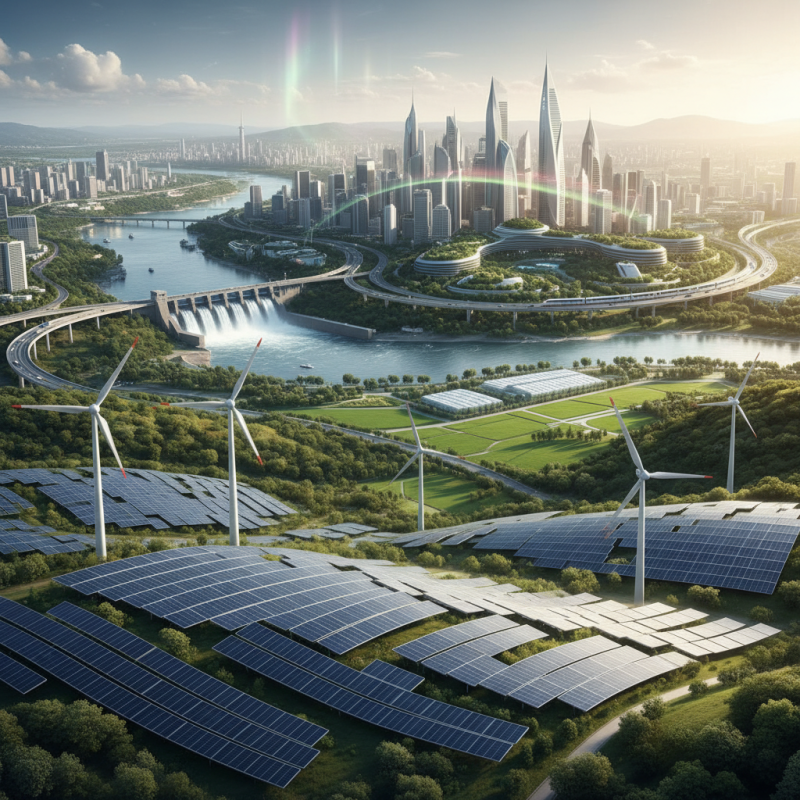
Definition of Sustainable Energy Solutions
Sustainable energy solutions refer to energy sources and technologies that meet present energy needs without compromising the ability of future generations to meet theirs. These solutions predominantly involve renewable energy sources, such as solar, wind, hydroelectric, and geothermal power. Unlike fossil fuels, which generate harmful emissions and are finite, sustainable energy focuses on harnessing natural processes that replenish over time, thereby offering a cleaner, more reliable energy landscape.
One key characteristic of sustainable energy solutions is their ability to reduce dependence on non-renewable resources, leading to lower greenhouse gas emissions and a decrease in air pollution. By investing in renewable energy infrastructure and improving energy efficiency, societies can transition towards a more sustainable future, fostering economic growth while promoting environmental stewardship.
Tips: To further enhance the adoption of sustainable energy results, individuals can implement simple practices in daily life, such as using energy-efficient appliances or transitioning to hybrid or electric vehicles. Local initiatives, such as community solar projects, can also create a collective impact, engaging neighborhoods in sustainable practices and encouraging governmental support for renewable energy policies.
What is Sustainable Energy Solutions and How Can They Benefit Our Future - Definition of Sustainable Energy Solutions
| Dimension |
Description |
Benefits |
| Renewable Energy Sources |
Energy derived from resources that are naturally replenished, such as solar, wind, hydro, and geothermal. |
Reduction of greenhouse gas emissions and decrease dependence on fossil fuels. |
| Energy Efficiency |
Utilizing technology or practices that use less energy to provide the same service. |
Lower energy bills and minimized waste, leading to an overall reduction in energy consumption. |
| Smart Grids |
Modernized electrical grids that use digital communication technology to detect and react to local changes in usage. |
Enhanced reliability, resilience, and optimization of energy distribution. |
| Energy Storage Solutions |
Technologies that store energy for use at a later time, such as batteries and pumped hydro storage. |
Ensures a stable energy supply, accommodating the variability of renewable sources. |
| Sustainable Transportation |
Transportation methods that reduce environmental impact, including electric vehicles and public transit. |
Lower emissions, reduced traffic congestion, and decreased fossil fuel dependence. |
Types of Sustainable Energy Sources and Technologies
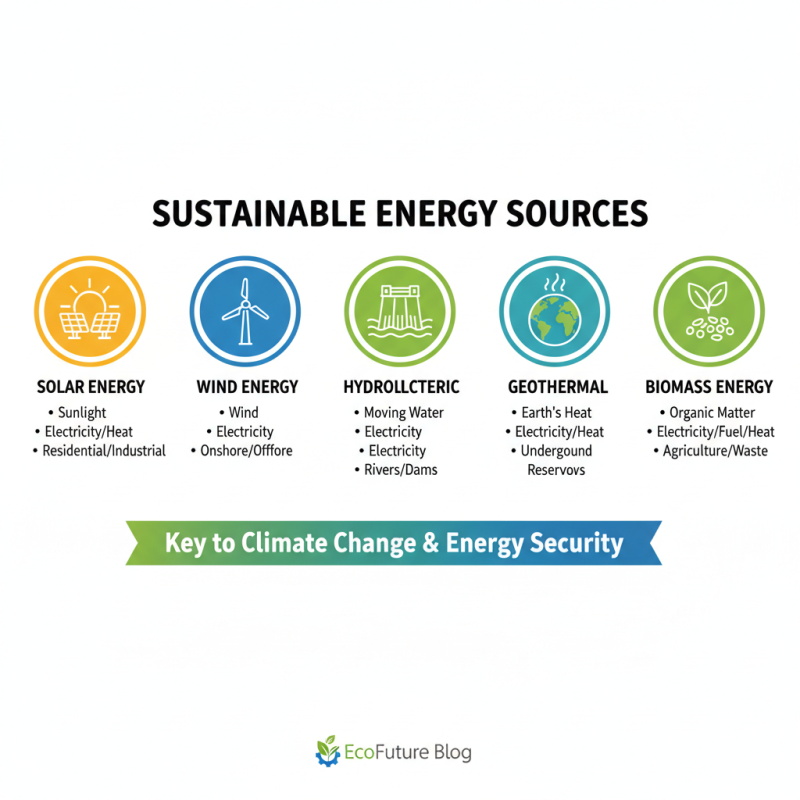
Sustainable energy sources are vital for addressing the dual challenges of climate change and energy security. Among the most prominent types are solar, wind, hydroelectric, geothermal, and biomass energy. Solar energy harnesses sunlight through photovoltaic cells or solar thermal systems to generate electricity or heat. This form of energy is abundant and can be utilized on both residential and industrial scales, making it a versatile solution for power generation.
Wind energy, derived from the kinetic energy of moving air, is captured using wind turbines. These turbines convert wind energy into electricity, providing a clean alternative to fossil fuels. Wind farms can be established both onshore and offshore, contributing significantly to the energy mix in many regions. Hydroelectric power, produced by harnessing the energy of flowing water, remains one of the oldest and most reliable renewable sources. It not only generates electricity but also helps in managing water resources effectively.
Geothermal energy taps into the Earth's internal heat, providing a constant energy source for heating and electricity generation. This technology is particularly beneficial in regions with volcanic activity. Lastly, biomass energy utilizes organic materials, such as plant and animal waste, to produce electricity and heat, offering a way to recycle waste while generating energy. Collectively, these sustainable energy technologies represent a crucial pathway towards a cleaner, more resilient energy future.
Economic Benefits of Sustainable Energy for Future Generations
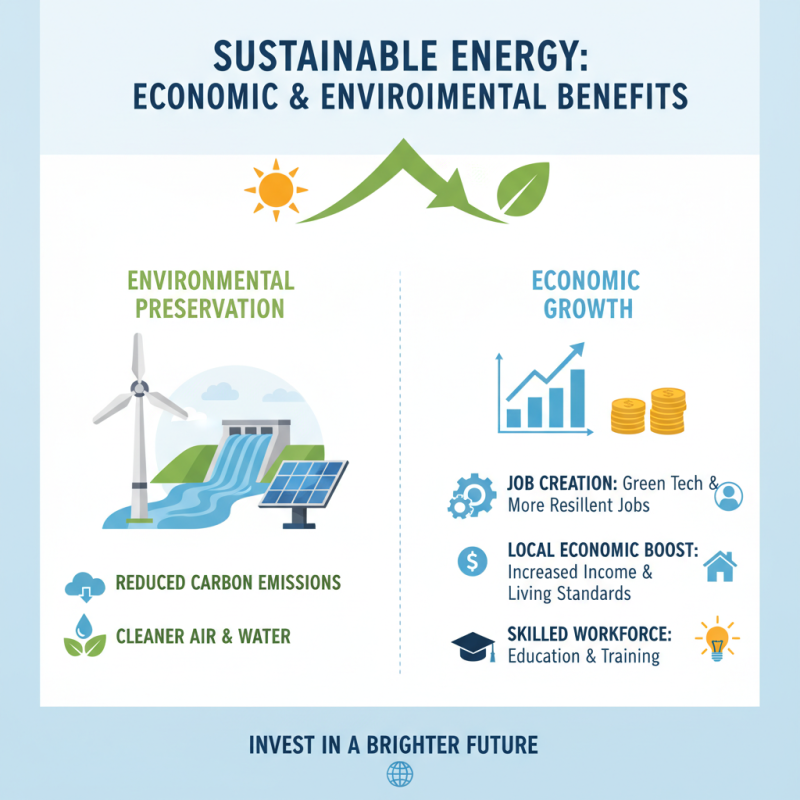
The transition to sustainable energy solutions is not only vital for environmental preservation but also offers substantial economic advantages for future generations. By investing in renewable energy sources such as solar, wind, and hydroelectric power, communities can create jobs in emerging industries. These jobs are often more resilient to economic fluctuations and can stimulate local economies, leading to increased income and improved living standards. Moreover, as the demand for renewable energy systems grows, education and training programs can develop a skilled workforce, further enhancing employment opportunities.
Additionally, sustainable energy solutions can lead to significant long-term savings. Traditional energy sources are subject to price volatility, but renewable energy offers a more stable price structure due to the availability of natural resources. By reducing dependence on fossil fuels, governments and households can lower energy costs over time, which allows for reallocating funds to other essential services such as education and healthcare. Furthermore, the positive environmental impact associated with sustainable energy contributes to reduced healthcare costs, as cleaner air and reduced pollution lead to better public health outcomes. Overall, the economic benefits of sustainable energy are invaluable, paving the way for a more prosperous future for generations to come.
Environmental Impacts of Sustainable Energy Adoption
The transition to sustainable energy sources has far-reaching environmental impacts that can significantly benefit our planet's health. By adopting renewable energy technologies such as solar, wind, and hydropower, we can dramatically reduce greenhouse gas emissions, which are a major contributor to climate change. These energy solutions help mitigate air pollution, leading to cleaner air and a decrease in health issues associated with respiratory diseases. As communities shift towards sustainable practices, the reduced reliance on fossil fuels not only curtails the depletion of natural resources but also preserves biodiversity by minimizing habitat destruction associated with traditional energy extraction.
Moreover, sustainable energy adoption encourages a more circular economy. By embracing technologies that harness renewable resources, we create a more resilient energy infrastructure that can adapt to the changing climate while ensuring energy security. The infrastructure needed for sustainable energy often requires fewer inputs and produces less waste, contributing to a decrease in environmental degradation. As we invest in these solutions, the emphasis on sustainability fosters innovation and job creation in clean technology sectors, ultimately steering societies towards a more sustainable and equitable future. The move towards sustainable energy represents more than just a shift in energy sources; it signifies a commitment to environmental stewardship that benefits both current and future generations.
Environmental Impacts of Sustainable Energy Adoption
Challenges and Solutions in Implementing Sustainable Energy Practices
Implementing sustainable energy practices presents a myriad of challenges that must be navigated to achieve a cleaner, more sustainable future. One significant hurdle is the initial capital required for the development and installation of renewable energy technologies. Many projects, such as solar farms or wind turbine installations, demand substantial investment upfront, which can deter local governments and private entities from committing to long-term sustainability measures. Moreover, there is often a lack of infrastructure in place to support these technologies, especially in developing regions, where access to resources and technology may be limited.
Another challenge lies in the integration of sustainable energy solutions into existing energy systems. Transitioning from traditional fossil fuel-based energy sources to renewables requires careful planning and coordination. The variability of renewable sources, such as solar and wind, complicates grid management and can lead to reliability issues if not addressed. Effective policy frameworks and technological advancements, such as energy storage solutions, are crucial for overcoming these obstacles. Education and community engagement also play vital roles; stakeholders must understand the benefits of sustainable energy to foster support and participation in transition efforts.