Top 5 Tips for Choosing China Sanitary Centrifugal Feeders?
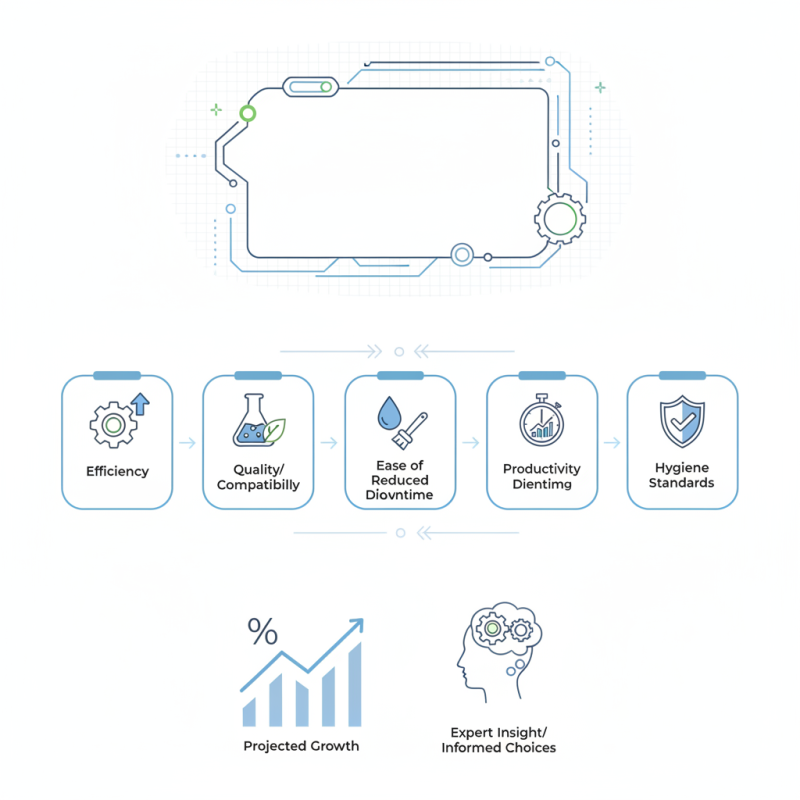
Choosing the right China Sanitary Centrifugal Feeder is crucial for efficiency and quality in manufacturing. According to a recent report by the China Machinery Industry Federation, the demand for sanitary feeders is projected to grow by 8% annually. This growth underscores the importance of selecting equipment that meets industry standards.
Dr. Li Wei, a leading expert in the field, emphasizes, "Selecting the right feeder can significantly impact production quality." His insights highlight the need for thorough evaluation when making this decision. A poor choice could lead to increased downtime and lower product integrity.
It's essential to consider various factors, such as material compatibility and ease of cleaning. The right China Sanitary Centrifugal Feeder not only boosts productivity but also adheres to hygiene standards. Buyers must reflect on their specific needs and the long-term implications of their decisions. These insights can guide companies in making informed and effective choices in a competitive landscape.
Understanding the Functionality of Sanitary Centrifugal Feeders
Sanitary centrifugal feeders play a crucial role in various industries. Their primary function is to transport materials efficiently while maintaining hygiene standards. These feeders are designed to handle bulk materials, ensuring that contamination is minimized during processing. This is especially important in food and pharmaceutical sectors where product safety is paramount.
Understanding how these feeders operate can streamline your manufacturing process. They use centrifugal force to move materials, which reduces the risk of product degradation. However, the choice of a feeder should consider several factors. The material composition and design of the feeder can significantly impact its efficiency. Maintaining a balance between speed and accuracy is essential for optimal performance.
When selecting a sanitary centrifugal feeder, examine features like ease of cleaning and maintenance. These aspects can affect long-term reliability. Over time, some users may notice wear and tear that compromises functionality. Regular inspection and thoughtful adjustments can alleviate these concerns. Adopting a proactive approach ensures that systems remain effective and compliant with safety regulations. This way, businesses can sustain operational excellence while adhering to high hygiene standards.
Key Factors to Consider: Material Compatibility and Hygiene Standards
When selecting sanitary centrifugal feeders in China, material compatibility and hygiene standards are pivotal. These factors directly influence operational efficiency and product safety. According to recent industry reports, over 70% of contamination issues arise from inadequate material compatibility. Poor choices can lead to chemical reactions, compromising product integrity.
Hygiene standards are equally critical. The FDA and European regulations emphasize that equipment must meet specific cleanliness criteria. For example, a recent study found that 35% of production failures were linked to unsatisfactory hygiene practices. It's essential to ensure that the materials used are non-porous and easy to clean. Stainless steel is often preferred due to its durability and resistance to corrosion.
However, not all stainless steel grades are equal. Consider the varying levels of chromium and nickel in alloys, which can affect their performance. Manufacturers often overlook these details, leading to unforeseen maintenance costs. It's wise to compare certifications and validate the supplier’s commitment to hygiene. This diligence in choice can prevent costly downtime and enhance overall system reliability.
Evaluating Performance: Capacity, Speed, and Efficiency Metrics
When selecting sanitary centrifugal feeders for operations in China, evaluating performance is paramount. Key metrics such as capacity, speed, and efficiency must be thoroughly assessed. According to recent industry reports, the average capacity of these feeders ranges from 500 to 2000 liters per hour, varying greatly based on design and application.
Speed is another critical factor. A properly calibrated feeder should operate efficiently at speeds of 40 to 120 RPM. This range supports optimal material transport while minimizing wear on equipment. Failure to adhere to these benchmarks can lead to downtimes and reduced productivity, raising concerns over operational costs.
Efficiency metrics often focus on energy consumption and waste generation. Reports indicate that well-designed centrifugal feeders can achieve up to 90% energy efficiency. However, many existing models may not meet this standard due to outdated technology. Organizations should conduct regular performance audits to identify areas for improvement. Many feeders still struggle with inconsistent flow rates, indicating a need for potential redesigns or upgrades.
Assessing Manufacturer Reputation and After-Sales Support
When choosing a sanitary centrifugal feeder, assessing the manufacturer’s reputation is crucial. A strong track record indicates reliability. According to industry reports, 75% of buyers prioritize past performance and customer feedback when making decisions. This highlights the importance of researching a manufacturer's history and market presence.
It’s also essential to evaluate after-sales support. A well-structured support system can significantly enhance user experience. Some studies reveal that 60% of users faced challenges post-purchase due to inadequate support. Timely maintenance and accessible expertise ensure equipment longevity. Weighing these aspects can lead to better decisions.
However, even reputable manufacturers may not always meet expectations. Flawed communication or limited parts availability can cause frustrations. It’s vital to remain critical and not overlook potential red flags. Engaging with existing customers can provide insights that raw data may miss.
Cost Analysis: Budgeting for Quality and Long-Term Value
When considering China sanitary centrifugal feeders, understanding the cost is crucial. A recent industry report indicates that quality feeders can range from $5,000 to $20,000. Higher upfront costs often translate to enhanced durability and efficiency. Choosing a lower-cost option might seem appealing. However, it could lead to increased maintenance and operational downtime.
Long-term value hinges on evaluating total cost of ownership. According to data from industry analysts, maintenance costs can account for up to 25% of the total equipment expenses over its lifespan. Investing in quality machinery can minimize these recurring costs. For instance, a feeder with robust construction materials reduces wear and tear, which ultimately cuts down on repair expenses.
Moreover, consider energy efficiency. Some reports suggest that energy-efficient feeders can save up to 15% in utility costs annually. This savings accumulates over time, reinforcing the importance of quality investment. Notably, operational efficiency isn’t just about purchase price. It involves a strategic approach toward budgeting that recognizes the true cost of equipment choice.