Top 10 Renewable Energy Solutions for Global Buyers?
In an era defined by climate change and energy insecurity, the search for effective renewable energy solutions has never been more urgent. Businesses and governments worldwide are keenly interested in alternatives that promise sustainability and resilience. These solutions are not just theoretical; they are essential for combating environmental degradation and fostering economic growth.
The top 10 renewable energy solutions represent a diverse array of technologies and practices. From solar energy to wind power, each option offers distinct advantages and challenges. Navigating this landscape requires expertise. Buyers need to evaluate what works best for their specific circumstances. Some solutions may seem simple, yet they often come with unforeseen complexities.
As global demand for energy rises, the transition to renewables isn't without its obstacles. Availability, cost, and infrastructure are significant barriers that need careful consideration. Understanding these factors is key to making informed choices. The potential for innovation exists, but there are also lessons to learn from past implementations. Each renewable energy solution carries its own story, inviting reflection on both successes and failures.
Overview of Renewable Energy and Its Importance in Today's Market
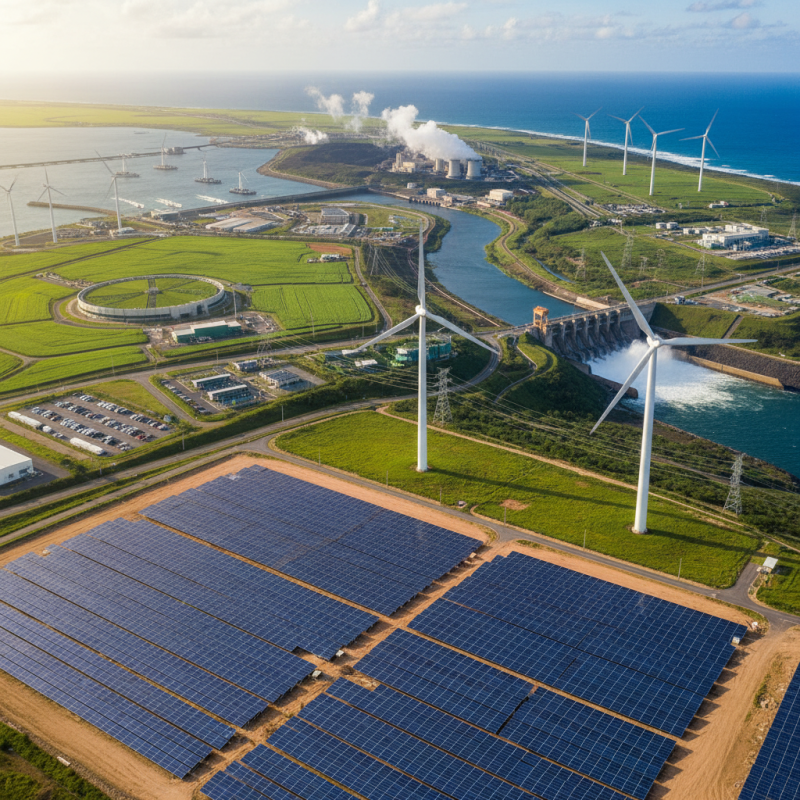
Renewable energy plays a crucial role in today's market. It reduces reliance on fossil fuels and mitigates climate change. Solar, wind, and hydropower are at the forefront. These solutions are not just for eco-conscious consumers; they are essential for economic stability. Many countries recognize the value of local renewable resources. This shift can lead to energy independence.
Despite its benefits, challenges remain. Implementing renewable infrastructure can be costly and time-consuming. Energy storage technologies have not advanced as quickly as needed. This affects how effectively renewable sources can power communities. There's also the issue of land use. Large solar farms and wind turbines can disrupt local ecosystems. Policymakers must weigh these trade-offs carefully.
Adopting renewable energy is more than a trend; it's a necessity. Communities must invest strategically in these solutions. Innovation is needed in technologies and policies. Responsible approaches can lead to sustainable growth. As markets evolve, the focus on renewable energy will become even more critical. Balancing progress and preservation is key.
Top 10 Renewable Energy Solutions for Global Buyers
This chart displays the global installed capacity of various renewable energy solutions in gigawatts (GW). Solar and wind energy lead in capacity, showcasing their importance in today's market for sustainable energy solutions.
Solar Energy Solutions: Benefits and Innovations for Global Buyers
Solar energy is rapidly transforming the landscape of global energy solutions. Its benefits are clear: it harnesses sunlight, a free and abundant resource. Advances in technology have made solar panels more efficient and accessible. This innovation allows businesses to reduce energy costs and carbon footprints simultaneously.
However, challenges persist. Not all regions receive consistent sunlight, which can affect solar energy outputs. Additionally, the initial investment in solar technology can be daunting for many buyers. Ongoing maintenance and the eventual need for panel replacement also require careful consideration. Some buyers may overlook these aspects when planning their transition to solar energy.
Despite these challenges, the long-term rewards often outweigh the drawbacks. Many companies are adopting solar energy as part of their sustainable practices. As the industry evolves, collaboration and knowledge-sharing among global buyers can lead to improved solutions. This collective effort can enhance the reliability and efficiency of solar energy. Exploring these innovations is essential for those serious about leveraging solar energy effectively.
Top 10 Renewable Energy Solutions for Global Buyers - Solar Energy Solutions: Benefits and Innovations for Global Buyers
| Solution Type | Key Benefits | Innovations | Market Relevance |
|---|---|---|---|
| Photovoltaic Systems | Reduction in electricity bills | Bifacial panels | High demand in residential markets |
| Solar Water Heating | Energy-efficient water heating | Integrated systems | Popular in commercial applications |
| Concentrated Solar Power (CSP) | Ability to store energy | Thermal energy storage solutions | Growing interest in utility-scale projects |
| Solar Tracking Systems | Increased energy production | Automated tracking technology | Widely adopted in large installations |
| Building Integrated Photovoltaics (BIPV) | Dual-use for structure and power | Architectural solar panels | Emerging trend in green building |
| Solar Microgrids | Energy independence | Smart grid technology | Increasing in off-grid areas |
| Hybrid Solar Systems | Maximize energy potential | Combination with wind or battery | Attractive for diverse clients |
| Solar LED Lighting | Energy savings and efficiency | Smart control systems | Popular in urban areas |
| Solar-Powered Desalination | Freshwater generation | Advanced membrane technologies | Crucial for water-scarce regions |
| Portable Solar Solutions | Convenience and mobility | Compact solar panels | Increasing popularity for camping |
Wind Energy Technologies: Trends and Opportunities for Investment
Wind energy technologies are rapidly evolving, attracting keen interest from global buyers. The demand for clean energy has surged, and wind power solutions stand out as a viable choice. New turbine designs and innovative materials improve efficiency. Offshore wind farms, with larger installations, are gaining traction. They harness stronger winds and contribute significantly to energy output.
Investors should note the potential challenges in wind energy. While the technology is advancing, the initial costs remain high. Developers face regulatory hurdles in many regions. Environmental concerns about turbine placement also arise. Balancing ecological impacts with energy production is crucial. Moreover, the long-term reliability of wind resources can vary.
Additionally, the market is witnessing shifts in supply chains. An increased focus on local production can enhance reliability. Encouraging collaborations between governments and enterprises may further drive growth. The future looks promising, but persistent issues call for careful consideration and innovative solutions. Navigating these complexities will determine the success of wind energy investments in the upcoming years.
Hydropower Systems: Harnessing Water Resources for Sustainable Power
Hydropower remains one of the most effective renewable energy solutions available today. This technology taps into the energy of flowing water to generate electricity. By utilizing rivers and streams, it converts kinetic energy into power. This method can be highly efficient and sustainable. Many countries rely on hydropower for a significant part of their energy needs.
However, harnessing water resources isn't without challenges. Environmental impacts must be carefully considered. Dams can disrupt local ecosystems and affect wildlife. Such disruptions may lead to a loss of biodiversity. Communities often face dilemmas between development and conservation. It's crucial to balance these needs.
Moreover, climate variability can affect water levels. Droughts and altered precipitation patterns can diminish hydropower output. Rural areas, often dependent on hydropower, face vulnerabilities in fluctuating conditions. To ensure long-term sustainability, innovations in hydro technology and adaptive management strategies are necessary. Understanding these complexities drives the need for responsible practices in hydropower development.
Emerging Renewable Technologies: Geothermal and Biomass Solutions
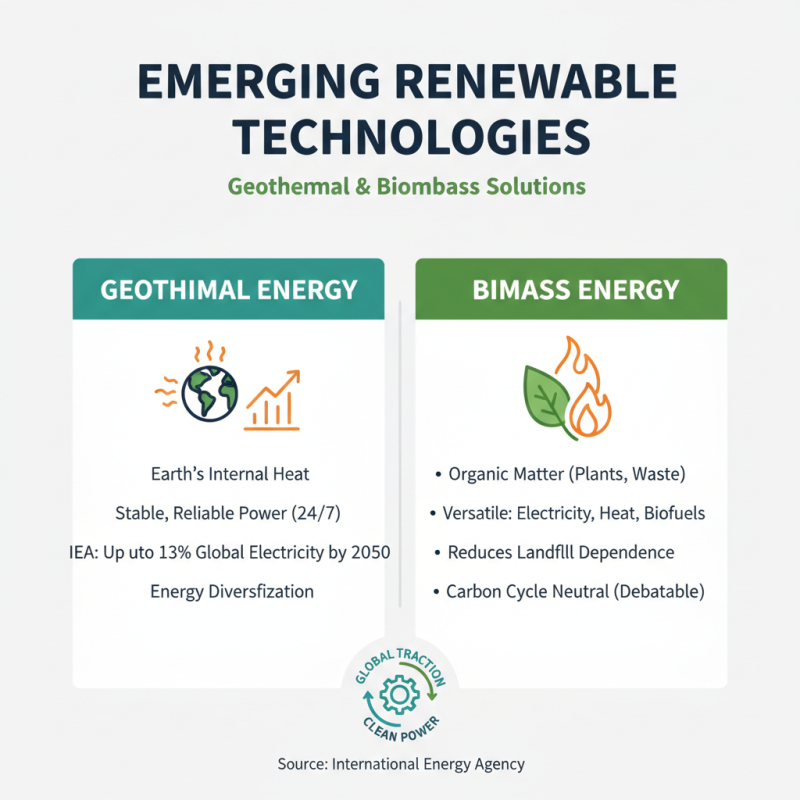
Geothermal and biomass energy are promising renewable technologies gaining traction globally. The International Energy Agency notes that geothermal energy has the potential to supply up to 13% of global electricity by 2050. This technology harnesses the Earth’s internal heat, offering a stable and reliable energy source. Unlike solar or wind, geothermal plants can provide consistent power generation, making them an attractive option for energy diversification.
Biomass energy, derived from organic materials, is also significant. According to the Renewable Energy Policy Network for the 21st Century, biomass accounted for about 10% of global energy consumption in 2020. This approach not only provides clean energy solutions but also addresses waste management challenges. However, it does have drawbacks; large-scale biomass production can lead to deforestation and increased emissions if not managed properly.
While both geothermal and biomass technologies present opportunities, challenges remain. Infrastructure investment is crucial for widespread adoption. Additionally, concerns about sustainability and environmental impact persist. Stakeholders must assess the trade-offs carefully. These renewable sources offer insights and require adaptation as global energy needs evolve.
Related Posts
-
2026 How to Choose Effective Green Renewable Energy Solutions?
-
2026 Top Renewable Solutions for a Sustainable Future?
-

2026 Top Green Energy Renewable Solutions to Watch for the Future?
-
2026 How to Choose the Best Solar Power Solutions for Your Home?
-
What is Energy Solutions for a Sustainable Future?
-
2026 Top Green Energy Storage Solutions for a Sustainable Future?
CORPORATE HEADQUARTERS
North America
California
AGIC Energy North America LLC
13025 Danielson Street, Suite 105
Poway, CA 92064 – USA
Phone Number: +1 (858) 842 1513
Email: info@site_cc52bd27-560c-4f9d-bd66-63718fc42539
Sales: sales@site_cc52bd27-560c-4f9d-bd66-63718fc42539