+1 (858) 842-1249 

info@site_cc52bd27-560c-4f9d-bd66-63718fc42539 

sales@site_cc52bd27-560c-4f9d-bd66-63718fc42539

Top 10 Green Energy Renewable Solutions Tips for Businesses?

In today's world, businesses face pressing energy challenges. The shift towards sustainability is more crucial than ever. One effective approach is adopting green energy renewable solutions. These solutions can significantly reduce carbon footprints and enhance operational efficiency.

Many companies still hesitate to embrace these changes. There is often uncertainty about costs and implementation. However, investing in renewable energy can lead to long-term savings. Companies can harness solar, wind, or biomass energy to power their operations. Each option offers unique benefits and drawbacks.

Recognizing these challenges is vital. Understanding the realities of transitioning to green energy renewable solutions can pave the way for smarter choices. Businesses must weigh their options carefully. It's more than just saving money; it's about creating a cleaner, sustainable future for all.

Top 10 Green Energy Renewable Solutions Tips for Businesses?

Understanding Green Energy: What It Means for Businesses

Understanding green energy is essential for today’s businesses. It refers to energy derived from renewable sources that have minimal environmental impact. This includes solar, wind, and hydroelectric power. Transitioning to green energy can enhance a company's reputation. It shows commitment to sustainability and corporate responsibility.


Implementing green solutions often requires initial investment. However, these investments can lead to long-term savings. Businesses can reduce utility costs and even benefit from tax incentives. Many firms struggle with the upfront costs. Balancing financial constraints and environmental goals can be challenging.


Businesses must also consider their energy consumption patterns. Are they using energy-efficient appliances? Regular audits can identify areas for improvement. Encouraging employees to adopt energy-saving practices can also help. Small changes can lead to significant reductions in carbon footprints over time.

Identifying the Most Effective Renewable Energy Sources for Companies

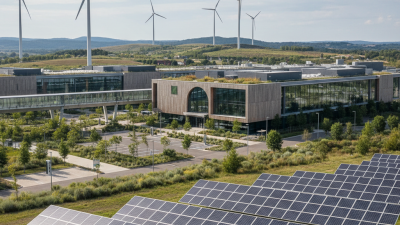
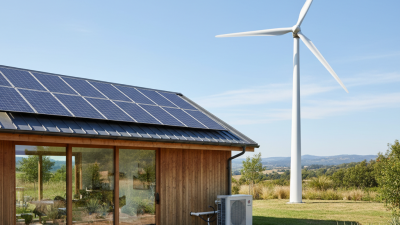
Identifying the most effective renewable energy sources can significantly enhance a company's sustainability efforts. Solar energy is one option. It involves installing solar panels on rooftops or land. This solution is becoming more mainstream. Many businesses report reduced electricity costs after switching to solar.

Wind energy is another valuable resource. Creating wind farms can generate substantial power. However, not all locations are suitable. Companies must assess wind patterns and site conditions carefully. Consulting with experts can help avoid costly mistakes.

Biomass energy is a less common alternative. It utilizes organic materials to produce energy. While it offers benefits, businesses need to be mindful of sourcing and sustainability. Not every biomass solution is environmentally friendly. Evaluating the lifecycle of materials used is crucial for responsible practices. Companies must remain vigilant in their energy choices to ensure the best outcomes.

Implementing Energy Efficiency Practices to Reduce Consumption

Energy efficiency is crucial for businesses aiming to reduce consumption. According to the U.S. Department of Energy, energy-efficient practices can cut energy usage in commercial buildings by 10% to 30%. This reduction can lead to significant cost savings, making it a vital strategy for companies looking to improve their bottom line.

Implementing simple changes, like upgrading lighting systems to LED or optimizing HVAC systems, can yield immediate benefits. A report from the American Council for an Energy-Efficient Economy (ACEEE) highlights that buildings utilizing energy-efficient technology can save up to $1.2 billion annually. However, many businesses struggle with execution. They often overlook regular maintenance and employee training, which are essential for sustaining efficiency gains.

Regular energy audits can identify areas for improvement. These assessments help organizations understand their consumption patterns and provide targeted solutions. Many companies report that without follow-up actions, initial savings can dwindle over time. Consistent monitoring and adjustments are necessary to maintain long-term benefits. Engaging staff in energy-saving programs can also enhance awareness and foster a culture of sustainability, yet it often requires considerable time and effort.

Incorporating Solar Power Solutions into Business Operations

Integrating solar power into business operations has gained traction. A recent report from the International Energy Agency (IEA) states that solar energy could provide over 23% of global electricity by 2030. This creates an opportunity for businesses to focus on sustainability.

Solar panels have become accessible and cost-effective. The U.S. Department of Energy highlighted a 40% drop in prices since 2010, making solar installations more feasible for small and medium-sized enterprises. In cities, solar installations can sometimes reduce operating costs by up to 75%.

However, some challenges exist. Many businesses may face space constraints for solar panel installations. Additionally, employees may need proper training to maintain these systems. Regular maintenance and the understanding of energy systems are critical. Businesses must weigh these factors against the long-term benefits.

Investing in solar technology is not just a trend; it’s a necessity. Each business must evaluate its unique circumstances. The move towards solar energy could be the key to sustainable operations.

Top 10 Green Energy Renewable Solutions Tips for Businesses

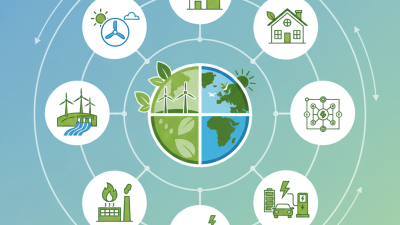
Tip No. Solution Benefits Implementation Steps
1 Install Solar Panels Reduces electricity costs, environmentally friendly Assess location, obtain permits, choose a provider, install.
2 Utilize Wind Energy Sustainable energy source, reduces dependency on fossil fuels Conduct wind assessments, select turbine, install at suitable site.
3 Implement Energy Efficiency Measures Lowers energy consumption, reduces operational costs Audit energy use, upgrade to energy-efficient appliances, educate staff.
4 Leverage Geothermal Heating and Cooling Reliable energy source, consistent temperature control Evaluate geothermal potential, install heat pumps, connect to building systems.
5 Explore Biomass Energy Options Utilizes waste products, reduces landfill waste Identify biomass sources, set up conversion processes, implement use in energy systems.
6 Consider Hydropower Solutions Renewable, constant energy supply, energy storage capabilities Assess water sources, design a hydropower system, secure necessary approvals.
7 Adopt Energy Storage Solutions Improves energy reliability, balances supply and demand Analyze energy needs, select suitable storage technology, install and integrate.
8 Engage in Carbon Offsetting Mitigates environmental impact, promotes sustainability Calculate carbon footprint, choose reputable offsets, integrate into operations.
9 Implement Sustainable Transportation Solutions Reduces emissions, cuts costs Encourage public transport, invest in electric vehicles, establish carpooling initiatives.
10 Promote Employee Engagement in Sustainability Creates a sustainable workplace culture, boosts morale Organize workshops, encourage green practices, recognize sustainable initiatives.

Exploring Incentives and Financing Options for Green Energy Investments

Investing in green energy is vital for businesses aiming to reduce their carbon footprint. Various incentives are available to make these transitions easier. Governments often provide tax credits or grants for companies that invest in renewable energy sources. These financial incentives can significantly lower upfront costs.

Financing options also play a critical role. Companies can explore loans specifically designed for green energy projects. These loans often come with favorable terms. Some businesses choose to collaborate with energy service companies, sharing costs and benefiting from their expertise. Understanding these options requires careful research. Not every business will qualify for all incentives. Assessing eligibility can be complex.

Additionally, some businesses face challenges in implementing these solutions. The initial investment can seem daunting. Many organizations struggle with long-term planning for green initiatives. It is essential for businesses to weigh the immediate costs against future savings. Being aware of potential roadblocks can lead to better decision-making. The transition to renewable energy is not just about going green; it requires strategic financial planning.

CORPORATE HEADQUARTERS

North America

California

AGIC Energy North America LLC
13025 Danielson Street, Suite 105
Poway, CA 92064 – USA
Phone Number: +1 (858) 842 1513
Email: info@site_cc52bd27-560c-4f9d-bd66-63718fc42539
Sales: sales@site_cc52bd27-560c-4f9d-bd66-63718fc42539