Top 10 Ball End Mill Applications You Should Know?
The use of Ball End Mills has become essential in modern machining. These tools allow for intricate designs and precise finishes. According to a recent report from the Manufacturing Institute, the demand for high-quality end mills, including Ball End Mills, has surged by 35% in the past five years. This growth highlights their importance in various industries, from aerospace to automotive.
Expert Martin Reynolds, a leading figure in cutting tool technology, emphasizes their significance, stating, "Ball End Mills are crucial for achieving the perfect contour in machining applications." This sentiment reflects the industry’s reliance on these tools for complex geometries. However, users often overlook proper maintenance and selection, which can lead to suboptimal performance.
Companies need to understand the complexities of Ball End Mill applications. Misapplication can result in poor outcomes and waste. Identifying the right type for specific tasks is critical. The potential for error is high, but so is the opportunity for precision. Therefore, knowing the top applications can lead to better choices and improved results.
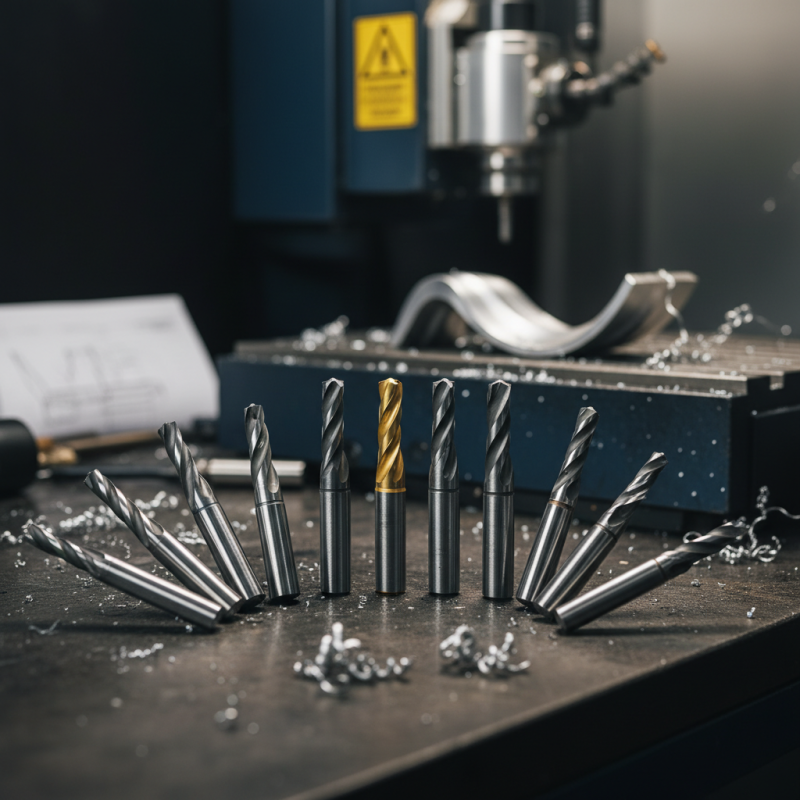
Overview of Ball End Mills and Their Importance in Manufacturing
Ball end mills are crucial tools in modern manufacturing. They play a significant role in creating complex shapes and contours. According to a recent industry report, they are often preferred for machining intricate designs in materials like aluminum and titanium. With their spherical end, these tools can create curved surfaces and detailed features. Notably, the precision of ball end mills improves the overall quality of the finished product.
In the aerospace and automotive sectors, ball end mills are invaluable. These industries account for approximately 20% of total global machining operations. However, achieving optimal performance often requires careful selection of the right tool. Some users report challenges with tool wear and tear, leading to inconsistencies in production. It's essential to regularly assess the type of material being machined and fine-tune feed rates accordingly.
Proper tool management is key to maximizing efficiency and ensuring quality outcomes.
Despite advancements in technology, issues like tool deflection can occur. This affects accuracy and can lead to costly mistakes. Manufacturers are encouraged to invest in training for operators to handle these issues better. Every detail matters in precision machining. Taking the time to optimize each aspect can transform the manufacturing process.
Common Materials Processed with Ball End Mills
Ball end mills are versatile tools used in various machining applications. They can work with a range of materials, making them essential in many industries. Some of the most common materials processed with ball end mills include metals, plastics, and composites.
In metalworking, aluminum is a popular choice. It machines well and produces clean finishes. Steel, particularly hardened steel, requires careful handling. It can wear tools quickly. For plastics, these mills can create intricate shapes but must be used at cooler cutting speeds. This ensures the material does not melt.
Composites present unique challenges. These materials often have layers that can cause delamination. It’s important to choose the right settings. Some operators may forget to adjust feeds and speeds correctly. This can lead to poor results and wasted materials. When dealing with varied materials, flexibility and precision in the operation are crucial. It’s a learning process.
Top Industries Utilizing Ball End Mills for Precision Machining
Ball end mills are essential tools in many industries. Their unique shape allows for precision machining in complex geometries. Aerospace, automotive, and medical sectors utilize these tools extensively. Reports indicate that the global end mill market is projected to reach $3.6 billion by 2027. These numbers reflect a growing demand for high-quality machining solutions.
In the aerospace industry, ball end mills shape intricate components like turbine blades and housings. Aerospace parts often require tight tolerances. Ball end mills provide the necessary accuracy for these applications. The automotive sector also relies on these tools. Engine components and fine details necessitate the versatility of ball end mills. Data shows that precision in automotive manufacturing can improve efficiency by up to 30%.
Tips: Always ensure correct tool selection. The right diameter and type maximize efficiency. Regular tool maintenance also plays a role in maintaining performance. Monitor wear rates closely. Even minor wear can affect precision significantly. Inconsistent results can lead to costly reshaping and delays. Focus on continuous improvement for better outcomes. Regularly assess machining processes to find avenues for improvement.
Top 10 Ball End Mill Applications You Should Know
| Application | Industry | Material | Precision Requirement | Typical Diameter Range (mm) |
| 3D Surface Milling | Aerospace | Aluminum Alloys | High Accuracy | 1 - 10 |
| Cavity Machining | Automotive | Steel | Medium Precision | 2 - 20 |
| Tool and Die Making | Manufacturing | Tool Steel | Very High Precision | 3 - 15 |
| Profile Cutting | Crafts | Plastic | Standard Precision | 1 - 8 |
| Machining Complex Shapes | Medical Device | Titanium | High Accuracy | 5 - 15 |
| Engraving | Jewelry | Gold | High Detail | 0.5 - 3 |
| Finishing | Electronics | Copper | Precision Required | 2 - 10 |
| Mold Making | Plastic Injection | Nylon | High Accuracy | 4 - 16 |
| V/Grooving | Furniture | Wood | Standard Precision | 1 - 10 |
| Precision Grooving | Aerospace | Composite Materials | Very High Precision | 1 - 12 |
Key Factors to Consider When Choosing a Ball End Mill
When selecting a ball end mill, there are several key factors to consider. The material of the mill is crucial. High-speed steel is affordable but may not last long. Carbide offers better durability, making it ideal for tough materials. There are different coatings available as well. These coatings can enhance performance and prolong tool life.
Another important aspect is the diameter of the mill. A smaller diameter provides greater precision for intricate designs. However, it may not be suitable for larger cuts. Also, consider the length of the cutting edge. A longer edge can help in deeper cuts, but might weaken the mill.
Understanding the geometry of the ball end mill is essential too. The radius of the ball affects the finish and the ability to reach corners. Some users overlook this and face issues afterward. Lastly, keep in mind the machine's capabilities. Not every machine can handle heavy loads, and this impacts your choice significantly. It's easy to forget these details, but they can make or break your project.
Innovative Applications of Ball End Mills in Modern Engineering
Ball end mills are revolutionizing modern engineering by enhancing precision in intricate machining tasks. These tools excel at creating complex geometries and smooth, rounded edges. Their ability to achieve fine detail makes them a staple in industries such as aerospace and automotive. However, using them effectively requires an understanding of their limitations. For instance, running at incorrect speeds can lead to tool wear or poor surface finishes.
One intriguing application is in 3D printing mold production. Ball end mills shape molds that produce unique designs with enhanced aesthetics. This application highlights their versatility in collaborating with digital fabrication technologies. Despite this, challenges arise when the milling path is not optimized, leading to inefficiencies. This area needs continuous exploration and refinement.
Moreover, educational facilities are increasingly using ball end mills in student projects. By doing so, students gain firsthand experience in precision machining. Yet, inconsistencies in the learning process can hinder skill development. Contemplating these challenges fosters innovation in teaching methods and better prepares future engineers for industry demands.
Top 10 Ball End Mill Applications