2026 Top Green Energy Renewable Solutions to Watch for the Future?
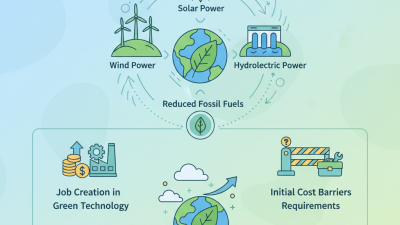
As global awareness of climate change grows, the push for green energy renewable solutions is more vital than ever. Experts predict that by 2026, we will witness significant innovations in this field. Dr. Emily Carter, a leading voice in sustainable energy, has stated, "Investing in green energy solutions today is crucial for a cleaner tomorrow." Her insight reflects a growing consensus among industry leaders.
Green energy renewable solutions encompass various technologies. Solar, wind, and bioenergy are at the forefront of this movement. Each solution has its unique challenges and opportunities. For instance, solar panels are becoming more efficient, yet their production still requires critical resources. Wind energy is promising but depends heavily on location and infrastructure.
The path ahead involves constant reflection and adaptation. As we look towards 2026, the commitment to improving these solutions must intensify. While notable advances have been made, barriers to adoption remain. Therefore, the industry must confront these issues head-on to ensure a sustainable future. The journey towards a greener planet is complex but essential.

2026 Innovations in Solar Energy: Efficiency and Cost-Effectiveness Trends
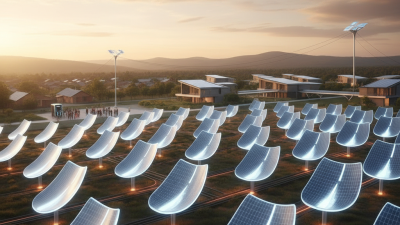
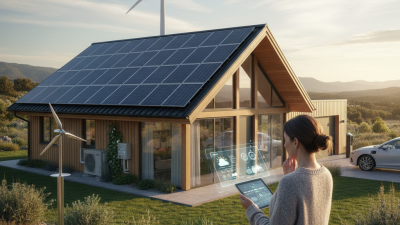
As we look toward 2026, solar energy continues to evolve with promising advancements. Innovations focus on efficiency and cost-effectiveness. New materials improve energy conversion rates. These advancements could lead to better performance in varied climates. Integrating solar panels into building materials is gaining traction. This trend not only saves space but also enhances aesthetics.
However, challenges remain. Some solar technologies still rely heavily on rare materials. Their extraction can harm the environment. The balance between efficiency and sustainability is delicate. Recycling old solar panels is another hurdle. Many systems don’t have clear end-of-life solutions. Addressing these issues is crucial for long-term viability.
Moreover, the financial aspect cannot be ignored. While prices have decreased, initial installation costs can still be high for consumers. Government incentives and funding opportunities are vital. They encourage investments while making solar energy more accessible. The journey toward a green future is underway, but it requires continuous reflection and adaptation.
Emerging Wind Energy Technologies: Harnessing Offshore and Onshore Potential
The potential of emerging wind energy technologies is enormous. Offshore wind farms are gaining traction. A report by the Global Wind Energy Council states that offshore capacity could reach 234 gigawatts by 2030. This expansion is critical for meeting global energy demands sustainably.
Onshore wind energy is also advancing. Turbines are becoming taller and more efficient. Heightened designs can capture stronger winds at higher altitudes. The U.S. installed over 17 gigawatts of onshore wind power in 2021 alone. This growth highlights the importance of investment in technology and infrastructure.
However, challenges remain. Environmental concerns and location limitations pose risks. Community acceptance is also vital for project success. Balancing ecological impacts while meeting energy goals is not easy. As we advance, careful consideration of local ecosystems is essential. The journey towards greener energy is complex, but progress is promising.
2026 Top Green Energy Renewable Solutions: Emerging Wind Energy Technologies
Advancements in Energy Storage: The Role of Batteries in Renewable Solutions
Advancements in battery technology are crucial for enhancing renewable energy solutions. Energy storage remains a significant challenge. According to recent industry reports, global battery demand may reach 250 GWh by 2026. This highlights the increasing reliance on storage systems as renewable sources expand.
Lithium-ion batteries dominate the market, with over 70% market share in energy storage. However, they face limitations, such as short life spans and safety concerns. Newer technologies, like solid-state batteries, show promise. They offer greater energy density and reduced fire risk, but their development is ongoing.
Moreover, the recycling of old batteries demands attention. Current recycling rates are low, with only about 5% of lithium-ion batteries being repurposed effectively. This creates an environmental burden. The industry needs to explore more sustainable practices. Addressing these issues ensures a more efficient transition to greener energy solutions.
Hydrogen Fuel: Prospects and Challenges in the Green Energy Transition
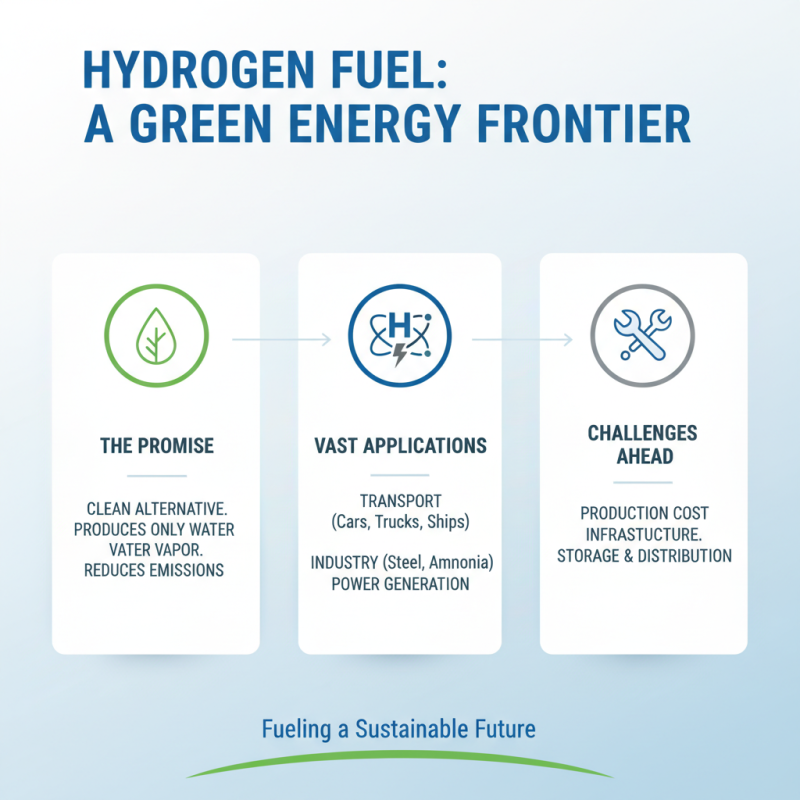
Hydrogen fuel has emerged as a promising solution in the green energy landscape. It offers a clean alternative to fossil fuels. When burned, it produces only water vapor. This makes it an attractive option for reducing greenhouse gas emissions. The potential applications are vast, ranging from transportation to industrial use. Yet, challenges loom.
Production of hydrogen is energy-intensive. Currently, most hydrogen is derived from natural gas. This process emits carbon dioxide. Thus, developing greener production methods is essential. Electrolysis, powered by renewable energy, is a potential solution. However, it still remains costly and inefficient at scale. The infrastructure for distribution is also lacking. Creating a robust supply chain is crucial for widespread adoption.
Public perception plays a significant role as well. Many people are unaware of hydrogen’s benefits. Education and outreach can help overcome skepticism. Additionally, safety concerns need to be addressed. Hydrogen is flammable and must be handled with care. These are critical points that require ongoing reflection and innovation. Balancing growth with safety will be key in the transition to hydrogen fuel.
Biomass and Bioenergy: Sustainable Practices for Future Energy Demand
Biomass and bioenergy offer promising solutions for future energy demands. Utilizing organic materials like plant matter, waste, and agricultural residues, these methods generate renewable energy. Biomass can be converted into electricity, heat, or fuels. This process reduces reliance on fossil fuels and can lower greenhouse gas emissions. However, the sustainability of biomass hinges on responsible sourcing and management.
There are challenges too. Not all biomass practices are environmentally friendly. Deforestation and loss of biodiversity can happen if not managed carefully. Furthermore, competing with food production for land can lead to food insecurity. It’s crucial to develop efficient ways to integrate biomass energy without creating additional problems.
Innovative technologies in bioenergy, like anaerobic digestion or biogas production, show great potential. Local communities can benefit from these initiatives. However, we must continuously assess their impacts on ecosystems and society. Balancing energy needs and environmental health requires ongoing reflection.