2026 Top Green Energy Storage Solutions for a Sustainable Future?
In recent years, the world has witnessed a significant shift towards sustainable energy solutions. Among these, green energy storage solutions play a crucial role in ensuring a reliable and eco-friendly energy future. As we look ahead to 2026, the need for innovative storage systems is more pressing than ever. These solutions enable the efficient use of renewable energy sources such as solar and wind.
As renewable energy production fluctuates, the challenge lies in storing excess energy for later use. Current storage technologies have limitations. Some are inefficient or costly, while others may lack sustainability. However, breakthroughs in battery technology and other forms of energy storage are emerging. Companies are exploring new materials and methods to enhance performance and reduce environmental impact.
The journey toward optimal green energy storage solutions is not without obstacles. We must reflect on existing technologies and push for advancements that prioritize both efficiency and sustainability. Embracing these solutions can pave the way for a greener future, but a mindful approach is essential. The time to invest in and innovate green energy storage is now.
Emergence of Green Energy Storage Technologies for Sustainable Development
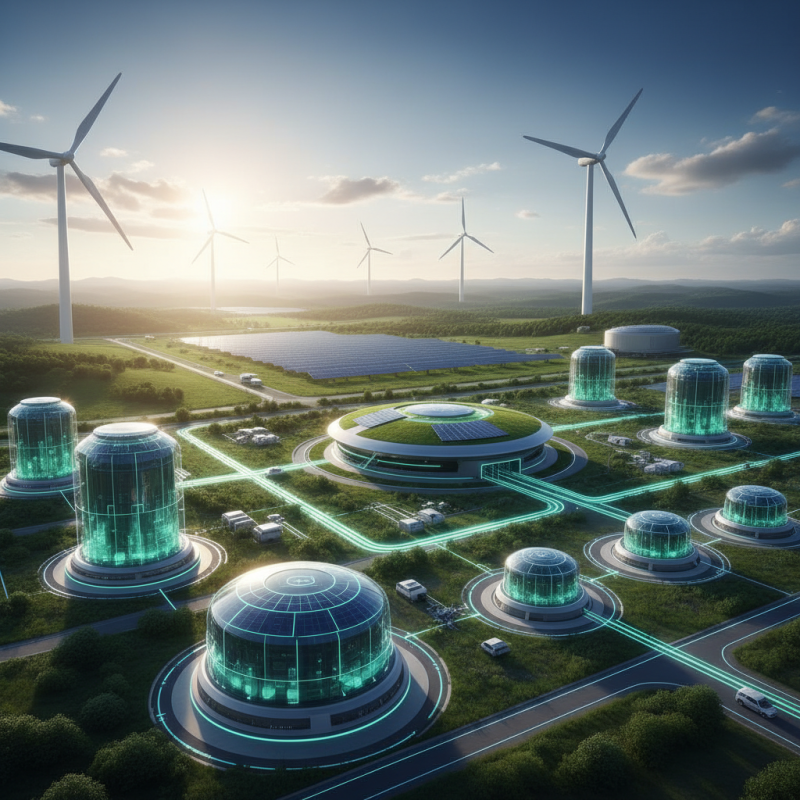
The emergence of green energy storage technologies plays a crucial role in sustainable development. As the world shifts toward renewable energy, effective storage solutions are essential. Renewable sources, like solar and wind, produce energy intermittently. We need systems that can store this energy for later use.
One promising option is battery technology. Advances in lithium-ion and solid-state batteries have made these systems more efficient. However, they often rely on materials that are not sustainably sourced. This raises questions about their long-term impact. A deeper investigation into recycling battery components is necessary.
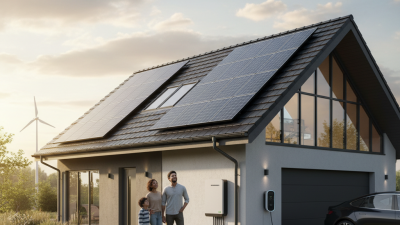
Tips: Consider supporting energy storage projects in your community. Engaging with local initiatives can promote sustainable practices. Another option is to explore home energy storage systems, which help reduce reliance on the grid.
Hydrogen fuel cells represent another innovative approach. They convert clean energy into hydrogen, allowing for long-term storage. Yet, the production process can still be energy-intensive. Finding ways to harness excess renewable energy for this purpose is important.
Overall, the path to a sustainable future invites reflection on our choices. Embracing emerging technologies offers great potential, but we must balance progress with responsibility. Exploring diverse storage options enables us to create a more sustainable and reliable energy landscape.
Overview of Leading Green Energy Storage Solutions in 2026
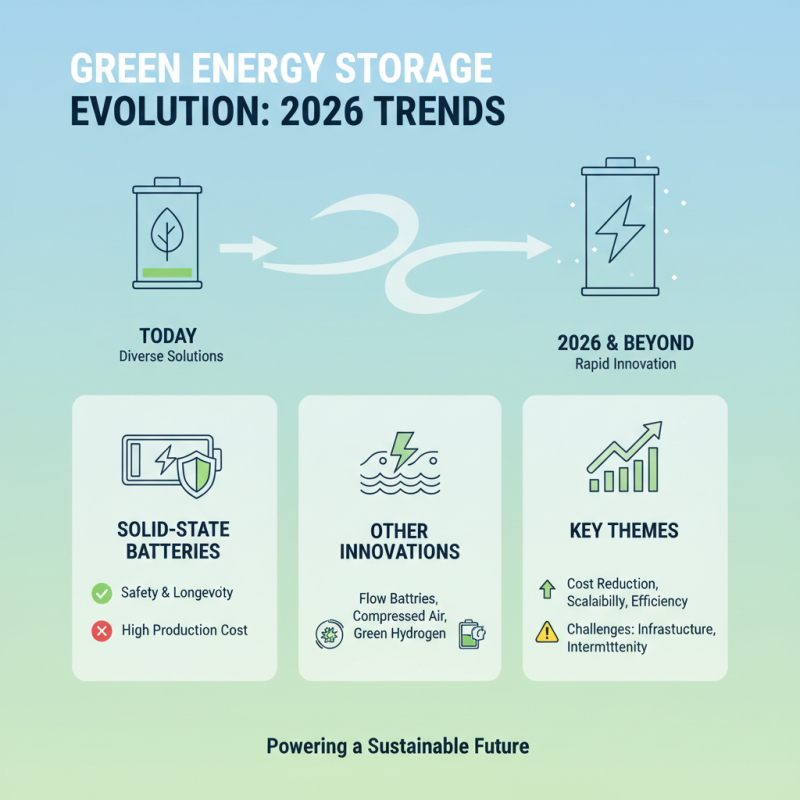
In 2026, the landscape of green energy storage is evolving rapidly. Many innovative solutions are making waves. Each technology presents unique benefits and challenges. For instance, solid-state batteries are gaining traction for their safety and longevity. However, their high production costs may limit widespread adoption.
Another promising option is pumped hydro storage. This method utilizes natural water resources to generate energy. It is reliable and efficient but often struggles with environmental concerns. Sites for these installations can disrupt local ecosystems, a trade-off that invites scrutiny.
**Tip:** When considering energy storage solutions, think about practical applications. Evaluate the environmental impact and cost-effectiveness based on local conditions.
Flywheel energy storage is also emerging as a flexible choice. It provides rapid bursts of power for short durations. Yet, it may not be suitable for long-term energy needs. Its construction can be expensive too, which limits accessibility for many communities.
**Tip:** Always assess the scalability of a technology. Solutions should be adaptable to different sizes and applications, ensuring that they meet diverse energy demands.
Comparative Analysis of Battery Technologies in Energy Storage Systems
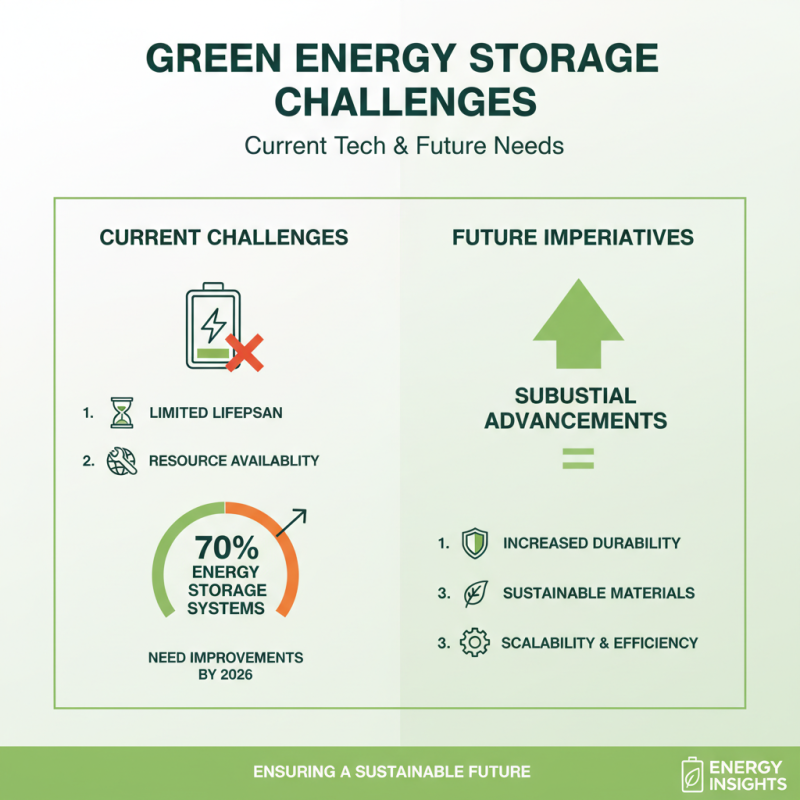
The global demand for energy storage systems is surging. Various battery technologies are emerging to meet this need. Lithium-ion batteries currently dominate the market, holding over 70% share in energy storage applications. However, they come with limitations such as limited lifespan and environmental concerns related to mining.
Solid-state batteries are gaining attention. They promise higher energy density and enhanced safety. Research shows they can achieve energy densities of up to 500 Wh/kg, compared to 200-300 Wh/kg for traditional lithium-ion batteries. However, the technology is still developing. Scaling up production remains a significant challenge.
Tips: Consider the end-of-life of batteries. Recycling and repurposing can minimize environmental impact. Monitor the developments in flow batteries. They offer long-duration storage capabilities but typically at a lower energy density.
Another promising technology is sodium-ion batteries. They utilize abundantly available materials. Initial studies suggest they can offer similar performance to lithium-ion at a lower cost. Yet, commercial viability is not yet established. The industry is still assessing their longevity and efficiency.
Investors should approach new technology cautiously. Each solution has pros and cons. Understanding these can aid in informed decisions for a sustainable future.
2026 Top Green Energy Storage Solutions for a Sustainable Future
| Technology Type |
Energy Density (Wh/kg) |
Cycle Life (Cycles) |
Charge Time (Hours) |
Cost (USD/kWh) |
Sustainability Rating |
| Lithium-ion |
150-250 |
500-1500 |
1-4 |
150-300 |
B |
| Flow Batteries |
20-40 |
2000-10000 |
8-10 |
300-600 |
A |
| Solid-State Batteries |
300-500 |
1000-3000 |
1-3 |
400-800 |
A+ |
| Sodium-ion Batteries |
100-200 |
300-1000 |
4-6 |
100-250 |
B+ |
| Supercapacitors |
5-10 |
50000-100000 |
0.1-0.5 |
200-400 |
A |
Future Trends in Energy Storage for a Sustainable Economy
The future of energy storage is bright yet complex.
As we seek a sustainable economy, innovative solutions are critical.
Energy storage systems must be efficient, scalable, and environmentally friendly.
Technologies like advanced batteries and thermal storage emerge as key players.
These systems can store excess energy and release it during peak demand.
Despite progress, challenges remain.
Materials used in batteries often have environmental impacts.
Recycling and sustainability of these materials need attention.
Relying solely on lithium-ion batteries may not be the answer.
Alternative materials show promise, but are still in development.
Public infrastructure for energy storage is also lagging.
Urban areas require upgrades to accommodate new systems.
Energy policies must adapt to encourage growth in this sector.
Community involvement is essential in shaping policies and practices.
There’s much to learn from existing projects, both successful and flawed.
The goal is a resilient energy future, but the path is still under construction.