Top 10 Green Power Solutions Tips for Sustainable Energy Transition
In today's pressing climate crisis, the transition to sustainable energy sources is more crucial than ever. The shift towards green power solutions not only promises to mitigate environmental impact but also ensures the longevity of our planet for future generations. Leading expert in renewable energy, Dr. Emily Carter, emphasizes this urgency by stating, "Adopting green power solutions is not merely a choice; it is a necessity for a sustainable future."
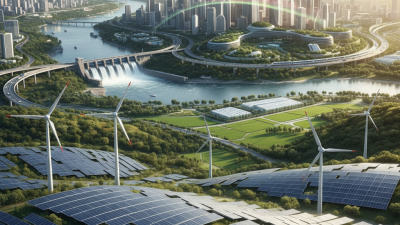
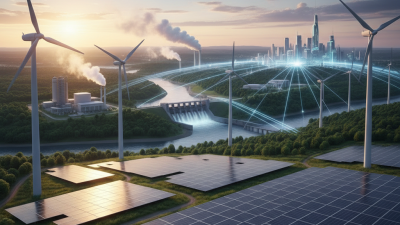
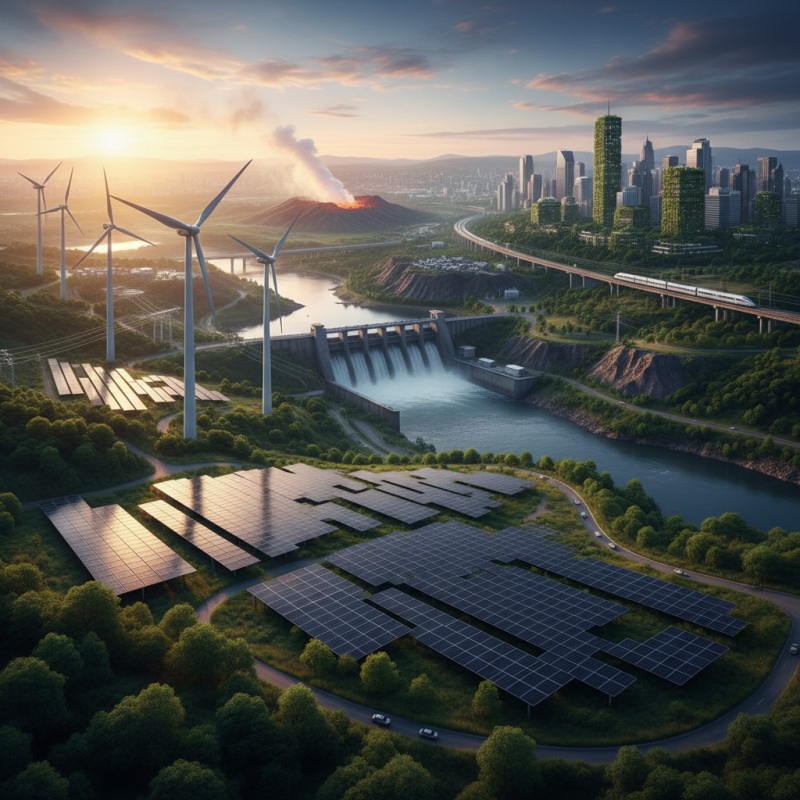
As nations around the world strive to meet ambitious environmental targets, understanding the array of available green power solutions becomes essential. From solar and wind energy to hydroelectric power and geothermal sources, each solution offers unique benefits in creating a resilient and sustainable energy infrastructure. The implementation of these technologies not only reduces greenhouse gas emissions but also fosters energy independence and economic growth through job creation in the green energy sector.
This article will delve into the top 10 green power solutions that are paving the way for a sustainable energy transition. By exploring innovative strategies and best practices, we aim to inspire individuals, businesses, and policymakers to embrace these solutions, contributing to a cleaner, greener future for all.
Understanding Green Power Solutions for Sustainable Energy
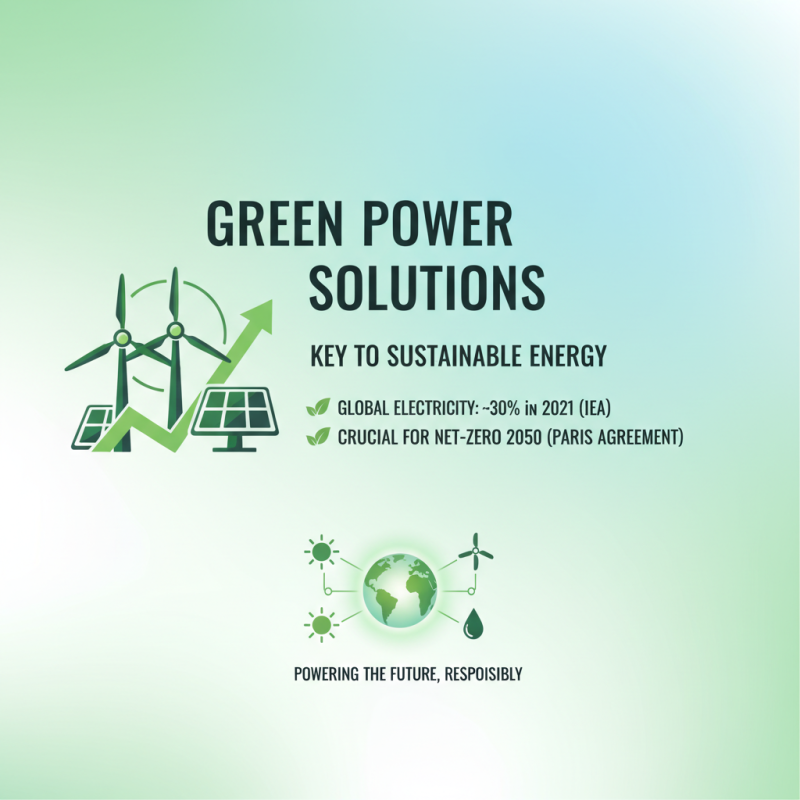
Understanding green power solutions is crucial in the transition towards sustainable energy. As the world grapples with the implications of climate change, it is vital to explore renewable energy sources that can significantly reduce greenhouse gas emissions. According to the International Energy Agency (IEA), renewable energy sources accounted for nearly 30% of global electricity generation in 2021, a figure expected to rise as nations prioritize sustainability. This trend underscores the importance of green power solutions in achieving net-zero targets by 2050, as outlined in the Paris Agreement.
Solar and wind energy are at the forefront of this energy transition. The U.S. Energy Information Administration (EIA) reports that the capacity for solar power in the U.S. alone surpassed 100 GW in 2020, indicating a substantial increase in adoption. Similarly, wind energy capacity reached over 130 GW, showcasing the potential for growth in both sectors. By leveraging advancements in technology and grid integration, these green power solutions not only provide sustainable energy but also contribute to job creation and economic growth, making them pivotal in the pursuit of a greener planet. Integrating more renewable energy into our infrastructure will not only support a cleaner environment but also enhance energy security and resilience.
Identifying Renewable Energy Sources for Effective Transition
The transition to sustainable energy solutions is essential for mitigating climate change and fostering environmental resilience. A critical step in this transition is the identification and utilization of renewable energy sources. According to the International Renewable Energy Agency (IRENA), renewable energy accounted for approximately 26.2% of global electricity generation in 2018, and this percentage is expected to surge as governments and private sectors invest more in clean technologies. The most promising renewable energy sources include solar, wind, hydroelectric, and biomass, each offering unique advantages in harnessing natural resources with minimal environmental impact.
Solar energy, for instance, has witnessed a stunning 20% compound annual growth rate over the past decade, driven by advancements in photovoltaic technology and decreasing costs. Reports indicate that by 2030, solar power could provide up to 30% of global electricity needs, significantly reducing carbon emissions. Similarly, wind energy has also seen substantial growth; in 2020, it contributed around 7.5% to the global energy mix, with many countries, like Denmark, generating over 40% of their electricity from wind. Enhanced energy storage solutions and smarter grid systems will be pivotal in integrating these renewable sources effectively, ensuring stability and reliability in energy supply during transition phases. By prioritizing these renewable energy sources, society can create a sustainable future while combating the pressing challenges of climate change.
Implementing Energy Efficiency Practices in Daily Life
Implementing energy efficiency practices in daily life is essential for contributing to a sustainable energy transition. Simple changes in our daily routines can significantly reduce energy consumption and lower carbon footprints. For instance, adopting energy-efficient appliances, such as LED bulbs and smart thermostats, can lead to substantial savings in both energy use and utility bills. Additionally, unplugging devices that are not in use helps to eliminate phantom energy consumption, ensuring that power is utilized only when necessary.
Incorporating energy conservation habits into our lifestyles can also lead to positive environmental impacts. Utilizing public transportation, cycling, or walking instead of relying on personal vehicles reduces fossil fuel dependency and greenhouse gas emissions. Moreover, by being mindful of heating and cooling settings at home—such as setting the thermostat a few degrees lower in winter and higher in summer—individuals can further enhance their energy efficiency.
Collectively, these practices not only support the transition to green power solutions but also create a culture of sustainability that motivates others to make similar changes.
Utilizing Solar Energy Systems for Home and Business
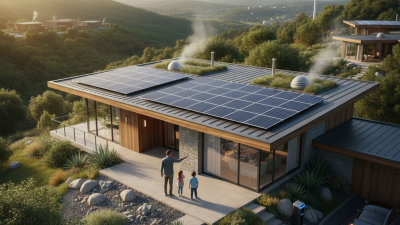
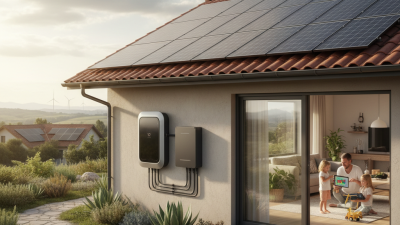
Solar energy systems have emerged as one of the most effective ways to harness renewable energy for both residential and commercial use. By converting sunlight into electricity, these systems significantly reduce dependency on fossil fuels and lower greenhouse gas emissions. For homeowners, investing in solar panels not only provides long-term financial savings by slashing electricity bills, but it also enhances property value and contributes to a greener environment. With various configurations available, from rooftop installations to ground-mounted systems, there is a solution suitable for almost any home.
For businesses, the integration of solar energy systems can lead to substantial operational cost reductions and improved sustainability credentials. Organizations can benefit from generating their own power, protecting themselves against rising energy prices, and demonstrating a commitment to environmental stewardship. By utilizing solar technology, companies can also enhance their brand image, appealing to increasingly eco-conscious consumers. Additionally, many regions offer incentives and tax benefits to encourage solar adoption, making it an economically viable option for enterprises seeking to transition to sustainable energy sources. Embracing solar energy is not just a trend; it's a pragmatic step toward a more sustainable and resilient energy future.
Advocating for Policy Changes to Support Green Technologies
Advocating for policy changes is a crucial step in facilitating the transition to sustainable energy solutions. According to the International Energy Agency (IEA), to achieve a net-zero energy sector by 2050, global investments in renewable energy must increase significantly, reaching approximately $4 trillion per year. Policymakers play a pivotal role in shaping the regulatory environment, which can incentivize investments in green technologies. This involves implementing measures like tax credits, subsidies for clean energy projects, and stricter emissions regulations, creating a landscape where renewable energy solutions can thrive.
In the United States, a report from the Renewable Energy Policy Network indicates that shifting towards green technologies could result in approximately 1.3 million new jobs by 2030. However, these benefits will only materialize through robust policy frameworks that support innovation and infrastructure development in the green energy sector. Encouraging legislative bodies to set ambitious renewable energy targets and to invest in research and development can drive technological advancements and increase the adoption of sustainable solutions. The momentum for such policy changes is key to unlocking the full potential of green power, ensuring that we move decisively towards a cleaner, more sustainable energy future.