Top 10 Renewable Energy Solutions You Need to Know?
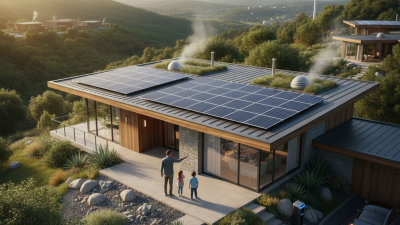
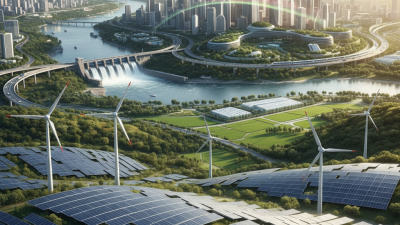
In the quest for a sustainable future, renewable energy solutions are gaining significant attention. These options offer innovative ways to harness nature's power, reducing our reliance on fossil fuels. Consider solar panels, which can transform rooftop spaces into energy generators. Wind turbines, towering against the skyline, capture wind's kinetic energy to produce electricity.
However, the transition to renewable energy solutions is not without challenges. For example, storage technology needs improvement to handle intermittent power sources. Many people may feel overwhelmed by the information available, making it hard to choose the right solution for their needs. Yet, understanding these top ten renewable energy solutions can empower individuals and communities to make informed choices. Let’s explore the possibilities, benefits, and limitations of various options.
Overview of Renewable Energy Solutions
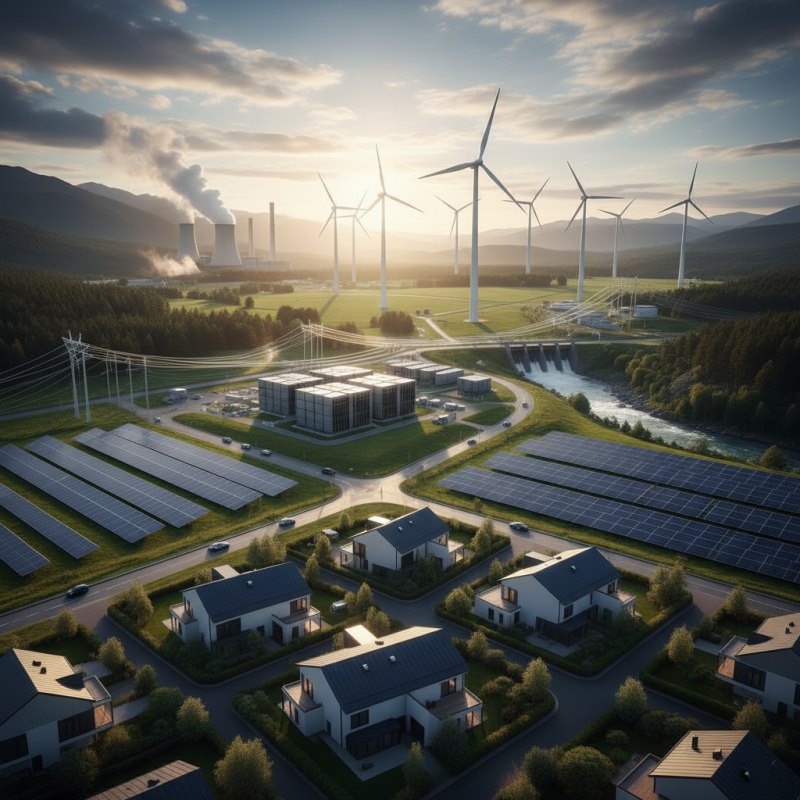
Renewable energy solutions have gained significant attention in recent years. They provide alternatives to traditional energy sources and offer numerous benefits. Solar power harnesses sunlight through panels on rooftops or in fields. Wind energy captures the natural power of moving air using turbines. Hydropower utilizes flowing water to generate electricity, making it a reliable option for energy systems near rivers.
Geothermal energy taps into the earth's heat, providing a consistent energy source. Biomass energy converts organic materials into fuel, although it requires careful management. Each solution has its challenges. Solar panels can be expensive, and wind turbines may disrupt local wildlife. Hydropower can alter aquatic ecosystems, raising environmental concerns. This makes it essential to evaluate projects thoroughly. Innovation in energy storage is needed to address these limitations, ensuring energy is available when demand rises.
Renewable energy solutions are not perfect. They require ongoing investment and community input. It's crucial to engage local populations in the planning stages. This ensures energy solutions align with community needs. As we explore these alternatives, we must remain open to feedback and adapt our strategies for a sustainable future.
Top 10 Renewable Energy Solutions
Solar Power: Harnessing the Sun's Energy
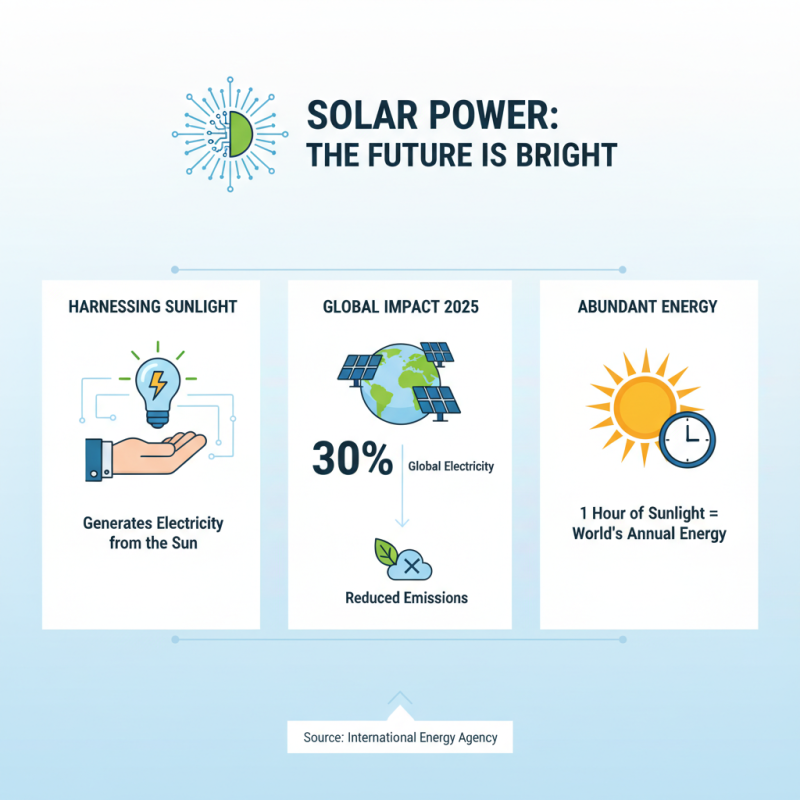
Solar power is one of the most promising renewable energy solutions today. It harnesses sunlight to generate electricity. According to the International Energy Agency, solar energy could account for nearly 30% of global electricity by 2025. This shift can significantly reduce greenhouse gas emissions. The sun provides more energy to the earth in one hour than the entire world consumes in a year.
For homeowners, installing solar panels can lead to substantial savings. In many areas, the cost of solar has dropped over 80% since 2010. However, it’s essential to assess your home’s solar potential first. A suitable roof angle and unobstructed sunlight are crucial. If your roof isn’t ideal, consider community solar programs.
Tips: Evaluate your energy needs before deciding on a system size. Monitor local incentives; they can lower your initial investments. Also, remember that technology is rapidly evolving. New solutions are constantly emerging, and staying updated can be beneficial. Solar energy is not without its challenges, like storage and initial costs. However, advancements in battery technology are making storage more accessible. The journey towards solar energy may have bumps, but the rewards are substantial.
Wind Energy: Capturing Wind for Electricity
Wind energy continues to be a key player in renewable energy solutions. In 2021, it contributed roughly 9% to global electricity production, according to the International Energy Agency. That percentage is steadily rising. Wind power generation is not only cleaner, but also cost-effective. In many regions, it’s cheaper than fossil fuels.
However, the integration of wind energy into existing grids can be challenging. Wind patterns are unpredictable, leading to inconsistency in energy supply. Many areas face storage issues for excess energy generated on windy days. According to a report by the Global Wind Energy Council, investment in energy storage technology is crucial. Employing advanced battery solutions can help mitigate these challenges.
Another concern is the environmental impact of turbine installation. Critics highlight the effects on local wildlife and ecosystems. Turbines can disrupt bird migration and affect habitats. Addressing these concerns requires ongoing dialogue among developers, environmentalists, and communities. Balancing energy needs with ecological preservation is a complex but necessary endeavor.
Hydropower: Utilizing Water Flow for Energy
Hydropower is one of the oldest forms of renewable energy. It harnesses the kinetic energy of flowing water. Rivers and dams are key components in this process. According to the International Hydropower Association, hydropower accounts for about 16% of global electricity generation. This percentage highlights its importance in the renewable energy landscape.
However, hydropower is not without challenges. Environmental impacts are significant. Dams can disrupt local ecosystems. Fish populations decline due to barriers. According to a report by the World Bank, these factors require careful consideration. Proper planning and management are crucial for sustainable hydropower development. Balancing energy needs and ecological health remains a difficult task.
Maintenance and operational costs can also be high. Aging infrastructure poses risks for efficiency. The need for upgrades is pressing in many regions. Studies suggest that about 30% of existing plants are underperforming due to outdated technology. If we want to maximize hydropower's potential, addressing these issues is essential. Hydropower holds promise, but it must evolve to remain viable.
Emerging Technologies in Renewable Energy
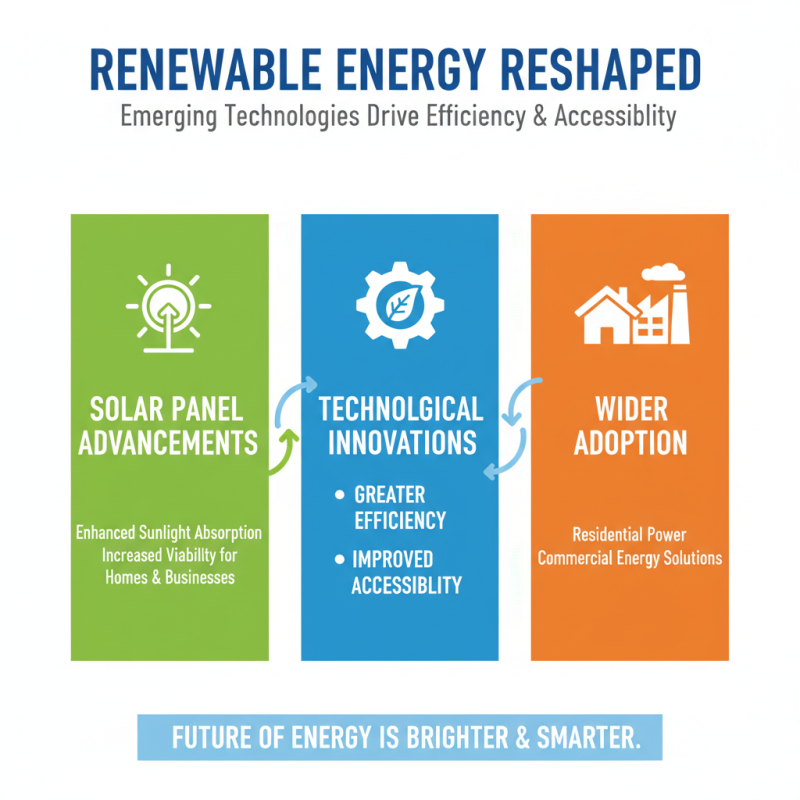
Emerging technologies are reshaping the renewable energy landscape. Innovations enhance efficiency and accessibility. Solar panels have advanced significantly, with newer models absorbing more sunlight. These developments make solar energy more viable for homes and businesses.
Wind energy technology is also evolving. Turbines are becoming more efficient and are being placed offshore. This strategy takes advantage of stronger winds and minimizes land use. However, some areas struggle with public acceptance. It’s essential to engage communities early in the planning stages.
Tips: Always consider local conditions when assessing renewable energy options. Not every technology suits every location. Researching and investing in the right solutions can save time and resources.
Energy storage is another key component. Batteries are improving but can be costly. It’s crucial to analyze the return on investment carefully. Take time to investigate various storage solutions. Balancing technology and practicality may lead to better results.
Related Posts
-
2025 How to Choose the Best Green Energy Solutions for Your Home
-
How to Choose the Best Clean Green Energy Solutions for Your Home?
-
What is Sustainable Energy Solutions and How Can They Benefit Us?
-
Top 10 Renewable Power Solutions for a Sustainable Future
-
What is Sustainable Energy Solutions and How Can They Benefit Our Future
-
Why Clean Green Energy Solutions Are Essential for a Sustainable Future
CORPORATE HEADQUARTERS
North America
California
AGIC Energy North America LLC
13025 Danielson Street, Suite 105
Poway, CA 92064 – USA
Phone Number: +1 (858) 842 1513
Email: info@site_cc52bd27-560c-4f9d-bd66-63718fc42539
Sales: sales@site_cc52bd27-560c-4f9d-bd66-63718fc42539