Top 10 Power Solar Solutions Tips for Homeowners
The increasing demand for renewable energy has brought "power solar solutions" to the forefront of home energy strategies. According to a recent report by the International Renewable Energy Agency (IRENA), solar energy accounted for nearly 60% of all new renewable capacity added globally in 2022. This momentum highlights the importance of solar power in reducing carbon footprints. Industry expert Dr. Emily Harper states, "Innovative solar solutions can transform how homeowners think about energy use and sustainability."
Adopting power solar solutions is not just an eco-friendly choice; it also offers long-term financial benefits. Homeowners can reduce utility bills significantly. The U.S. Department of Energy reports that solar installations can save owners up to $30,000 over their systems' lifespans. However, navigating the complexities of solar technology, financing options, and installation can be daunting. Many homeowners encounter obstacles that lead to missed opportunities or inefficient systems.
Understanding the landscape of power solar solutions is crucial for informed decision-making. As consumers, there is always a sense of uncertainty about the best products or installers. This journey requires careful consideration and a willingness to learn from prior mistakes. The future of energy lies in proactive engagement with solar technology, and homeowners need reliable guidance to seize these opportunities effectively.

Top 10 Power Solar Solutions Tips for Homeowners
Adopting solar energy can be a game changer for homeowners. According to recent reports, solar energy adoption has surged by over 30% in the last year alone. Homeowners can significantly cut down on energy bills while contributing to a greener planet. However, there are important tips to keep in mind.
One effective tip is to assess your roof's solar potential. Not every roof is suitable for solar panels. Check for shading from trees or nearby structures. Also, consider the roof's angle and orientation. Ideally, roofs facing south maximize sunlight exposure. Conduct an energy audit to know how much electricity you require. This data is crucial for determining the right solar system size.
Investing in high-quality panels may cost more initially, but it can lead to long-term savings. Lower quality panels may underperform, wasting your investment. Research indicates that homeowners see a return on investment within five to seven years. Another tip includes exploring financing options. Many federal and state incentives are available to support solar installations. Staying informed about these can help ease upfront costs and enhance your savings.
Understanding the Basics of Solar Energy: How It Works and Benefits
Solar energy is becoming increasingly popular among homeowners. Understanding how it works is crucial. Solar panels convert sunlight into electricity through photovoltaic cells. This process creates clean energy and reduces reliance on fossil fuels. The benefits of solar energy are significant. Homeowners can lower their utility bills and increase property value. However, installation costs can be daunting.
Here are some tips for homeowners considering solar solutions. First, evaluate your roof’s potential for solar panels. Consider factors like sunlight exposure and roof angle. Research different types of panels and their efficiencies. Not all panels are created equal. Also, check for local incentives that make installation more affordable. Look for tax credits or rebates.
Investing in solar may come with challenges. Finding a trustworthy installer is key. Some companies may have hidden fees or misleading claims. Don’t rush this decision. Take time to do thorough research. Compare quotes and examine warranties. Understanding these factors will guide you to a smart investment in solar energy.
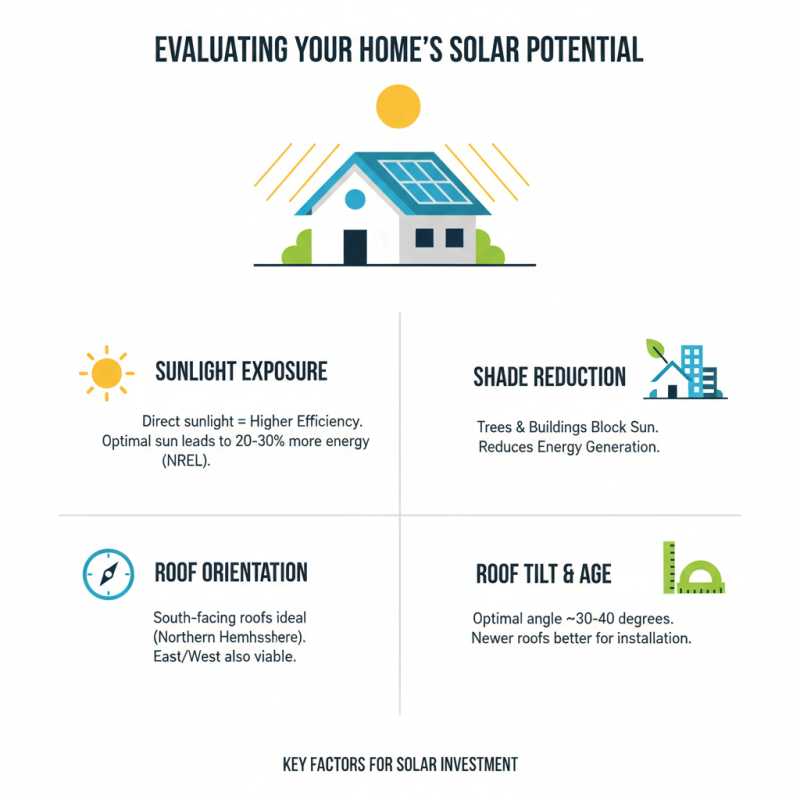
Evaluating Your Home’s Solar Potential: Key Factors to Consider
Evaluating your home’s solar potential is crucial before making an investment. The amount of sunlight your roof receives directly influences efficiency. According to the National Renewable Energy Laboratory, homes with optimal sunlight exposure can produce 20 to 30% more energy. This statistic highlights the importance of assessing your location. Factors like shade from trees or buildings can drastically reduce energy generation.
Consider your roof’s orientation and pitch. South-facing roofs generally receive more sunlight. However, roofs that are too steep can complicate installation. High-quality solar panels can perform better, but not all systems are created equal. An EnergySage report notes that proper installation can improve energy efficiency by up to 40%. Homeowners must also think about weather patterns in their area. Regions with frequent overcast days might see lower solar output.
Potential homeowners should not overlook local regulations and incentives. Zoning laws may restrict solar panel installations. Additionally, tax credits can significantly offset upfront costs, enhancing affordability. Yet, frustratingly, some may find their return on investment underwhelming if not carefully calculated. Gathering data through local resources can aid in making an informed decision. Understanding these elements can illuminate the path toward a smart solar choice.
Choosing the Right Solar Panel System: Efficiency Ratings and Cost Analysis
Choosing the right solar panel system is crucial for maximizing efficiency and cost savings. Efficiency ratings provide insight into how much sunlight a panel converts to energy. Most panels have efficiency ratings between 15% and 22%. Higher efficiency means more energy from less space. This is vital for homeowners with limited roof space.
Cost analysis is equally important when selecting a solar system. The average price per watt for solar panels has dropped significantly, now averaging around $2.70 per watt. Despite this decline, installation can still be expensive. Research shows a typical residential installation costs $15,000 to $25,000 before any incentives. Homeowners should factor in local incentives for a clearer financial picture.
Tip: Understand your energy needs before purchasing. Analyze your past utility bills. This helps in selecting the right system size. Another tip: compare multiple quotes from installers. Prices and services can vary dramatically. This process often reveals surprising savings. Keep in mind, it’s okay to feel overwhelmed. The solar market can be complex. Take your time to research thoroughly.
Top 10 Power Solar Solutions Tips for Homeowners
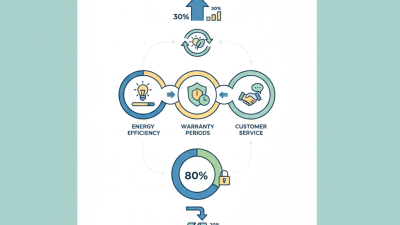
This chart illustrates the efficiency ratings and cost analysis of various solar panel systems, providing homeowners with valuable insights to make informed decisions regarding solar energy investments.
Financing Your Solar Installation: Incentives, Loans, and Tax Benefits
Homeowners looking to invest in solar energy often face one major hurdle: financing. Various incentives are available to sweeten the deal. For instance, the federal solar tax credit allows you to deduct 26% of your solar installation costs from your taxes. This could mean savings of thousands, making solar energy more accessible for many families.
In addition to tax credits, there are multiple loan options designed for solar systems. Some loans offer low-interest rates, while others may even cover 100% of installation costs. A report from the Solar Energy Industries Association states that residential solar installations grew by 20% last year, partly due to innovative financing solutions. However, navigating through these options can be overwhelming. Homeowners often feel lost, unsure of the best path to take.
Furthermore, while incentives make solar appealing, the upfront costs can still be daunting. It’s vital to research and compare offers. Not all financing solutions fit every homeowner's financial situation. Reviewing your options entirely will empower you to make a more informed choice. Be aware that local incentives vary widely too. Some states offer additional rebates, while others provide special property tax exemptions.
Top 10 Power Solar Solutions Tips for Homeowners - Financing Your Solar Installation: Incentives, Loans, and Tax Benefits
| Incentive/Loan Type | Description | Potential Benefit | Eligibility Criteria |
|---|---|---|---|
| Federal Tax Credit | A federal tax credit that lets you deduct a percentage of the cost of installing a solar energy system. | Up to 26% of installation costs | Homeowners with an installed solar system. |
| State Solar Incentives | Various incentives offered by states that can include rebates, performance payments, or tax exemptions. | Varies by state; often significant savings. | Varies based on state laws. |
| Solar Loans | Loans specifically designed for the purchase and installation of solar systems. | Low-interest rates and flexible repayment options. | Homeowners with credit checks for approval. |
| Property Assessed Clean Energy (PACE) | Financing option that allows homeowners to pay for solar through property taxes. | No upfront costs; payments are made over time. | Property must be located in a PACE district. |
| Net Metering | Policy that allows homeowners to offset the cost of their energy bills with the energy produced by their solar system. | Reduction of electricity costs. | Must have a grid-connected solar system. |
| Solar Rebates | Cash rebates provided by states, utilities, or local governments for solar installations. | Immediate cash savings on installation costs. | Varies by location and program. |
| Tax Exemptions | Exemption from certain taxes on solar installations, such as sales tax or property tax. | Reduces overall cost of the system. | Varies by state. |
| Green Energy Loans | Loans designed to finance energy-efficient and renewable energy projects. | Potentially lower interest rates compared to traditional loans. | Homeowners with good credit history. |
| Home Equity Loans | Loans that allow homeowners to borrow against the equity in their home. | Large sums available for large solar projects. | Home equity must be available. |
| Community Solar Programs | Programs that allow homeowners to invest in solar projects in their community. | Shared savings on electricity costs. | Availability depends on local programs. |
Conclusion
The article "Top 10 Power Solar Solutions Tips for Homeowners" provides essential guidance for homeowners considering solar energy. It begins by explaining the fundamentals of solar energy, including how it operates and the various advantages it offers, such as reduced energy costs and environmental benefits. The next sections focus on evaluating a home's solar potential by assessing critical factors like location and roof orientation.
Furthermore, it emphasizes the importance of choosing the right solar panel system, taking into account efficiency ratings and cost implications. Homeowners are also presented with various financing options to ease the installation process, including available incentives, loans, and tax benefits. Finally, the article highlights best practices for maintaining a solar system to ensure its longevity and optimal performance, ultimately empowering homeowners to make informed decisions about their power solar solutions.
Related Posts
-
How to Choose the Best Solar Panels Solutions for Your Home?
-
How to Choose the Best Power Solar Solutions for Your Home in 2025
-

Why Power Solar Solutions Are Essential for Sustainable Energy Transition?
-
What are the Most Reliable Solar Solutions for Homeowners?
-
2025 How to Choose the Best Green Energy Solutions for Your Home
-

2026 How to Choose Effective Green Renewable Energy Solutions?
CORPORATE HEADQUARTERS
North America
California
AGIC Energy North America LLC
13025 Danielson Street, Suite 105
Poway, CA 92064 – USA
Phone Number: +1 (858) 842 1513
Email: info@site_cc52bd27-560c-4f9d-bd66-63718fc42539
Sales: sales@site_cc52bd27-560c-4f9d-bd66-63718fc42539
