What Are Renewable Energy Storage Solutions?
Solar and wind power can generate abundant electricity, but their output changes with weather and time of day. A sunny afternoon may produce more power than nearby homes need, while a still evening brings less. Renewable energy storage solutions help shift electricity across these mismatches, making clean power more useful when generation and demand do not align.
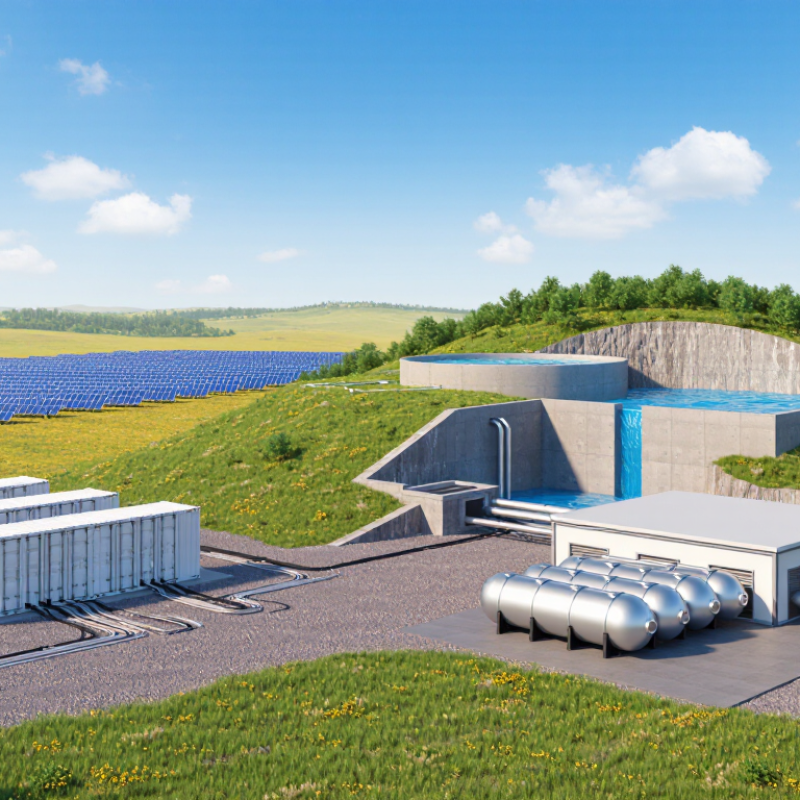
This guide explains how batteries, pumped hydro, thermal storage, and other approaches work. Some store electricity directly; others convert energy into heat or another form for later use. Lithium-ion batteries are common for shorter storage periods, while pumped hydro can serve longer-duration needs where geography allows. No single option fits every place. Not even close. Comparing systems means looking beyond headline capacity: discharge duration, efficiency, cost, location, and expected service life all matter. A battery cabinet beside a solar farm, for example, faces different space and connection limits than water reservoirs linked by a hillside. Safety practices and material sourcing also deserve attention. These details can change a project’s real-world value, and broad cost estimates may not reflect local conditions. Storage is not a substitute for stronger grids, careful planning, or reducing wasted electricity. This overview offers a practical starting point, not a final design recommendation. The right choice depends on what needs storing, for how long, and where the system will operate.
What Renewable Energy Storage Solutions Are
Renewable energy storage solutions capture electricity when wind or sunlight is plentiful and release it when generation falls. Batteries, especially lithium-ion systems, respond quickly and can support homes, businesses, and grid services. Pumped-storage hydropower moves water uphill when electricity is abundant, then sends it through turbines during higher demand. Thermal storage holds heat in materials such as hot water or molten salt. Each option solves a different problem.
Storage is not a single technology or a perfect substitute for transmission. Batteries often cover short periods, while pumped hydro can provide longer-duration supply where geography allows. The International Energy Agency’s Batteries and Secure Energy Transitions report (2024) says global battery storage capacity needs to grow sixfold, to 1,500 GW by 2030, in its net-zero pathway. That figure signals rapid expansion, not a guarantee that every project will be affordable or properly located. The simple “store it for later” explanation is useful, but incomplete.
Tips: Match storage duration to the need. A battery beside a solar farm may help shift midday power into evening hours; it will not necessarily cover several cloudy days. Check round-trip efficiency, expected lifespan, safety provisions, and local grid conditions before comparing options. Small details matter.
What Are Renewable Energy Storage Solutions?
Typical round-trip efficiency ranges for selected grid-scale energy storage technologies
How to read this chart: Round-trip efficiency is the share of energy recovered after storage and discharge. Higher efficiency means less energy is lost in the cycle.
Ranges are indicative and vary with system design, operating conditions, and project scale. Hydrogen refers to electricity-to-hydrogen-to-electricity storage. Reference: U.S. Department of Energy, Energy Storage Technology and Cost Characterization Report; National Renewable Energy Laboratory energy storage resources.
Why Renewable Energy Needs Storage
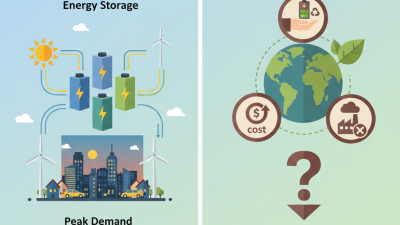
Solar panels can flood a grid at noon, while homes need power after sunset.
Wind output can fall for hours, even when demand stays high. Timing matters. Storage shifts electricity across time, helping grid operators balance supply, reduce wasted renewable power, and cover short peaks. But it is not a magic reserve. Long cloudy spells can outlast a typical battery, so grids still need transmission, flexible demand, and other dependable sources of electricity.
The International Energy Agency’s 2024 Batteries and Secure Energy Transitions report describes a net-zero pathway requiring global energy storage capacity to rise sixfold by 2030, reaching
1,500 gigawatts.
Batteries account for
1,200 gigawatts
of that total. These are pathway figures, not a guaranteed forecast. At a solar farm, battery containers can absorb midday surplus. They can release it during the evening ramp. Yet storage duration, cost, mineral supply, and local grid limits all shape what gets built.
I may be oversimplifying: a storage project only helps when its charging and release hours match local grid needs.
Main Types of Renewable Energy Storage
Renewable energy storage comes in several forms, each suited to different time scales and locations. Battery systems can respond within seconds, helping smooth short dips in solar or wind output. Lithium-based batteries are common, while flow batteries can separate stored energy from output capacity, which may suit longer-duration use. Batteries need careful temperature control and eventual replacement. Batteries are useful, but not limitless.
Pumped hydro stores electricity by moving water uphill, then releasing it through turbines when demand rises. It can provide power for many hours, but requires suitable terrain, water access, and major construction.
Thermal storage holds heat in materials such as molten salt or insulated hot-water tanks. A solar facility might store heat during bright afternoon hours and use it to generate electricity later.
Hydrogen offers another route: surplus electricity can produce hydrogen, which is stored and later used for power or heat. Conversion losses can be substantial, so it is not automatically the best choice.
Flywheels store energy as motion and can respond quickly, though usually for brief periods.
The categories overlap, and real projects sometimes combine them; choosing between them is less tidy than a chart suggests.
How Storage Systems Store and Deliver Energy
Renewable energy storage systems capture electricity when sunlight or wind exceeds immediate demand. A battery stores energy through chemical reactions, then releases electricity when a home or grid needs it. An inverter converts the battery’s direct current into alternating current for household circuits. The process is not perfectly efficient; some energy becomes heat. Small losses matter over time.
Other systems store energy differently. Pumped hydro uses surplus electricity to move water uphill. Later, falling water turns turbines and generates power. Thermal storage keeps heat in materials such as water or molten salt, then supplies warmth or helps produce electricity. Each system has different response times, capacities, and site requirements. A battery may react quickly, while a large water reservoir can serve longer periods. The right fit depends on local conditions, and that part is easy to underestimate.
Tips: Check both storage capacity and output power; they describe different things. Ask how much energy remains after conversion losses. Keep the system’s temperature and ventilation within its specified range. A practical detail: backup power still depends on correct installation and regular checks. I would not assume every storage system suits every building.
What Are Renewable Energy Storage Solutions? - How Storage Systems Store and Deliver Energy
| Storage solution |
How it stores energy |
Typical discharge duration |
Typical round-trip efficiency |
How it delivers energy |
Common use |
| Lithium-ion batteries |
Stores energy electrochemically by moving ions between electrodes. |
Usually about 1–8 hours |
About 85–95% |
The battery’s direct-current output is converted to grid-compatible alternating current by an inverter. |
Fast-response grid services and shifting solar or wind output to later in the day. |
| Pumped-storage hydropower |
Uses surplus electricity to pump water to a higher reservoir, storing gravitational potential energy. |
Several hours to more than a day, depending on reservoir capacity |
About 70–85% |
Water flows downhill through turbines that drive generators. |
Large-scale energy shifting and balancing electricity supply and demand. |
| Flow batteries |
Stores energy in liquid electrolytes held in external tanks; the liquids circulate through an electrochemical cell. |
Often about 4–12 hours; system design can allow longer durations |
About 65–85% |
Electrochemical reactions produce electricity, which is conditioned for the grid. |
Stationary storage where longer discharge and independent scaling of energy capacity are useful. |
| Compressed-air energy storage |
Uses electricity to compress air, typically storing it in underground caverns or other pressure vessels. |
Several hours to days, depending on system design |
About 40–70% for many conventional designs |
Stored air is released and used to drive a turbine or other power-generation equipment. |
Large-scale, longer-duration storage where suitable geological formations are available. |
| Hydrogen storage |
Uses electricity to produce hydrogen, which can be stored in tanks, underground caverns, or other suitable facilities. |
Hours to seasonal periods, depending on storage capacity |
About 25–45% when converted back to electricity |
Hydrogen is converted to electricity using a fuel cell or turbine; conversion equipment is required. |
Long-duration or seasonal energy storage and uses that can consume hydrogen directly. |
| Flywheels |
Stores energy as the rotational motion of a rapidly spinning rotor. |
Seconds to minutes |
About 85–95% |
The spinning rotor drives a motor-generator to return electricity to the system. |
Very fast frequency response and short-duration power support. |
Figures are indicative ranges reported for representative systems; actual performance varies with technology, system design, operating conditions, and how efficiency is measured. Discharge duration depends on the system’s energy capacity and output.
Applications and Key Considerations for Energy Storage
Renewable energy storage helps match variable solar and wind generation with demand. A home battery can store midday rooftop electricity for evening lights, cooking, or charging. At a community scale, batteries may support local grids during brief peaks or outages. Thermal storage can hold heat or chilled water for buildings, while pumped hydro stores energy by moving water between reservoirs. The right application depends on location and daily needs. The fit matters.
Choosing a system starts with its purpose: backup power, bill management, or grid support. Capacity measures how much energy it stores; power rating indicates how quickly it can deliver it. Both matter. A system with ample capacity may still struggle to run several large appliances at once. Consider round-trip efficiency, expected lifespan, maintenance, installation space, and safe temperature limits. Ask how performance changes during cold weather or after years of cycling. Cost estimates should include installation and eventual replacement, not just equipment. Storage also cannot make an undersized solar array produce more energy. I would be cautious about relying on one forecast: household use and weather are rarely as tidy as a spreadsheet suggests.