What Are the 10 Best Green Energy Renewable Solutions?
Choosing among the 10 best green energy renewable solutions depends on more than headline efficiency. A rooftop solar array may suit a sunny home, while a coastal region may gain more from offshore wind. The International Energy Agency’s Renewables 2024 report recorded nearly 510 gigawatts of renewable capacity added worldwide in 2023, about 50% more than in 2022. Solar photovoltaic power accounted for roughly three-quarters of those additions. The scale is real.
Costs are shifting, too. IRENA’s Renewable Power Generation Costs in 2023 report found that 81% of newly commissioned utility-scale renewable capacity that year generated electricity more cheaply than fossil-fuel alternatives. That figure helps explain rapid adoption, but it does not settle every project’s value. Local weather, grid access, land use, materials, and storage needs all affect performance. A wind farm cannot supply power when the wind falls; a solar panel cannot produce much after sunset.
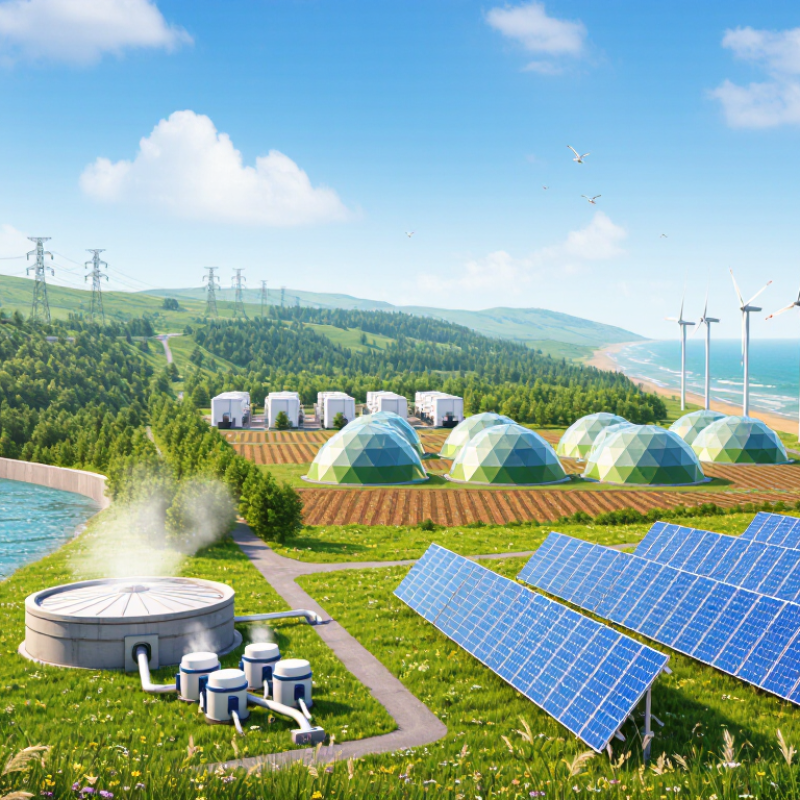
This guide explores ten options, from solar, wind, and hydropower to geothermal energy, sustainable bioenergy, and emerging marine power. It also considers enabling technologies such as batteries, heat pumps, and green hydrogen. Some are mature and widely deployed; others remain costly or location-specific. The boundaries are not always neat. Storage and efficient heating are not energy sources, yet they can make renewable systems more useful. Treat the rankings as a starting point, not a universal prescription. A careful choice begins with local conditions and transparent evidence.
How the Best Renewable Energy Solutions Are Evaluated
The best renewable energy solution is not simply the one with the highest output. A fair evaluation looks at local sunlight, wind patterns, water access, and available land. It also considers cost over the system’s lifetime, expected maintenance, and how reliably energy reaches users. Compare options using the same assumptions, such as project lifespan and energy prices. Otherwise, a tidy chart can make an unfair comparison look convincing.
Tips: Check several years of local weather data, not just a sunny week. Ask how often equipment needs service and who can provide it. Review what happens to panels, batteries, or turbine blades at the end of their useful life. Small details matter.
Environmental effects deserve close attention. A solar installation may use little water during operation, yet its land footprint can affect habitats. Hydropower can provide steady electricity, but dams may alter river ecosystems. Wind projects need careful siting to reduce risks to birds and nearby residents. A scorecard helps, but it is not neutral: incomplete local data can skew results. Be clear about uncertainty, and revisit estimates as conditions change.
Solar, Wind, and Hydropower Technologies
Solar, wind, and hydropower turn natural energy flows into electricity, but each works best in different conditions.
Rooftop solar can suit homes with clear, sunlit roof space. A nearby tree may cast shade across panels and reduce their output. Batteries can store extra daytime power for evening use, though they add cost and require maintenance. Shade matters.
Wind is variable. Turbines need steady, suitable winds and enough space, so a windy-looking backyard may not be a productive site. Larger wind projects can generate substantial electricity, but planning should account for noise, views, and local wildlife.
Hydropower can provide steady generation where water flows reliably. Yet dams and altered streams may affect fish habitats, while drought can reduce output. A small system is not automatically impact-free.
Tips: Check local sun, wind, and water conditions before choosing a technology. Ask for realistic production estimates, including seasonal changes, equipment lifespan, and upkeep. Compare the full system, not just its panels or turbine. One detail is easy to miss: the best option on paper may not fit your property, budget, or community.
Geothermal, Tidal, and Wave Energy Systems
Geothermal, tidal, and wave systems offer renewable power with very different operating rhythms. Geothermal plants draw heat from underground reservoirs, often producing electricity steadily when wind and sunlight fade. The International Energy Agency’s 2024 geothermal report estimates that enhanced geothermal could provide up to 800 gigawatts of global capacity by 2050. That is a scenario, not a guarantee. Drilling costs, rock conditions, and water management still matter.
Tidal turbines use predictable currents, while wave devices capture the motion of passing swells. The U.S. Department of Energy estimates 2,300 terawatt-hours per year of technical marine-energy potential across U.S. waters and technologies. That figure describes a resource, not electricity already available to homes. Saltwater corrosion, storm damage, and difficult maintenance can make offshore equipment expensive. Small details count: a corroded seal can stop a turbine.
The International Renewable Energy Agency reported about 15 gigawatts of installed geothermal capacity worldwide at the end of 2023. Marine power remains much less established, so local pilots and careful monitoring are essential. A coastal project should measure current speeds, seabed conditions, and wildlife interactions before equipment is installed. The appeal is clear. Yet these systems are not automatically low-impact; construction and cabling can disturb sensitive habitats. Real-world performance may disappoint early projections, and that deserves honest reporting.
10 Renewable Energy Solutions: Typical Capacity Factors
An indicative comparison of how much electricity different renewable systems produce relative to their maximum possible output.
Capacity factor is the share of a system’s maximum possible output generated over time. Values are rounded, representative estimates—not a ranking—and vary with location, design, and operating conditions. Tidal and wave energy are less mature technologies, so their performance estimates are especially site-dependent. Benchmarks reflect typical ranges reported in public U.S. Energy Information Administration and National Renewable Energy Laboratory resources.
Biomass, Biogas, and Ocean Thermal Energy
Biomass, biogas, and ocean thermal energy offer different ways to use local resources. Biomass uses plant material or forestry residues to produce heat, electricity, or fuel. Its climate benefits depend on how that material is grown, harvested, and replaced. Burning wood is not automatically carbon-neutral. Transporting bulky feedstock over long distances can also reduce its value. There is no neat answer: residues may help energy systems, but they can also protect soil when left in place.
Biogas is produced when microbes break down organic waste in an oxygen-free digester. Farms and wastewater facilities can capture the gas for heat or electricity, while treated leftovers may support soil management. Careful operation matters; leaks can undermine climate benefits. Ocean thermal energy uses the temperature difference between warm surface water and colder deep water to generate power. It may suit tropical coastal regions, but deep-water pipes and maintenance are demanding. Not everywhere.
Tips: Match the technology to nearby resources and infrastructure. Ask where feedstock comes from, how gas leaks are checked, and what happens to digestate. For ocean thermal projects, examine marine impacts and long-term maintenance plans. Keep assumptions visible; local conditions can change the result.
Green Hydrogen and Choosing Solutions for Local Needs
Green hydrogen is made by splitting water with electricity, ideally from renewable sources. It can store surplus wind or solar power and supply industries that are difficult to electrify, such as steelmaking. It is not a universal fuel. Making, compressing, and transporting hydrogen uses energy, so direct electrification is often more efficient for cars and building heat.
Local conditions should guide the choice of renewable solutions. A windy coastal area may benefit from turbines, while sunny rooftops can support solar panels and batteries. Farms might use biogas from suitable organic waste, and some regions can draw on geothermal heat or carefully managed hydropower. The details matter: a shaded roof, seasonal water shortage, or distant grid connection can change the practical answer.
For hydrogen, planners should identify a nearby, steady demand before building production facilities. A port, fertilizer plant, or steelworks may be a better fit than a neighborhood seeking household heating. The water source, renewable supply, storage needs, and safety procedures also deserve close review. Start with a local energy audit, hourly demand data, and conversations with residents and workers. Some assumptions will be wrong. Pilot projects can reveal that early, before costly infrastructure locks a community into a poor fit.
Related Posts
-
10 Clean Energy Solutions Tips for Global Buyers
-

How to Choose Sustainable Energy Solutions in 2026
-
Exploring China Best Power Solar Solutions for Sustainable Energy?
-
China Best Green Power Energy Solutions for Global Buyers?
-
2026 Best Green Energy Solutions for Global Buyers
-
2026 Best Green Solar Energy Solutions for Global Buyers?
CORPORATE HEADQUARTERS
North America
California
AGIC Energy North America LLC
13025 Danielson Street, Suite 105
Poway, CA 92064 – USA
Phone Number: +1 (858) 842 1513
Email: info@site_cc52bd27-560c-4f9d-bd66-63718fc42539
Sales: sales@site_cc52bd27-560c-4f9d-bd66-63718fc42539