2026 Top Green Power Energy Solutions for Global Buyers
Global buyers are entering a decisive decade for green power energy solutions. Renewable electricity is no longer a niche procurement option. It now shapes industrial strategy, energy security, and long-term operating costs.
The International Energy Agency’s Renewables 2024 report forecasts more than 5,500 gigawatts of renewable capacity additions worldwide between 2024 and 2030. Renewables could supply over 90% of global electricity demand growth during that period. IRENA reported that renewable sources represented 92.5% of new power capacity added in 2024. The numbers are powerful. They are not guarantees.
Francesco La Camera, Director-General of the International Renewable Energy Agency, stated, “The energy transition is off track.” His warning matters to every buyer comparing solar farms, wind projects, battery storage, green hydrogen, and smart-grid systems. A low-cost panel alone cannot solve grid congestion, seasonal demand, or weak local infrastructure. The details matter.
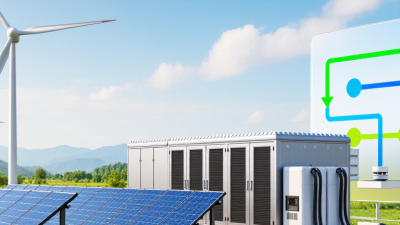
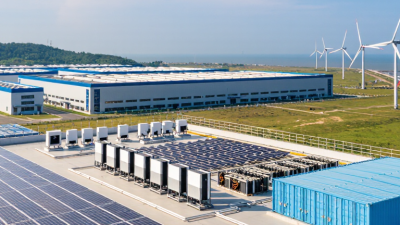
This 2026 overview examines practical green power energy solutions for international procurement teams. It considers project reliability, lifecycle cost, supplier experience, energy-storage needs, grid compatibility, and credible emissions data. Buyers should inspect warranties, degradation rates, maintenance access, permitting conditions, and independent certification. A containerized battery beside a factory tells a clearer story than a glossy brochure.
Progress is real.
So are the gaps.
The best solution may not be the newest technology. It may be the system that performs consistently during cloudy mornings, peak production hours, and difficult budget reviews. Forecasts can change. Procurement discipline should not.
What Green Power Energy Solutions Are and Why They Matter in 2026
Green power energy solutions combine renewable generation, storage, smart grids, and efficiency controls. They convert sunlight, wind, water, and organic resources into usable electricity. In 2026, buyers need more than low-carbon equipment. They need stable output, predictable costs, and measurable environmental performance. The International Energy Agency’s Renewables 2024 report expects global renewable capacity to grow by about 5,500 GW between 2024 and 2030. That expansion will increase demand for flexible systems, especially batteries and demand-response controls.
Cost evidence is also changing purchasing decisions. IRENA’s Renewable Power Generation Costs in 2023 found that 81% of new utility-scale renewable projects were cheaper than fossil-fuel alternatives. However, generation cost alone can mislead. A solar project may produce excellent daytime output, yet struggle during evening peaks or cloudy weeks. Grid connection, land quality, maintenance skills, recycling plans, and local weather data deserve equal attention. A solution can be technically impressive but commercially weak. That is an uncomfortable lesson.
Tips:
Ask suppliers for hourly production profiles, degradation assumptions, warranty terms, and lifecycle emissions data. Compare storage duration, not only battery capacity. Verify claims through independent testing, audited reports, and recognized grid standards. Buyers should also model extreme heat, storms, and supply delays. Perfect forecasts do not exist. Careful planning still reduces expensive surprises.
Key Technologies Shaping Global Green Power Markets
Global green power markets are moving beyond simple solar and wind expansion. Solar photovoltaics now pair with batteries, flexible demand, and advanced forecasting. Wind projects increasingly use higher-capacity turbines and digital condition monitoring. Grid-forming inverters can support stability when conventional generators retire. Yet, technology alone cannot guarantee reliable supply. That assumption can fail.
In project reviews, I examine resource data, grid access, equipment warranties, and operating records.
Buyers need production estimates based on local weather, not regional averages. Fifteen-minute forecasting can improve battery dispatch and reduce imbalance costs. Long-term power contracts should define delivery profiles, certificate ownership, and curtailment responsibilities. Independent testing and lifecycle assessments also reveal hidden emissions. Small data gaps matter.
Digital control platforms are shaping how assets respond to price signals and grid congestion.
Artificial intelligence can identify turbine faults, but poor training data may create false alarms. Human operators still need clear override procedures. Cybersecurity deserves equal attention, especially for remotely managed sites. Green hydrogen may help decarbonize difficult industrial processes, although its electricity and water demands require careful assessment. Costs remain uncertain. Buyers should compare efficiency, local regulation, maintenance access, and end-of-life plans before approving large projects.
How to Evaluate Solar, Wind, Storage, and Hybrid Energy Systems
Evaluating solar, wind, storage, and hybrid systems requires more than comparing equipment prices. In 2024, renewable capacity grew by 585 GW, according to IRENA’s Renewable Capacity Statistics 2025. Solar contributed about 452 GW, while wind added approximately 113 GW. These figures show strong momentum, but local conditions still decide project value.
Check solar yield, wind speed, curtailment risk, land access, and grid connection time. A low-cost panel may perform poorly in dust, heat, or weak maintenance conditions. For storage, compare usable capacity, round-trip efficiency, cycle life, safety systems, and replacement costs. The IEA’s Batteries and Secure Energy Transitions report says battery storage must expand roughly sixfold by 2030 in a net-zero pathway. That target is ambitious. Assumptions can fail.
Tips: Request hourly production simulations, not annual averages. Test at least three weather years. Measure hybrid performance during cloudy, calm evenings. Review warranties, spare-parts access, cybersecurity controls, and local grid rules. Also calculate levelized cost alongside delivered energy cost. A cheaper system may require larger reserves. An oversized battery can quietly weaken returns. I have seen projects look excellent in spreadsheets, yet struggle because connection studies were too optimistic. Use independent engineering reviews, transparent data, and conservative degradation assumptions before signing procurement contracts.
Regional Demand, Regulations, and Buying Factors for Global Buyers
2026 Top Green Power Energy Solutions for Global Buyers
Regional demand now shapes every green power purchase. European buyers often prioritize traceable certificates, grid compliance, and audited emissions data. Carbon reporting rules can affect supplier selection, even when electricity prices look attractive. North American projects require careful review of interconnection queues, tax eligibility, and state-level permitting. Requirements differ widely. Buyers should verify current rules with local counsel and grid authorities.
In Asia, demand is rising for solar, wind, battery storage, and flexible industrial power systems. Local-content rules may influence equipment sourcing and project approval. Several Middle Eastern markets favor large solar projects, competitive auctions, and dependable storage during evening peaks. African buyers often focus on mini-grids, hybrid systems, and backup reliability. Dust, heat, weak transmission lines, and water availability can change the real project cost.
Experienced buyers compare more than the quoted electricity tariff. They examine capacity factors, degradation rates, replacement schedules, warranty language, and cybersecurity controls. Site data should include solar irradiation, wind patterns, land conditions, and grid stability. Ask for lifecycle emissions evidence. Request independent testing where possible. A low-price battery may become expensive after early capacity loss. This happens.
Procurement teams should also assess payment security, currency exposure, insurance, and end-of-life recycling plans. Regional regulations may change before construction finishes. That risk deserves a financial allowance. I have seen technically strong proposals weaken because permitting timelines were treated as assumptions. Transparent documentation is not paperwork alone; it is a buying advantage.
2026 Top Green Power Energy Solutions for Global Buyers
Global renewable power capacity added in 2024 by technology, highlighting the leading solution categories for international procurement.
Solar PV led global deployment in 2024, followed by wind power. Buyers should compare total cost of ownership, grid compatibility, local-content and permitting rules, lifecycle emissions, warranty coverage, supply-chain traceability, and battery or storage integration. Data source: IRENA, Renewable Capacity Statistics 2025.
Procurement, Deployment, and Long-Term Performance Considerations
For global buyers, green power procurement starts with a clear demand profile. Review load curves, seasonal peaks, grid conditions, and available land before comparing technologies. A low purchase price can hide replacement costs, weak warranties, or expensive civil work. Request verified performance data, maintenance records, and transparent degradation assumptions. Check local permits, interconnection rules, safety requirements, and import procedures early.
Deployment needs practical coordination. A detailed site survey should examine drainage, wind exposure, soil strength, access roads, and nearby infrastructure. Small design errors can delay delivery for weeks. During installation, document equipment serial numbers, testing results, and worker training. Use independent inspections where project risks justify the expense. Commissioning should include controlled load tests, emergency procedures, and clear handover documents.
Long-term performance depends on disciplined operation. Monitor output, availability, battery efficiency, fault frequency, and component temperature. Set measurable service-level requirements before signing the contract. Spare parts should match local storage conditions and technician skills. Remote monitoring helps, but it cannot replace physical inspections. Early financial models often look too optimistic because they underestimate cleaning, downtime, and network failures. That weakness deserves honest review. Buyers should revisit forecasts annually and compare actual results with the original assumptions.