What are the Best Green Energy Solutions for Global Buyers?
In today's rapidly changing energy landscape, global buyers seek effective green energy solutions. Renowned expert Dr. Julia Green, a noted authority in renewable energy, emphasizes, "Sustainable energy is not just a trend; it's a necessity for our future." This sentiment resonates with many businesses transitioning to greener operations.
Green energy solutions encompass various technologies and strategies. Solar power, wind energy, and biofuels are increasingly popular. Each option presents unique advantages and challenges. Buyers must carefully assess which solutions align with their operational needs and sustainability goals. The variety can be overwhelming.
Amidst the innovation, buyers must consider practical implications. Issues like cost, scalability, and accessibility often arise. Not every solution fits every situation. Some may fall short of expectations, leading to regrets and reflections on decisions made. Selecting the best green energy solutions requires thorough research and expertise, ensuring these choices foster long-term sustainability.
Overview of Green Energy Solutions for Global Buyers
As global buyers increasingly seek sustainable options, green energy solutions are at the forefront. A recent report from the International Renewable Energy Agency (IRENA) states that renewable energy could generate 86% of global power by 2050. This transition is not just a trend; it's a necessity for combating climate change.
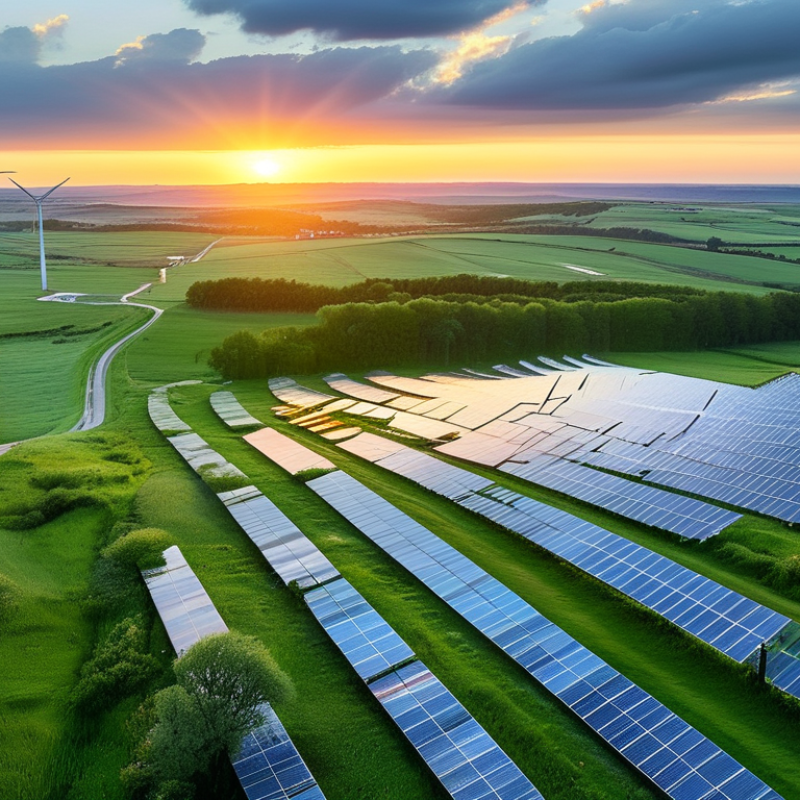
Solar energy is among the most popular solutions. It accounted for 48% of the new power capacity added in 2021. Wind energy follows closely, growing rapidly in regions like Europe and North America. However, geographical limitations and initial investment costs present challenges. Buyers must weigh the long-term benefits against upfront expenses.
Adopting green energy can also help businesses enhance their reputations. A survey by Deloitte found that 64% of consumers prefer brands that prioritize sustainability. Despite clear advantages, understanding local policies and technologies can be daunting for global buyers. Supply chain complexities further complicate the adoption of green solutions. Addressing these concerns requires collaboration and education within the industry.
Key Renewable Energy Sources: Solar, Wind, and Hydropower
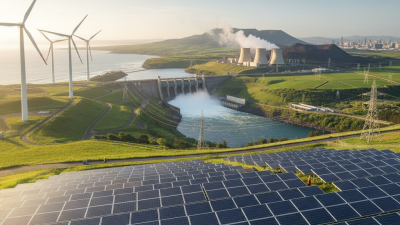
As global demand for clean energy rises, buyers seek sustainable solutions. Among various renewable sources, solar, wind, and hydropower stand out. Each offers unique benefits but also poses challenges.
Solar energy harnesses sunlight. It offers versatility, from rooftop panels to large solar farms. However, efficiency can vary based on location and weather. Not everyone has access to ample sunlight. Consider local climate factors before investing in solar technology.
Wind energy provides another robust option. Wind turbines can generate significant power, especially in coastal areas. Yet, wind patterns are not uniform. Interested buyers should evaluate local wind data to ensure consistency. Deployment costs can be high, but long-term benefits may outweigh initial investments.
Hydropower relies on flowing water to produce energy. It's one of the most established renewable sources. Reservoir creation impacts ecosystems. Therefore, assessing environmental consequences is crucial. Local wildlife may suffer from large dam projects. So, careful planning is necessary.
Tip: Research potential sites thoroughly before investing. Analyze energy needs and natural resources available.
Tip: Consider community impact. Collaboration can lead to better outcomes for renewable projects.
Partner with experts to navigate challenges in renewable energy. A well-informed approach can make a significant difference in achieving sustainable energy goals.
Innovative Technologies in Green Energy Solutions
Innovative technologies in green energy solutions are transforming the global marketplace.
Solar energy, for example, has become more advanced with high-efficiency panels.
These panels convert sunlight into electricity more effectively than older models. Some recent innovations include solar cells made from perovskite materials.
They promise higher efficiency at lower costs.
Wind energy solutions are also evolving.
New turbine designs are more efficient and can generate power with less wind.
Floating wind farms open opportunities in deeper waters, helping harness energy in coastal regions previously considered unfeasible.
Energy storage systems have seen significant improvements, too.
Battery technology is becoming cheaper and more efficient. These advancements help balance supply and demand in renewable energy.
Hydrogen fuel cells are gaining traction as a sustainable energy source.
They produce electricity with water as the only byproduct. However, challenges remain, such as the production process and infrastructure requirements.
Each technological advancement carries potential yet also needs careful consideration.
As the green energy landscape evolves, ongoing research and development are crucial.
The future holds promise, but there are hurdles to overcome.
Evaluating Cost-Effectiveness of Green Energy Investments
Investing in green energy has become increasingly crucial for businesses. According to the
International Renewable Energy Agency (IRENA), solar and wind power are among the most cost-effective
energy solutions globally. The levelized cost of electricity (LCOE) for solar has dropped by over 80% since 2010.
This decline makes it an attractive option for buyers looking to reduce energy expenses.
However, businesses must also assess the initial investment required. The upfront costs for wind and solar installations can be substantial. A report from
BloombergNEF indicates that the average investment for a utility-scale solar project can reach up to
$1 million per megawatt. Despite this, many companies find that the long-term savings and
environmental benefits outweigh these costs. A careful financial analysis is vital to ensure the best return on investment.
Moreover, not all projects guarantee immediate benefits. The variability of renewable energy can pose challenges in energy management. Some regions
face limitations on weather-dependent energy production. Companies must strategically plan for energy storage solutions to combat these fluctuations.
Emphasizing a balanced approach will enhance the cost-effectiveness of green investments, leading
to sustainable growth.
Sustainable Practices for Implementing Green Energy Solutions
Implementing green energy solutions requires a deep understanding of sustainable practices. First, a thorough assessment of energy needs is crucial. This helps identify the most suitable renewable resources. Many organizations overlook this step, leading to inefficient energy use. Analyzing energy consumption patterns can reveal opportunities for improvement.
Communication plays a vital role in sustainability. Engaging stakeholders ensures everyone understands the goals. Establishing a transparent reporting system can enhance accountability. However, many companies falter here, lacking clear benchmarks for success. Regular progress updates can motivate teams and encourage collaboration.
Investing in training is essential. Employees need to know how to maintain and operate new systems. Yet, some organizations neglect ongoing education. Regular workshops can nurture a culture of innovation and adaptability. Furthermore, monitoring environmental impact helps inform future decisions, though data collection can be challenging. It's crucial to remain flexible and ready to adjust strategies as new technologies emerge.