Top 10 Energy Solutions for Sustainable Global Procurement?
In the quest for sustainable global procurement, energy solutions play a critical role. Experts emphasize the importance of innovation in this area. Dr. Emily Chen, a leading energy solutions strategist, states, “Adopting renewable energy sources is essential for future-proofing our economies.” This perspective highlights the urgency of transforming energy models worldwide.
As businesses look to mitigate their environmental impact, exploring diverse energy solutions becomes paramount. From solar to wind, each option presents unique advantages. However, challenges persist. Some organizations struggle with initial costs or regulatory hurdles. These factors can slow down the adoption of innovative energy solutions. Addressing these issues is crucial for success.
Sustainable energy adoption isn't just beneficial; it’s necessary for long-term viability. Companies must embrace change and invest in greener alternatives. While striving for progress, they also need to reflect on their practices. Balancing profitability with environmental responsibility is a continuous journey, fraught with obstacles and lessons.

Current Landscape of Global Energy Procurement Strategies
The current landscape of global energy procurement strategies reflects a dynamic shift towards sustainability. Organizations face increasing pressure to adopt energy solutions that align with environmental goals. Renewable energy sources dominate discussions, yet the transition is complex. Companies must consider not only cost but also reliability and efficiency. The integration of solar and wind energy is promising, but it often requires significant upfront investment and infrastructure adjustments.
Energy procurement strategies now emphasize long-term partnerships. Collaboration with local suppliers can enhance reliability. However, these partnerships may not always guarantee stability, given fluctuating market conditions. Additionally, companies struggle with the need for transparency in their energy sources. As consumers demand accountability, organizations must reevaluate their procurement practices.
Technological advancements play a crucial role in shaping these strategies. Smart grid technology improves energy distribution, yet many companies lack the expertise to implement it effectively. Moreover, businesses must navigate the regulatory environment, which can be daunting and inconsistent. This inconsistency hampers strategic planning. Ultimately, while the shift toward sustainable energy is essential, organizations must confront multiple challenges along the way.
Top 10 Energy Solutions for Sustainable Global Procurement
| Energy Solution | Key Features | Benefits | Challenges |
|---|---|---|---|
| Solar Energy | Photovoltaic cells, solar panels | Reduction in electricity bills, low emissions | Intermittency, high initial costs |
| Wind Energy | Wind turbines, offshore/onshore | Sustainable, low operating costs | Visual impact, noise pollution |
| Hydroelectric Power | Dams, water turbines | Reliable energy, flood control | Environmental impact, relocation issues |
| Geothermal Energy | Heat pumps, geothermal plants | Consistent output, low emissions | Site limitations, high development costs |
| Biomass Energy | Organic materials, biofuels | Waste reduction, carbon neutrality | Land use competition, emissions |
| Tidal Energy | Underwater turbines, barrages | Predictable output, low operational costs | Limited sites, marine ecosystem impact |
| Hydrogen Fuel Cells | Electrolyzers, fuel cells | High efficiency, zero emissions | Production costs, infrastructure needs |
| Energy Storage Systems | Batteries, pumped storage | Smoothens supply, enhances reliability | Cost, recycling issues |
| Smart Grid Technology | IoT, data analytics | Improved efficiency, demand response | Cybersecurity risks, infrastructure costs |
| Nuclear Energy | Fission reactions, reactors | High output, low emissions | Waste disposal, safety concerns |
Renewable Energy Sources and Their Role in Sustainable Procurement
Renewable energy sources play a vital role in sustainable procurement practices. A recent report from the International Renewable Energy Agency (IRENA) highlights that the global renewable energy capacity reached 2,799 GW in 2020. This growth underscores the importance of integrating renewable sources into procurement strategies. In corporate sustainability reports, many companies now emphasize transitioning to solar, wind, and other renewable resources. These alternatives not only help reduce greenhouse gas emissions but also lower energy costs over time.
In addition, the World Economic Forum indicates that the transition to renewable energy can lead to a 70% reduction in carbon emissions by 2050. However, the shift is not without challenges. Many organizations face barriers such as high upfront costs and supply chain complexities. Committing to renewable energy often requires significant investment in infrastructure. Despite these hurdles, companies that adopt sustainable procurement practices can differentiate themselves in the market.
The implementation of renewable energy sources is still uneven globally. While some regions embrace solar and wind energy, others lag behind due to economic constraints. This disparity raises questions about equity in energy access and the broader implications for global sustainability efforts. As the industry progresses, continuous analysis and adaptation are necessary to overcome these obstacles.
Innovative Energy Technologies Shaping Future Procurement Practices
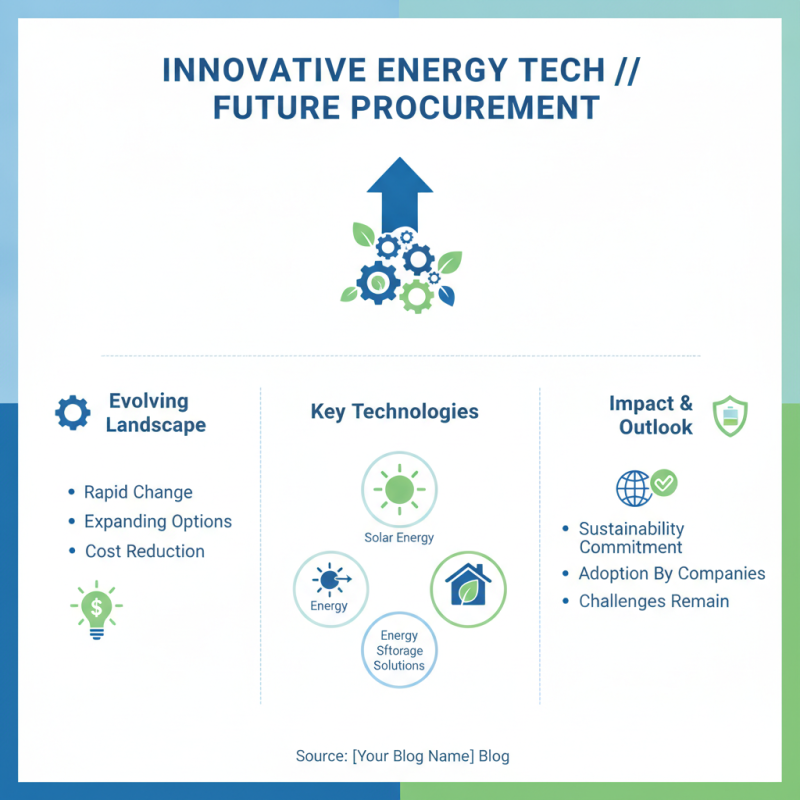
The landscape of procurement is evolving rapidly. Innovative energy technologies are at the forefront of this change. From solar energy to energy-efficient systems, the options are expanding. Many companies are adopting these technologies to reduce costs. This shift reflects a broader commitment to sustainability. However, challenges remain.
One significant trend is the integration of renewable energy sources. Businesses are increasingly considering wind and solar power. These resources can decrease reliance on fossil fuels. Yet, there are hurdles like initial investment costs and infrastructure adaptability. Some organizations struggle to align their procurement processes with these innovations. This can lead to missed opportunities for energy savings and improved sustainability.
Another area of growth is the rise of smart technology. IoT devices can monitor energy use in real time. This transparency allows companies to optimize their energy consumption. While the potential is vast, many firms still face difficulties. Understanding new technologies can be complex. The need for training and adaptation can be daunting. Striking a balance between innovation and practicality is crucial in shaping future procurement practices.
Regulatory Frameworks Impacting Global Energy Procurement Decisions
The regulatory frameworks shaping global energy procurement are increasingly complex. Policymakers influence energy decisions through mandates and incentives. According to a recent report by the International Energy Agency, approximately 70% of energy procurement strategies are directly impacted by local regulations. These regulations can foster a shift towards renewable sources while maintaining compliance with reduction targets.
Navigating these frameworks requires diligence. While some regulations promote green energy, others present significant challenges. For instance, oil and gas companies face stricter emissions standards, often leading to increased operational costs. Companies must adapt quickly to remain competitive and compliant.
Tips: Stay informed about changes in local and international regulations. Join industry forums or subscribe to energy reports. Maintain a flexible procurement strategy; it can help mitigate risks associated with regulatory shifts. As regulations evolve, organizations may find that staying ahead can enhance sustainable procurement practices.
Top 10 Energy Solutions for Sustainable Global Procurement
Best Practices for Integrating Sustainability in Energy Supply Chains
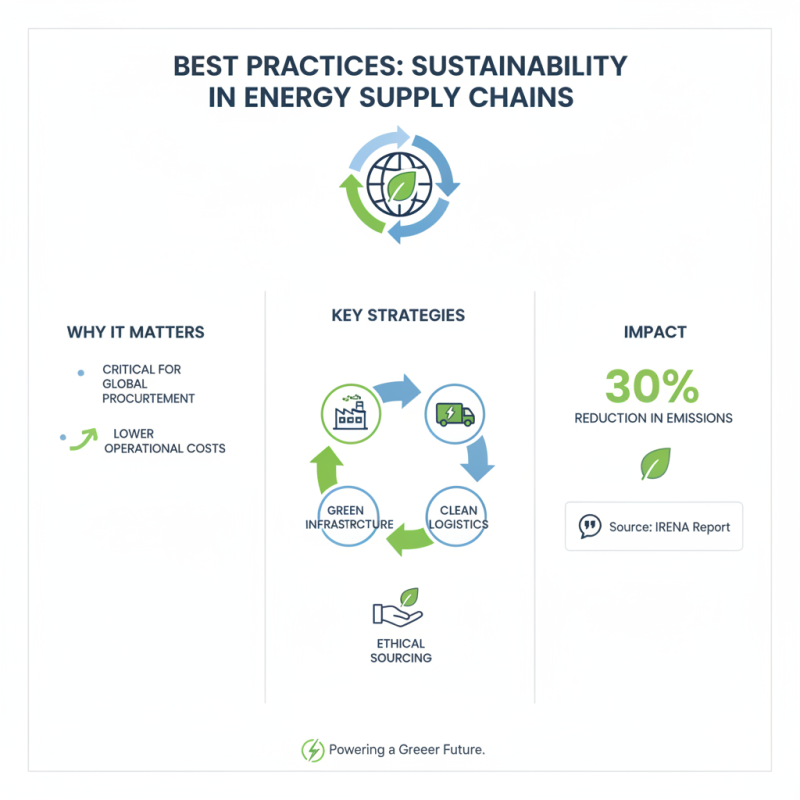
Sustainable energy supply chains are critical for global procurement strategies. Many companies are now focusing on integrating sustainability into their operations. According to a report by the International Renewable Energy Agency, sustainable energy solutions can reduce supply chain emissions by about 30%. This significant reduction is not just beneficial for the environment; it can also lower operational costs.
Implementing best practices involves several strategies. Companies should prioritize renewable energy sources. This means investing in solar, wind, and biomass. By diversifying energy sources, companies can enhance their resilience against market volatility. Furthermore, adopting energy-efficient technologies is crucial. A study from McKinsey states that energy efficiency improvements can yield returns of 3-5 times the initial investment.
**Tips**: Engage suppliers in sustainability efforts. This collaboration can lead to innovative solutions and shared benefits. Regular audits of energy use can identify areas for improvement. Lastly, consider the lifecycle impact of energy technologies—it's essential to think beyond immediate profits for long-term viability.
Related Posts
-
2026 Top Power Green Energy Solutions Revolutionizing Sustainable Energy
-
Top Renewable Power Solutions for a Sustainable Future?
-
10 Essential Tips for Implementing Green Power Solutions Today
-
Top Renewable Power Solutions Transforming the Energy Landscape Today?
-
Top 10 Renewable Energy Solutions for Global Buyers?
-
Top 10 Green Power Energy Solutions for a Sustainable Future?
CORPORATE HEADQUARTERS
North America
California
AGIC Energy North America LLC
13025 Danielson Street, Suite 105
Poway, CA 92064 – USA
Phone Number: +1 (858) 842 1513
Email: info@site_cc52bd27-560c-4f9d-bd66-63718fc42539
Sales: sales@site_cc52bd27-560c-4f9d-bd66-63718fc42539