2026 Top Energy Solutions for Global Buyers to Explore?
In the rapidly changing global marketplace, energy solutions have emerged as critical drivers of sustainability and growth. According to a recent report by the International Energy Agency (IEA), global energy-related carbon emissions hit a new high in 2022. This alarming trend underscores the urgency for innovative energy approaches. Buyers around the world are prioritizing solutions that reduce emissions while meeting increasing energy demands.
Renewable energy adoption is soaring, with solar and wind capacity projected to grow by 50% over the next five years. Transitioning to cleaner energy is not just a trend; it is essential for combating climate change. A McKinsey report suggests that energy solutions must encompass energy efficiency, storage, and smart grids to be effective. However, the shift towards sustainable solutions presents challenges and requires careful planning.
As the world seeks to balance economic growth with environmental responsibility, exploring various energy solutions becomes a necessity. Businesses and policymakers must collaborate to ensure these solutions are not only effective but also equitable. The journey towards clean energy is complex, requiring ongoing evaluation and adaptation.
Emerging Renewable Energy Technologies to Watch in 2026
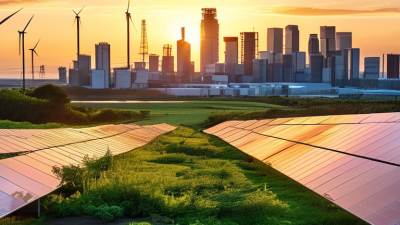
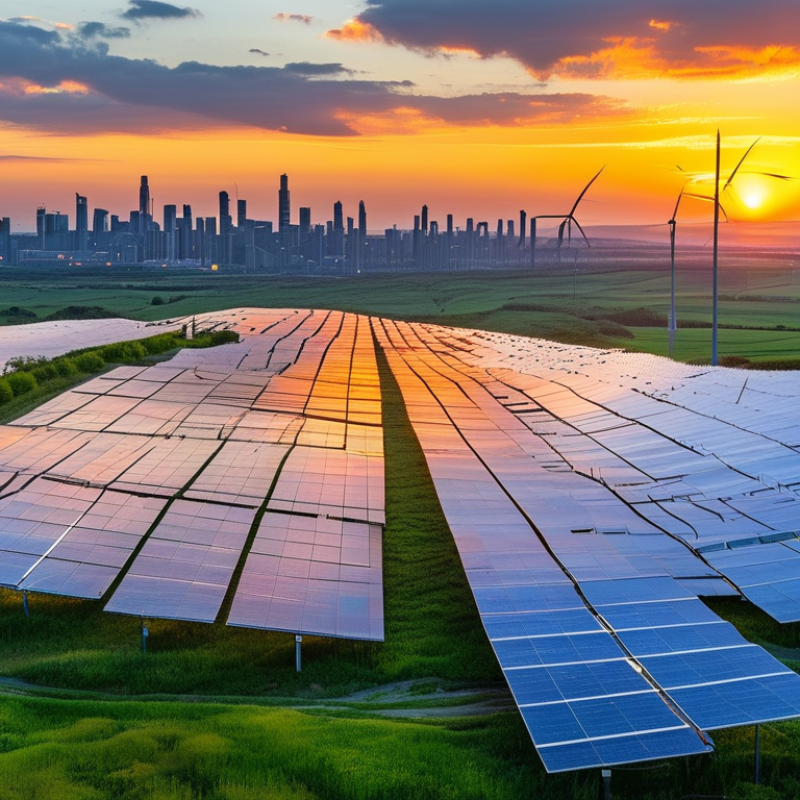
As we move toward 2026, the landscape of renewable energy is evolving rapidly. Several emerging technologies are gaining traction, aiming to provide sustainable solutions for energy needs. Solar energy, particularly in the form of building-integrated photovoltaics, is becoming more accessible. These panels can blend seamlessly into buildings, making solar energy production more aesthetically pleasing and practical.
Wind energy is also advancing, with smaller, more efficient turbines. These turbines can be installed in urban areas, generating power where it's most needed. Moreover, innovative energy storage systems are enhancing the viability of renewable sources. Technologies like solid-state batteries promise longer life and higher efficiency, addressing the intermittent nature of solar and wind.
While these advancements are exciting, they come with challenges. Integration into existing infrastructures can be complex and costly. There is also a need for public acceptance of these technologies. Not everyone is ready to embrace change, especially in small communities. As buyers explore these options, careful consideration is necessary to ensure the chosen solutions meet local needs and regulatory requirements.
2026 Top Energy Solutions for Global Buyers to Explore
| Energy Technology |
Description |
Expected Growth Rate (2026) |
Key Benefits |
| Solar Photovoltaics |
Converts sunlight directly into electricity using solar cells. |
22% |
Low operational cost, scalability, and environmentally friendly. |
| Wind Energy |
Harnesses wind power through turbines to generate electricity. |
18% |
Sustainable, large-scale production capacity, and low emissions. |
| Hydrogen Fuel Cells |
Converts hydrogen and oxygen into electricity, water as the only byproduct. |
15% |
High efficiency, long-range capabilities for transport. |
| Geothermal Energy |
Uses heat from the Earth’s core to generate electricity and heat. |
12% |
Reliable, constant energy supply regardless of weather conditions. |
| Bioenergy |
Produced from organic materials used for heating and electricity generation. |
10% |
Waste reduction, carbon neutral potential, and energy security. |
Key Energy Storage Solutions Transforming Global Energy Markets
The global energy landscape is rapidly changing, driven by the need for efficient energy storage solutions. Key innovations in battery technology are at the forefront of this transformation. According to a report by the International Energy Agency, global battery storage capacity is projected to reach 1,000 GWh by 2025. This growth reflects the increasing demand for reliable and sustainable energy storage systems.
Companies are exploring various energy storage options, including lithium-ion batteries, flow batteries, and solid-state solutions. Lithium-ion batteries dominate the market, holding around 90% of the share, but new entrants like solid-state technology are showing promise. These advanced batteries offer higher energy densities and enhanced safety features. Still, challenges like production costs and scalability remain.
Energy storage is crucial for integrating renewable sources. The intermittency of solar and wind energy makes robust storage systems vital. As highlighted in a report by BloombergNEF, investments in energy storage technologies reached $8 billion in 2022, indicating growing confidence in these solutions. Buyers must remain attentive to market trends and technological advancements, as not all solutions may suit their specific energy needs. The path to a sustainable future is complex and requires continuous evaluation and adaptation.
Innovative Energy Management Systems for Sustainable Consumption
Innovative energy management systems are crucial for fostering sustainable consumption in today's world. These systems utilize advanced technology to monitor and manage energy use, reducing waste and promoting efficiency. They allow consumers to gain real-time insights into their energy consumption patterns. This helps in making informed decisions that support sustainability.
One effective tip is to utilize smart meters. These devices provide immediate feedback on energy usage. Users can track their consumption in real time, leading to more conscious usage habits. Additionally, energy management software can analyze this data. It reveals trends and identifies areas for improvement. Users can see where their energy goes and where they can cut back.
Engaging in community energy initiatives can also enhance sustainability efforts. These programs encourage collective action to reduce consumption and increase renewable energy sources. However, not every initiative is successful. Some may falter due to lack of participation or resources. Reflecting on past challenges can help future projects succeed. It's essential to learn from setbacks and collaborate effectively.
The Role of Smart Grids in Future Energy Distribution
Smart grids represent a transformative approach in energy distribution. They allow for two-way communication between the utility and its customers. This technology optimizes energy usage and improves reliability. With real-time data, utilities can balance supply and demand efficiently. This responsiveness enhances overall grid performance and reduces outages.
Many see smart grids as the future. However, challenges exist. Integration is not always seamless. Legacy systems can pose barriers to implementation. Moreover, data security is a significant concern. Protecting customer information while enabling smart operations requires careful planning.
Tips for embracing smart grids include starting with a pilot project. This allows for testing technology on a smaller scale. Assessing the results helps in making informed decisions for broader deployment. Collaboration with local stakeholders can also enhance success. Engaging the community fosters trust and encourages participation in energy programs. Ultimately, navigating the complexities of smart grids requires diligence and adaptability.
Top Trends in Energy Efficiency Solutions for Global Buyers
Energy efficiency is at the forefront of global initiatives. Recent studies show that improving energy efficiency can significantly reduce carbon emissions. According to the International Energy Agency (IEA), investments in energy efficiency could lead to a reduction of 2.7 gigatons of CO2 annually by 2026. This figure underscores the importance of adopting innovative technologies and practices.
Emerging trends are shaping the landscape of energy solutions. Smart meters are becoming essential for monitoring and optimizing energy consumption. They provide real-time data, enabling users to make informed decisions. Additionally, the integration of renewable resources into existing infrastructure is gaining momentum. A report by Navigant Research highlighted that energy efficiency improvements resulted in a 30% decrease in energy usage in sectors that embraced these changes. However, many companies still face challenges due to insufficient funding and awareness.
Furthermore, the concept of circular economy is creating new opportunities. Organizations are looking to minimize waste and maximize resource efficiency. This shift may lead to innovative product designs and sustainable practices. However, the transition is not without its hurdles. Companies must invest in training and development to fully realize these benefits. The evolving landscape of energy efficiency is a reminder that continuous improvement is necessary in the pursuit of sustainability.
2026 Top Energy Solutions for Global Buyers
This chart illustrates the top energy efficiency solutions for global buyers in 2026. The data reflects the percentage of industry interest in various technologies.