China Top Innovative Energy Storage Solutions Suppliers?
China has become a central force in the global energy storage market. Its suppliers now serve utility, commercial, industrial, and residential projects worldwide. The opportunity is substantial, but supplier selection requires more than reviewing a product catalogue. Buyers must examine safety records, cell chemistry, warranty terms, software capability, and after-sales support.
The China Energy Storage Alliance reported that China added approximately 21.5 GW and 46.6 GWh of new energy storage capacity in 2023. This represented rapid year-on-year growth, although project definitions and reporting methods can differ. The International Energy Agency’s Batteries and Secure Energy Transitions report states that global battery storage capacity must expand significantly by 2030 to support renewable energy targets. These figures explain the rising demand for innovative energy storage solutions, especially systems that balance solar generation, grid congestion, and peak electricity prices.
Technology alone does not guarantee dependable performance. A reliable supplier should demonstrate factory quality controls, documented cycle-life testing, thermal management, and compliance with recognized international standards. Field experience also matters. A battery system installed beside a remote solar farm faces different challenges from one operating inside an urban warehouse.
China offers impressive manufacturing scale and cost competitiveness. Still, some claims require closer examination. Public project data may be incomplete, while “leading” rankings can depend on shipment volume rather than long-term reliability. This guide reviews prominent Chinese suppliers through measurable criteria, including product maturity, safety engineering, global certifications, integration expertise, and service responsiveness. The goal is practical comparison, not promotional certainty.
What Defines Innovative Energy Storage Solutions in China?
China Top Innovative Energy Storage Solutions Suppliers?
What Defines Innovative Energy Storage Solutions in China?
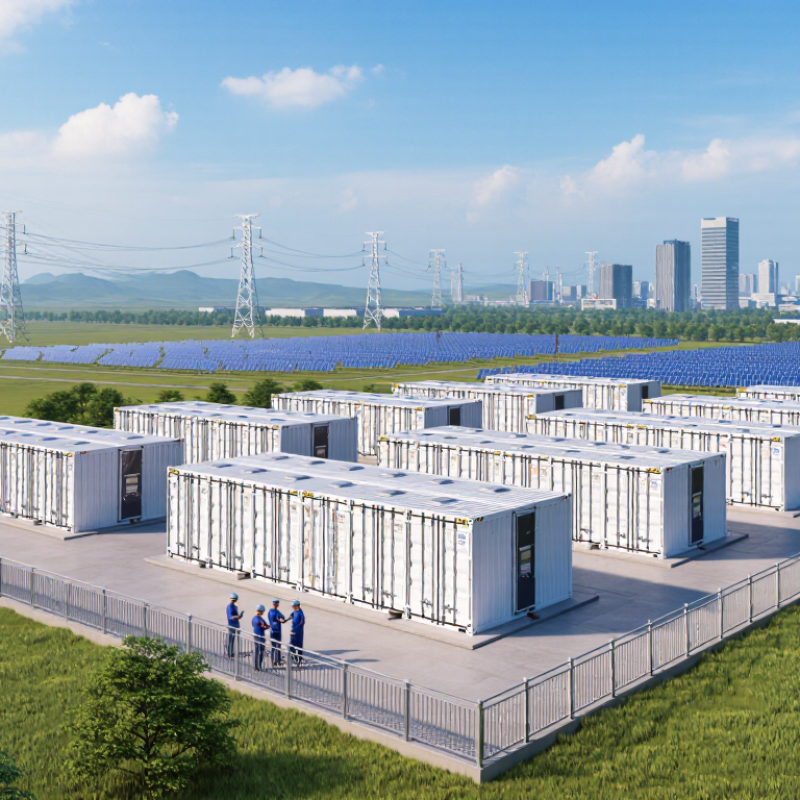
Innovation in China’s energy storage sector is not limited to larger battery capacity. It means solving practical problems under changing temperatures, uneven grids, and limited installation space. An experienced supplier studies the complete operating environment before selecting cells, inverters, cooling systems, and control software.
A reliable solution should show measurable performance. Engineers may examine round-trip efficiency, cycle life, response speed, noise levels, and thermal behavior. A well-designed battery cabinet can maintain stable temperatures during a hot afternoon. Its battery management system should detect voltage differences early and isolate abnormal modules safely. Clear test records matter more than attractive product claims.
Real projects also reveal less visible details. Can technicians replace a module without shutting down the entire system? Does the software provide useful alerts instead of constant warnings? Are maintenance instructions understandable for local operators? These questions often separate practical innovation from laboratory performance.
No design is perfect. Cooling equipment can consume extra energy, while dense battery layouts may complicate servicing. Suppliers should explain these trade-offs honestly and provide field data from comparable projects. Independent testing, transparent warranties, documented safety procedures, and responsive technical support strengthen trust. In my view, the most innovative Chinese solutions combine engineering discipline with careful listening to users. Fancy features help less when the system is difficult to maintain.
Major Types of Chinese Energy Storage Solution Providers
Chinese energy storage solution providers are best understood by their technical roles, not only by company size. Battery manufacturers supply cells, modules, and containerized systems for grid and commercial projects. Power conversion specialists provide PCS equipment, transformers, and control interfaces. According to the International Energy Agency’s Global EV Outlook 2024, China held about 80% of global battery cell manufacturing capacity in 2023. That industrial depth supports faster procurement and localized maintenance.
Another major group includes system integrators and engineering contractors. They combine batteries, PCS units, energy management software, cooling, and fire protection into operating projects. China Energy Storage Alliance data reported approximately 31.39 GW of cumulative new energy storage capacity in China by the end of 2023. This growth increases demand for project design, commissioning, monitoring, and lifecycle services. Software providers also matter. Their platforms forecast loads, schedule charging, and track battery health.
Safety and reliability providers form a less visible category. They deliver thermal management, sensors, testing, and emergency response systems. A supplier may fit several categories. That makes comparisons difficult. In practice, buyers should examine round-trip efficiency, degradation assumptions, warranty terms, response time, and local service capability. Factory scale alone is not enough. Field data can be incomplete, especially for newer storage chemistries. Careful verification remains necessary.
How to Evaluate China’s Energy Storage Suppliers
Evaluating China’s energy storage suppliers requires more than comparing quoted prices. Start with the application: grid support, commercial backup, or renewable integration. Each use case demands different power ratings, cycling patterns, and control functions. Ask for measured performance data, not only laboratory claims. Check round-trip efficiency, capacity retention, response time, and operation at local temperatures.
A credible supplier should provide clear cell traceability, thermal management details, and documented safety testing. Review the battery management system, fire protection design, and emergency shutdown process. Request warranty terms in writing, including capacity limits, cycle conditions, and response times. Factory visits can reveal production discipline through sampling records, aging rooms, and quality checkpoints. Still, appearances can mislead. Independent inspections and third-party test reports are valuable.
Evaluate the complete partnership. Does the engineering team understand grid codes in your market? Can the system connect with your existing energy management platform? Ask for references from projects with similar load profiles, then verify their operating results. Examine spare-parts planning, remote monitoring, software updates, and local service capacity. A low initial price may become expensive after repeated failures or delayed support. Pilot testing is sensible, although it adds time and cost. No scorecard is perfect. Some technical risks only become visible after months of cycling, seasonal temperature changes, and real dispatch pressure.
China’s New-Type Energy Storage Market Growth
Rapid market expansion is an important factor when evaluating Chinese energy storage suppliers, including manufacturing capacity, project experience, and delivery capability.
Cumulative installed capacity of new-type energy storage in China, excluding pumped-hydro storage. Source: China National Energy Administration.
Applications, Safety Standards, and Market Trends
China Top Innovative Energy Storage Solutions Suppliers?
Energy storage suppliers now serve solar shifting, industrial peak shaving, microgrids, and frequency regulation. The International Energy Agency reported nearly 40 GW of new battery storage capacity in 2023, more than doubling annual additions. This growth favors suppliers that can provide modular systems, battery management software, and dependable after-sales service. Containerized lithium iron phosphate systems remain popular because they offer strong thermal stability and long cycle life. However, chemistry alone does not guarantee safety.
Safety is engineered.
Project owners should examine compliance with IEC 62619, IEC 62933, NFPA 855, and UL 9540A testing requirements. These frameworks address cell safety, system integration, installation, and thermal-runaway behavior. Practical reviews should include fire detection, gas monitoring, emergency shutdowns, spacing, and access for responders. A supplier should present test evidence, not only certificates. Site-specific risk assessments still matter, especially in hot, humid, or densely populated locations. The gap remains between laboratory performance and field conditions.
Market trends are moving toward longer-duration storage, intelligent energy management, and hybrid systems combining batteries with solar or other storage technologies. BloombergNEF’s 2024 market analysis identified rapidly falling battery prices and accelerating global deployment, yet local grid rules still shape project economics. Buyers should compare warranty assumptions, degradation curves, round-trip efficiency, and replacement plans. Lowest upfront cost can become expensive after several years. Forecasts are useful, but imperfect. Experienced suppliers explain uncertainty instead of hiding it.