+1 (858) 842-1249 

info@site_cc52bd27-560c-4f9d-bd66-63718fc42539 

sales@site_cc52bd27-560c-4f9d-bd66-63718fc42539

What Are the Best Solar Storage Solutions in 2026?

Choosing among solar storage solutions in 2026 means balancing usable capacity, backup performance, cost, and installation constraints. A battery’s advertised capacity is not the whole story. Check its usable kilowatt-hours, continuous output, chemistry, inverter compatibility, warranty terms, and whether it can power essential circuits during an outage. A bright afternoon and a quiet evening are different operating conditions.

The International Energy Agency’s Batteries and Secure Energy Transitions report says global energy storage capacity needs to reach 1,500 gigawatts by 2030 in its net-zero pathway, with batteries providing 1,200 gigawatts. That is a scenario, not a guaranteed forecast. Still, it signals why storage is becoming central to renewable-energy planning. In Tesla’s 2016 Master Plan, Elon Musk described a “solar-roof-with-battery product that just works.” The phrase captures the appeal, but real homes require careful sizing. A compact battery may cover lights, a refrigerator, and a router; it may not run air conditioning for long. Details matter.

This guide compares leading home battery systems by usable capacity, power, efficiency, backup options, warranty, and likely fit. It also considers installation and local electricity rates, since a strong product can deliver weak savings under the wrong tariff. No single system suits every roof or household. Battery prices, incentives, and product availability also change, so 2026 buyers should verify current specifications and installer quotes. The best choice is the one that matches actual usage—not the largest number on a brochure.
What Are the Best Solar Storage Solutions in 2026?

How Solar Energy Storage Works

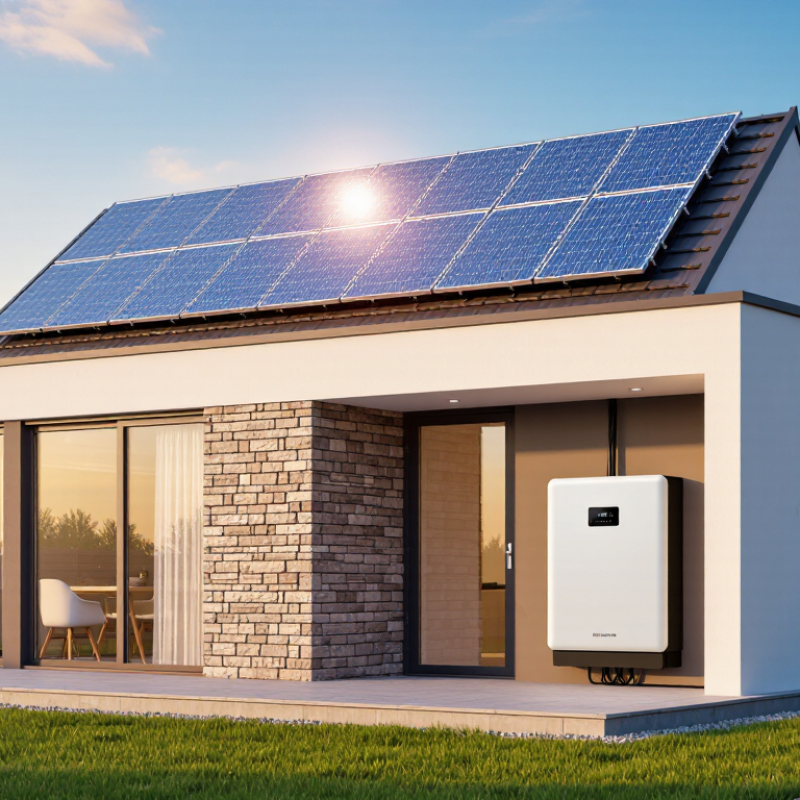
Solar panels produce direct-current (DC) electricity when sunlight reaches their cells. Most homes use alternating current (AC), so an inverter converts the power for household appliances. When panels generate more electricity than the home needs, a controller or hybrid inverter can send the surplus to a battery. The battery stores energy chemically, then releases it through power electronics when needed. Often, that means after sunset. During an outage, backup depends on the system’s wiring and transfer equipment.

Battery controls monitor conditions such as temperature and charge level to keep operation within designed limits. Capacity describes how much energy a battery can store; power describes how quickly it can deliver that energy. Both matter. Conversion losses mean you will not get every stored unit back as usable electricity. Actual performance also varies with temperature, shading, and household habits. Diagrams make the process look simple. Real homes are messier.

Tips: Check usable capacity, continuous power, and which circuits receive backup. Review a typical evening’s electricity use before choosing a system size. Ask how the battery recharges during an outage. Monitoring tools can reveal useful patterns, but their readings may not explain every fluctuation.

Main Types of Solar Storage Systems in 2026

In 2026, solar storage includes several distinct technologies, and each solves a different problem. Lithium-ion batteries are common in home systems because they store electricity compactly and respond quickly. Many current options use lithium iron phosphate chemistry, valued for stable operation and long cycle life. They still need suitable installation, temperature control, and clear safety planning. No battery is maintenance-free.

Lead-acid batteries can cost less upfront, but they are heavier and typically offer less usable capacity. Flow batteries store energy in liquid electrolytes and may suit larger installations needing long discharge periods. Their tanks take space. Thermal storage works differently: it holds heat, often in water or another medium, for later use in heating or hot water. It may not power household appliances directly, but it can reduce demand on electric heating.

Hybrid systems combine solar panels, a battery, and an inverter that manages power flows. Some also connect to the grid or a backup generator. The equipment must match the household’s actual loads, not just the panel rating. A family using power after sunset may value usable capacity, while a home with frequent outages may prioritize backup capability. It is easy to overlook winter output and battery aging. Compare usable energy, round-trip efficiency, warranty terms, and installation conditions before choosing.

What Are the Best Solar Storage Solutions in 2026? — Main Types of Solar Storage Systems
Storage Type Typical Round-Trip Efficiency Typical Cycle Life Best-Fit Use Main Advantages Key Limitations
Lithium Iron Phosphate (LFP) Battery About 85–95% at system level Roughly 3,000–8,000 cycles, depending on operating conditions and end-of-life criteria Residential and commercial daily solar shifting, backup power, and self-consumption Long cycle life, strong thermal stability, and no nickel or cobalt in the cathode Upfront cost, usable capacity, and cold-weather performance vary by system; requires battery management and installation safeguards
Nickel Manganese Cobalt (NMC) Battery About 85–95% at system level Roughly 1,000–3,000 cycles, depending on cell design and use Space-constrained homes and installations where high energy density is valuable High energy density and compact footprint Thermal management and protective controls are important; cycle life and material sourcing vary
Lead-Acid Battery About 70–85% at system level Roughly 500–1,500 cycles, depending on type and depth of discharge Low-cost, occasional-use backup and off-grid systems with limited cycling Mature technology, widely recyclable, and comparatively simple to understand Lower usable depth of discharge, shorter cycle life, heavier equipment, and more frequent replacement than many lithium-ion options
Flow Battery About 65–85% at system level Often 10,000 or more cycles; stack life and electrolyte life differ Commercial or grid-scale installations needing frequent cycling and longer discharge periods Energy capacity can be increased by enlarging electrolyte tanks; many designs tolerate deep cycling Lower energy density, larger footprint, and higher system complexity than common home batteries
Pumped-Hydro Storage About 70–85% Typically several decades of plant operation; not usually rated by battery-style cycles Utility-scale storage for balancing solar supply over hours or longer Large capacity, long operating life, and proven grid-scale operation Requires suitable elevation, water access, significant construction, and lengthy permitting
Thermal Energy Storage Varies widely; heat-to-heat systems can be efficient, while conversion back to electricity adds losses Varies by storage medium and equipment; often designed for repeated daily operation Solar water heating, building heating and cooling, and concentrating solar power Can store heat or cold directly, reducing the need to convert electricity into another form Usually stores thermal energy rather than electricity; performance depends on insulation, temperature, and system design
Hydrogen Storage Typically about 25–45% for electricity-to-hydrogen-to-electricity pathways Not generally expressed as a battery cycle-life figure; equipment life depends on electrolyzer, storage, and reconversion technology Long-duration or seasonal storage and applications that can use hydrogen directly Can store energy for long periods and support uses beyond electricity generation Low electricity round-trip efficiency, added equipment requirements, and storage and safety considerations

Values are indicative industry ranges, not guarantees. Actual efficiency, cycle life, usable capacity, and cost depend on system design, temperature, operating strategy, installation, and the measurement boundary. Thermal storage stores heat or cold, while hydrogen is generally better suited to long-duration storage than daily household cycling.

How Leading Storage Technologies Compare

The best solar storage choice depends on when electricity is needed, not just battery capacity. Lithium-ion systems suit homes that need quick response after sunset. NREL’s 2024 Annual Technology Baseline uses about 85% round-trip efficiency for utility-scale lithium-ion storage. In practice, actual efficiency varies with temperature, controls, and system design. Fast response matters.

For longer discharge periods, flow batteries can scale energy capacity separately from power, which may suit daily solar shifting. They generally need more space than compact lithium-ion systems. The U.S. Department of Energy describes long-duration storage as systems capable of delivering power for 10 hours or more. That threshold matters where cloudy spells stretch beyond one evening. But “long duration” alone does not guarantee lower costs.

At grid scale, pumped hydropower offers substantial storage where suitable terrain and water access exist; thermal storage can also pair solar electricity with heating demand. These options are less plug-and-play than batteries. The IEA’s Batteries and Secure Energy Transitions report says global battery storage capacity reached roughly 85 GW in 2023 and would need to approach 1,200 GW by 2030 in its net-zero pathway. That forecast signals rapid growth, not a universal winner. Site conditions, usable discharge hours, replacement needs, and safety controls all change the comparison. A neat ranking is tempting, but often misleading.

Factors for Choosing a Solar Storage Solution

Choosing a solar storage solution in 2026 starts with your actual electricity use, not the largest battery available. Review several months of bills and note when your household uses power after sunset. A family that runs air conditioning at night needs different storage from a home that mainly wants backup for a refrigerator and lights. Check usable capacity, continuous output, and whether the system can support the appliances you care about. More capacity is not automatically better.

Consider how the battery will fit your existing solar setup, and ask about expansion, monitoring, warranty terms, and expected performance over time. Compare the full installed cost, not just the battery price. Ask a qualified installer to explain the design and show how it handles cloudy days or outages. I’d be cautious about estimates based on perfect weather; real usage can be messier than a spreadsheet suggests. That matters.

Tips: List essential appliances and their wattages before requesting quotes. Ask how much stored energy remains available after conversion losses, and whether backup power switches on automatically. Check the proposed location for temperature limits and ventilation needs. Get the assumptions in writing. Then compare options using the same household load and backup duration.

What Are the Best Solar Storage Solutions in 2026?

Typical cycle-life ranges by battery chemistry

Lithium iron phosphate (LFP) batteries commonly offer longer cycle life than nickel manganese cobalt (NMC) and lead-acid batteries. These ranges are indicative, not guarantees: actual life depends on product design, depth of discharge, temperature, and usage. Compare usable capacity, round-trip efficiency, warranty, safety, cost, and system compatibility before choosing.

Matching Storage Systems to Household and Commercial Needs

A useful solar storage system starts with the loads you actually need to run, not the largest battery available. For a household, review a few months of electricity bills and note evening use, heating or cooling, and essential devices. A refrigerator, router, lights, and medical equipment may need backup; an electric vehicle may not. Small details matter. Compare usable capacity with expected overnight consumption, then check the system’s continuous power rating. A battery may store enough energy yet struggle to start a pump or other high-demand appliance.

Homes that mainly want to use more rooftop solar after sunset may need less capacity than homes planning for outages. Consider local weather, outage patterns, and whether the system can expand later. Backup performance depends on the inverter, wiring, and selected circuits, too. Not always obvious. Ask an installer to explain what remains powered when the grid goes down, and verify safety certifications, warranty terms, and expected service life. Estimates can be imperfect; household routines change.

Commercial sites need a different assessment. Gather interval meter data and identify peak-demand periods, operating hours, and critical equipment. Storage can shift solar energy into late-day use or help manage demand charges, but savings depend on the site’s tariff and load profile. A warehouse with steady daytime cooling has different needs from a shop with sharp evening peaks. Model several operating scenarios, including cloudy weeks and maintenance downtime. The best fit is not automatically the biggest system. It is the one whose usable energy, output, controls, and payback assumptions match the site’s real demands.

CORPORATE HEADQUARTERS

North America

California

AGIC Energy North America LLC
13025 Danielson Street, Suite 105
Poway, CA 92064 – USA
Phone Number: +1 (858) 842 1513
Email: info@site_cc52bd27-560c-4f9d-bd66-63718fc42539
Sales: sales@site_cc52bd27-560c-4f9d-bd66-63718fc42539